Buying a vacant lot around Buffalo can feel like solving a small puzzle, especially if your dream is to build a tiny home.
In 2026, Erie County’s growing interest in sustainable micro-living and relaxed residential zoning updates made the region one of the most practical spots in New York for compact, energy-efficient builds.
Before signing any paperwork, it’s smart to follow a clear land purchase checklist, from checking utility hookups to understanding parcel codes and permit costs.
This local guide explains every step in plain language, helping future homeowners make confident choices while staying compliant with Buffalo’s latest building rules.
(Reference: City of Buffalo Code Outreach Program – Tiny Houses, 2020 Final Guidance)
Why Buffalo Is Becoming a Tiny Home Hotspot
Buffalo’s housing market has opened new possibilities for sustainable living.
The city’s zoning reforms under the Green Code made it easier to build Accessory Dwelling Units (ADUs) and detached micro homes in certain neighborhoods.
Affordable vacant lots, good infrastructure, and flexible residential rules make it an appealing choice for small-space builders.
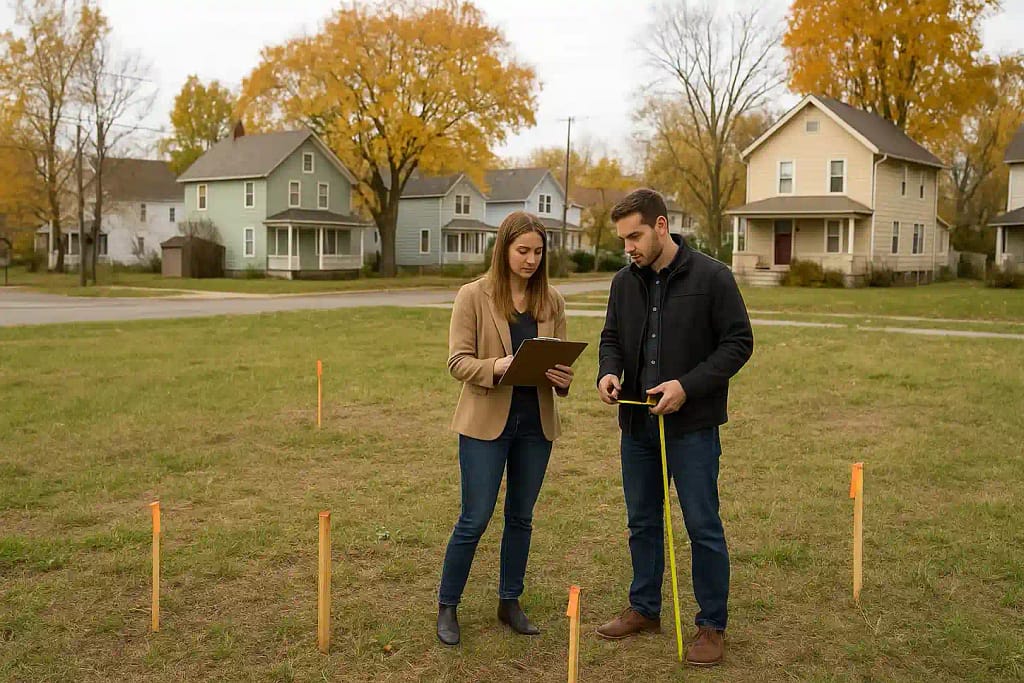
Local zoning changes are encouraging smaller dwellings
The Buffalo Green Code (Unified Development Ordinance) allows smaller residential structures, including ADUs, in many single-family districts.
Neighborhoods such as South Buffalo, Riverside, and parts of the West Side are seeing more permit activity for dwellings under 500 sq ft.
(Reference: Buffalo Green Code – Accessory Uses & Structures, Section 6.2.1)
Cost and sustainability trends are driving the shift
With the average Buffalo home now exceeding $250,000, many buyers are turning to tiny homes as a debt-free alternative.
Lower heating costs, simplified maintenance, and the appeal of energy-efficient living continue to attract remote workers and minimalists.
Solar-ready designs and modular prefab kits are also influencing the local housing conversation.
Step-by-Step Vacant Lot Purchase Checklist
Buying land in Erie County requires careful groundwork. Here’s a clear six-step process designed for Buffalo’s tiny home builders.
- Verify zoning and permitted dwelling types
Use the Erie County GIS Zoning Map to confirm that the parcel allows small-footprint residential construction. - Check whether ADUs, modular units, or mobile units are permitted.
- Some towns require a minimum square footage or prohibit secondary dwellings.
- Confirm utility access (water, sewer, power)
Many rural lots near Buffalo lack municipal utilities. - Ask sellers about existing service connections or estimated costs for extensions.
- Contact the Erie County Water Authority and National Grid for verification.
- Check soil, flood zone, and drainage reports
Order a soil test before closing. Buffalo’s proximity to Lake Erie means that some low-lying areas require flood insurance or special drainage plans. - Use the FEMA Flood Map Service Center to check if the property lies in a flood-prone area.
- Review deed restrictions and property easements
Older parcels may include shared access or easements that limit construction. - Request a title search through your attorney or the Erie County Clerk’s Office to verify boundaries and any “no-build” zones.
- Estimate total land development costs
Beyond the lot’s price, budget for surveys, permits, grading, foundation work, septic systems (if off-grid), and design fees. - Most Buffalo-area property owners spend between $20,000 and $40,000 preparing a lot for a micro home.
- Work with local inspectors early
Contact the City of Buffalo Permit & Inspection Services Department before finalizing your building plans. - Early review helps ensure compliance with zoning codes and avoids redesign delays.
Where to Find Tiny Home-Friendly Lots Near Buffalo
Buffalo’s nearby suburbs are becoming hotspots for tiny home development thanks to flexible zoning and affordable land prices.
Many towns now support smaller dwellings while offering access to reliable city utilities and transportation routes.
Popular suburbs and townships for small builds
- Lancaster and Cheektowaga: Offer moderate lot sizes with existing water and power connections.
- Grand Island: Known for progressive zoning that accommodates modular and ADU-style homes.
- Hamburg: Lakeside setting with a growing demand for sustainable housing options.
- West Seneca: Features affordable parcels within minutes of downtown Buffalo.
Finding verified land and zoning details
Before purchasing, review parcel data through the Erie County Real Property Tax Services portal.
It provides official zoning layers, property assessments, and flood zone information for all Buffalo-area lots.
(Source: Erie County Real Property Tax Services, 2025)
Understanding Lot Size Requirements in Erie County
Knowing local zoning and parcel rules helps tiny home builders plan correctly and avoid permit delays when dividing or developing residential land.
Minimum frontage, setbacks, and parcel divisions
Each town within Erie County follows its own zoning code for residential development.
In most suburban areas, the minimum lot width is between 40 and 60 feet, with front setbacks typically ranging from 20 to 25 feet.
Tiny homes must still comply with all building separation, height, and fire safety requirements.
When dividing an existing parcel, the Erie County Clerk’s Office requires a certified survey map before new tax identification numbers can be issued.
You can also verify parcel and land division details through the official Land Records Office.
Real-World Example: Turning a Vacant Lot into a Tiny Home Plot
A recent project in Tonawanda shows what the process looks like in practice:
- Lot size: 0.18 acres
- Purchase cost: $23,000
- Site prep: $9,500 (grading, trenching, survey)
- Permits and fees: $2,200
- Tiny home kit: $58,000 turnkey
Within four months, the owner secured permits and installed a solar-ready unit using local contractors.
It remains one of the few fully code-compliant micro homes in Western New York.
(Source: Erie County Land Bank 2025 Project Report)
Final Thoughts: Making Buffalo Tiny Home Living Practical
Buffalo’s focus on sustainability and affordability makes it an ideal place for small-space pioneers.
Whether you’re purchasing an infill city lot or a rural parcel, careful research and early coordination with local officials are essential.
With clear zoning maps, thorough inspections, and a well-structured checklist, you can turn a vacant lot into a comfortable, code-approved tiny home that balances practicality with purpose.
For a full overview of Buffalo’s sustainable housing and zoning trends, see the Buffalo Living and Property Trends 2026 guide.
FAQs
What is the minimum lot size for a tiny home in Buffalo?
It varies by zone, but most residential areas require at least 2,000–3,000 sq ft of land for a detached dwelling.
Always confirm with the Buffalo Zoning Department before purchase.
Are there specific neighborhoods zoned for tiny homes?
Currently, the South Buffalo, Kaisertown, and West Side neighborhoods allow smaller detached dwellings, or ADUs, under updated zoning codes.
How long does a land purchase closing take in Erie County?
Typical closing time is 30–45 days, depending on survey results, title checks, and financing approvals.
Can I install a mobile or prefab tiny home on a vacant lot in Erie County?
Yes, but only if the lot meets zoning and foundation standards. Some townships require permanent foundations, while others permit movable units with specific utility connections.
What permits do I need before building on a vacant lot?
You’ll need building, electrical, and plumbing permits from the city, plus environmental clearances if the land was previously vacant or industrial. Erie County’s online permit portal lists exact requirements.
How can I find affordable land for a tiny home near Buffalo?
Search through the Erie County GIS portal, online land auctions, and smaller suburban listings. Look for unlisted parcels under 0.25 acres within serviceable zones.
How long does closing typically take on a vacant lot purchase?
Most land closings in Erie County take between 30–45 days, depending on surveys, liens, and municipal checks.
Note:
All zoning information verified with official City of Buffalo and Erie County sources, last checked October 2025.