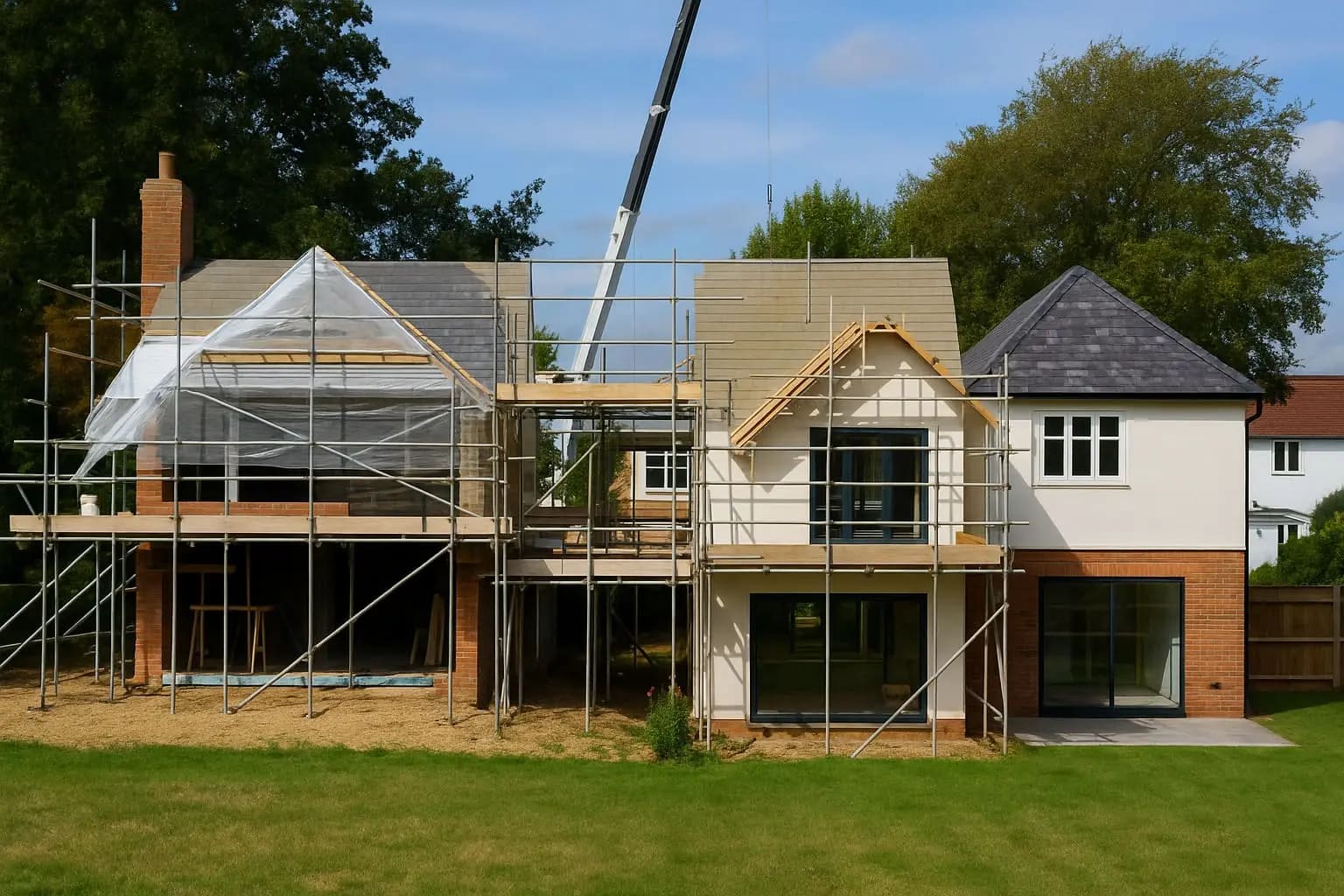
Dreaming of building your own home in the UK? Knowing the real cost to build a house in the UK in 2026 lets you set a smart budget and avoid costly surprises along the way.
From buying land to choosing materials and hiring skilled labour, every decision affects your total build price.
This updated 2026 guide breaks down average house building costs per square metre, regional price differences, and factors that affect your estimated budget, so you can plan your self-build or new home project with confidence.
If you are constructing a compact two-bedroom property or a bespoke family home, this detailed cost overview will help you estimate your expenses accurately and make smarter financial choices before you begin construction.
Average Costs of Building a New Home in the UK (2026 Update)
(House Building Costs – 2026 Update)
Understanding how much it costs to build a house in the UK is important for anyone planning a private home project or a new family home. For a detailed breakdown and expert advice, see Homebuilding’s guide on how much it costs to build a house.
The average cost to build a house varies across regions, depending on land costs, design complexity, and the quality of building materials used.
By understanding your estimated build costs early, you can set a realistic budget before buying land or hiring a project manager.
If you’re researching final house building costs in the UK, these 2026 figures provide the most recent update for both owner-builders and property developers.
These 2026 UK averages provide a useful guide, though regional factors, from the South East to Scotland, can influence your cost per square metre even more than design choices.
For most self-builders, the cost of building a house ranges from moderate to high depending on choices such as construction method (e.g., timber frame or brick-and-block), the size of the new home, and desired finish level.
If you plan to build a 2-bedroom house or a 4-bedroom house, these early cost estimates help ensure your own home stays within your financial comfort zone.
It’s also worth considering professional fees and labour costs in your cost breakdown. These often represent a large portion of the estimated cost, alongside building materials and site preparation expenses.
Consulting professionals such as a structural engineer or architect early in the build process means you can steer clear of extra costs later on.
Cost per Square Metre and Square Foot
When calculating the average cost of building a new house, many people use the cost per square metre (or square meter) as a simple rule of thumb.
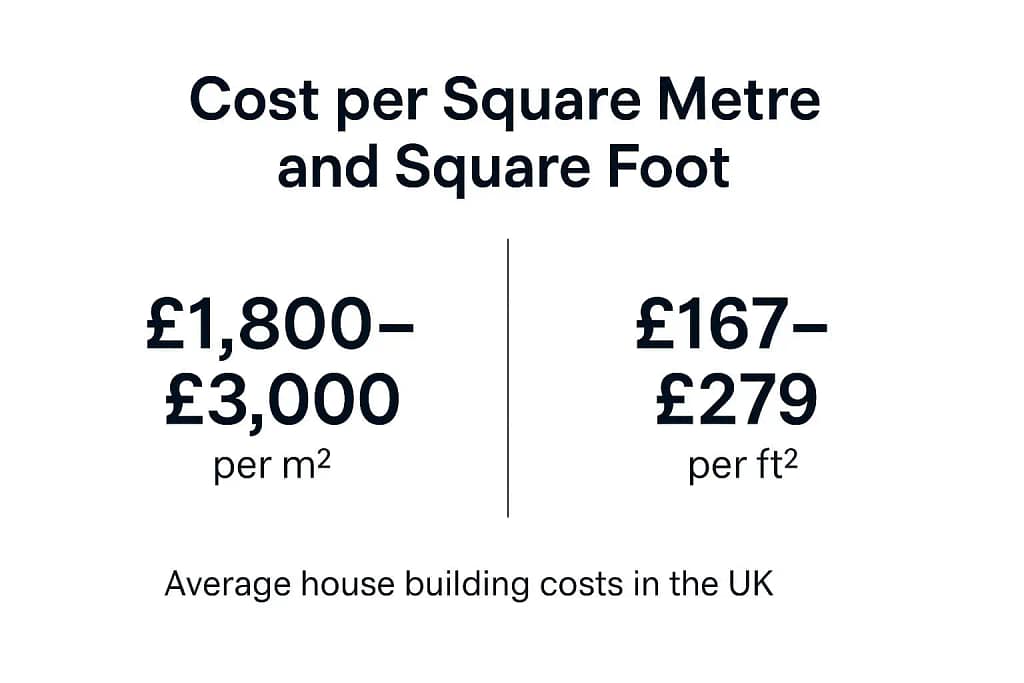
Across the UK, average build costs usually range between £1,800 and £3,000 per square metre, depending on region and specification level (Source: Checkatrade build-cost guide).
These cost estimates are broadly consistent with the benchmark data published by RICS in its Cost Analysis & Benchmarking Report 2024.
In Homebuilding trends, this figure reflects standard construction works for a modern new build home, excluding any hidden costs such as utility connections or planning fees.
For comparison, this equals approximately £167 to £279 per square foot.
But regional variations matter like the South East of England tends to have higher labour costs and material costs due to demand and logistics.
If you’re considering a timber frame option, you might achieve both cost savings and faster completion times versus traditional brick builds.
However, keep in mind that Architectural Design choices, such as complex roof structures or external cladding, will raise the complete cost.
Most house-builders use these estimates as a starting point, factoring in costs such as land purchase, legal fees, and professional services.
Setting aside a 10–15% contingency fund is the best way to protect yourself from unexpected costs during the construction process.
Quick Insight:
In 2026, the typical cost to build a house in the UK ranges from £1,800 to £3,000 per m², or £167 to £279 per ft², depending on region, specification, and design complexity.
Example Build Costs by House Size (2-Bed, 3-Bed, 4-Bed)
Here’s what you can expect to pay based on house size:
- 2 bedroom house: £155,000 – £260,000 using mid-range finishes and standard Architectural Design.
- 3-bedroom house: £240,000 – £400,000 depending on build quality, region, and chosen materials.
- 4-bedroom house: £310,000 – £520,000+, reflecting extra floor space, more complex roof structure, and larger external walls.
These figures align with PropertyData’s analysis of UK build projects.
Each bedroom house type comes with its own challenges and pricing.
To build a 4-bedroom house, you’ll need to factor in Specialist fees and allowances for premium or high-quality finishes such as underfloor heating or an advanced heating setup.
A loft conversion or bespoke design can also increase the total build cost, especially for a new property that requires specific permissions.
To give a clearer regional perspective, here’s how the cost of building a house compares across key UK areas.
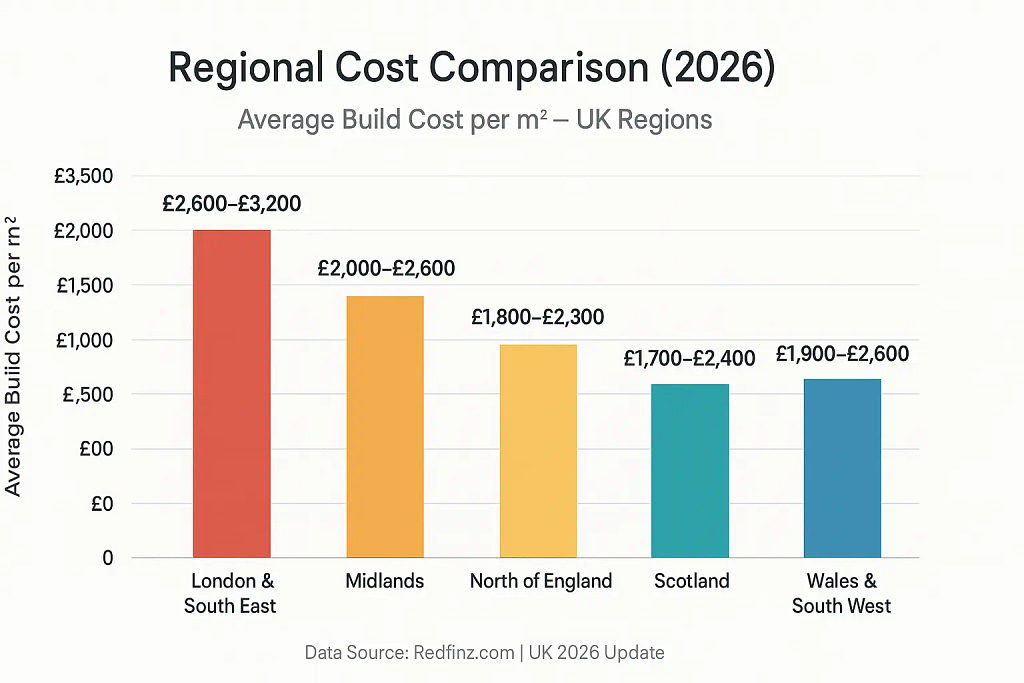
Regional Cost Comparison (2026)
Building a new home in the UK can vary significantly depending on the region.
Costs are highest in the premium-priced South East and London, while more affordable areas include Scotland, Wales, and the North of England.
Regional factors like land prices, labour rates, and material availability have a big effect on the cost per square metre for a new build.
The South East consistently records the highest average build costs.
On top of that regions such as the North East, Wales, and Scotland remain far more cost-effective for owner-builders and those seeking larger plots of land.
Below is a 2026 snapshot of average regional house building costs across the UK:
| Region | Average Build Cost (per m²) | Typical 3–4 Bedroom House Cost | Notes |
| London & South East | £2,600 – £3,200 | £380,000 – £520,000+ | High land and labour costs, premium professional fees |
| Midlands | £2,000 – £2,600 | £290,000 – £410,000 | Balanced material and labour pricing |
| North of England | £1,800 – £2,300 | £250,000 – £360,000 | Lower total build cost but fewer rural contractors |
| Scotland | £1,700 – £2,400 | £240,000 – £350,000 | Excellent value for self-build projects and rural plots |
| Wales & South West | £1,900 – £2,600 | £270,000 – £400,000 | Moderate construction and professional service expenses |
These figures reflect 2026 national averages, showing how London’s urban build costs can exceed £3,000 per m², whereas rural Scotland or northern regions offer builds closer to £1,700 per m².
Such regional cost differences also affect your final project plan. In higher-cost areas, hiring a project manager experienced in local authority planning fees, stamp duty, and contractor rates is invaluable.
Meanwhile, regions like the Midlands or North tend to offer greater flexibility and lower pricing on materials and skilled labour.
- Quick Insight:
In 2026, the average cost to build a 3–4-bedroom home in the UK typically ranges between £240,000 and £520,000, depending on region, build method, and design specification.
At a Glance — UK House Building Costs (2026)
- Average per m²: £1,950 – £3,200
- Average total: £180K – £520K
- Most expensive region: South East
- Most affordable: Scotland & North
Key Takeaway: The South East remains the UK’s most expensive region to build in 2026, while Scotland and Northern England offer the best value for self-build projects.
Key Factors That Affect the Cost to Build a House in the UK
Building a house in the UK involves several cost components beyond just bricks and mortar.
Understanding these major factors helps homeowners and home builders create a clear, realistic budget before starting their project.
From land purchase to architectural design and professional management, each element plays a crucial role in your expected build cost.
The following cost factors, land, design, and Consultant fees, shape your final house building costs in the UK.
Land Prices and Site Preparation Costs
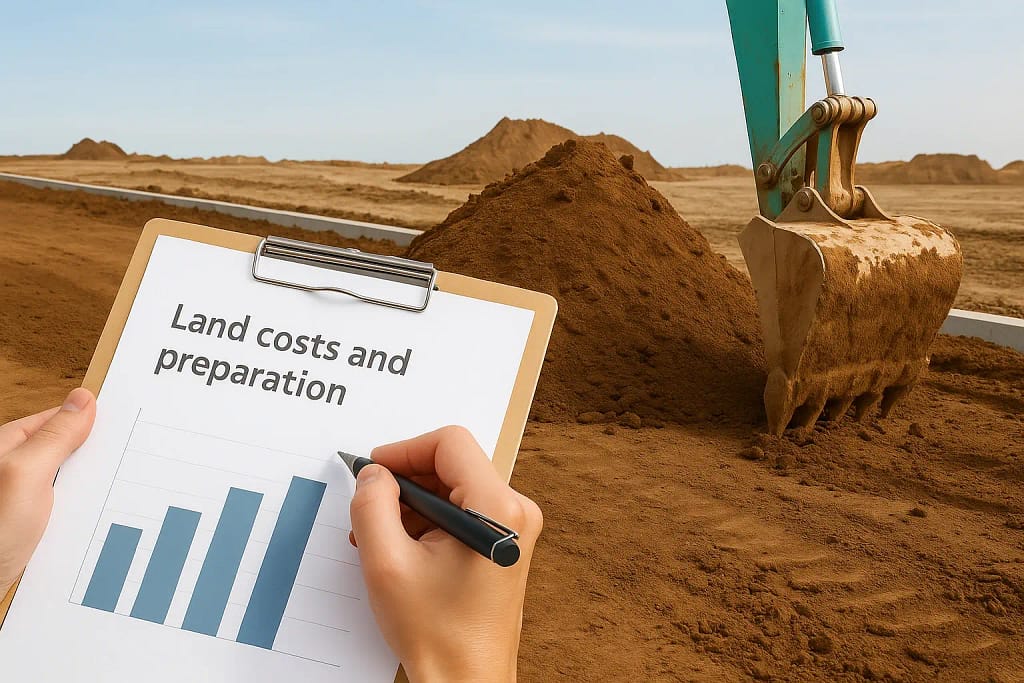
The price of land is one of the largest variables affecting the home construction cost in the UK.
In regions such as London and the South East, plots can cost several times more than rural areas in the North or Scotland.
Choosing the right location can dramatically impact your total project budget.
Once the land is secured, site preparation becomes essential. Expenses such as soil testing, site surveys, and ground levelling ensure that your plot is ready for construction.
Costs may also include clearing vegetation, setting up drainage, and addressing access or foundation issues.
Sites that require heavy groundwork or remediation can add thousands to your overall build cost per square metre.
Before construction begins, you’ll also need to factor in planning permission fees and local authority charges.
These vary across councils but typically range from a few hundred to several thousand pounds, depending on your project’s size and complexity.
Preparing for these expenses early prevents budget overruns and delays during your self-build project.
Design Complexity and Architectural Services
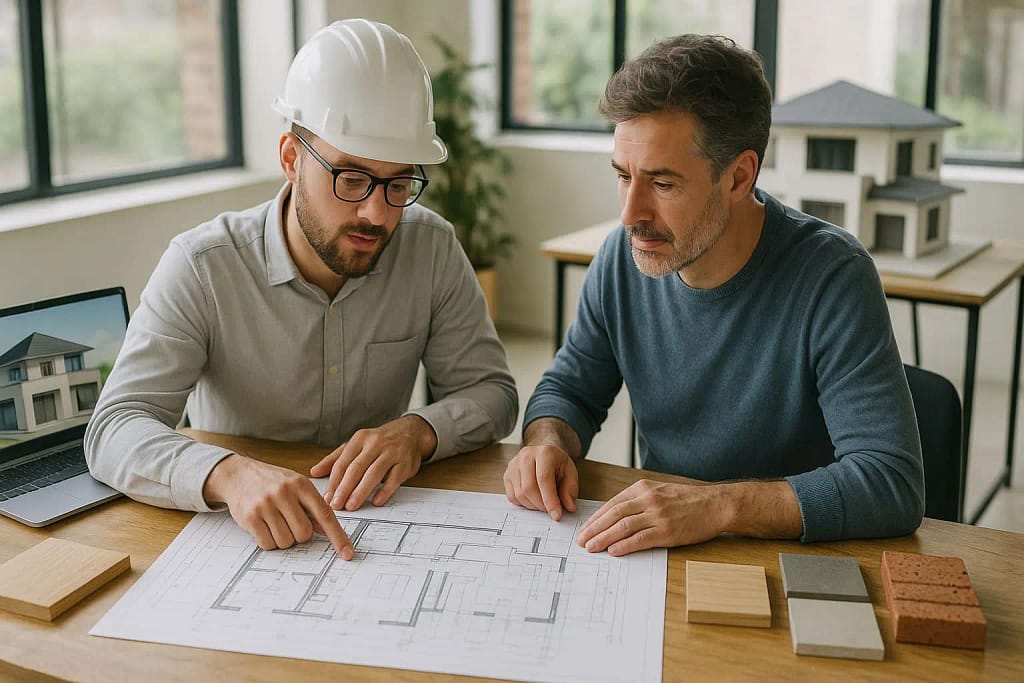
Your home’s architectural design significantly influences its final price.
A simple, compact design with a standard layout and roof structure generally costs less per square metre than a complex or bespoke layout featuring unique angles, double-height spaces, or luxury finishes.
The type of materials used also affects the average cost of construction.
For example, a timber frame home may be quicker and slightly cheaper to build compared to a traditional brick-and-block house, though this depends on design and regional labour costs.
Hiring an architect to create detailed drawings and manage building regulations approval keeps your project complies with safety and performance standards.
Because of this architectural fees can range from 5% to 10% of your total budget, professional design often results in Enduring value through improved efficiency and reduced rework.
If you aim to build a modern, energy-efficient new home, investing in a thoughtful design pays off in both comfort and energy savings.
Balancing creativity with practicality helps keep your total expenditure within a manageable range that says achieving a home that fits your vision.
If you’re considering expanding your existing home, our 20×20 Room Addition Cost Guide explains typical expenses and planning tips for new builds and extensions.
- Quick Insight: Land and design decisions often account for over half of your total build cost — plan these early for best savings.
Professional Fees and Project Management
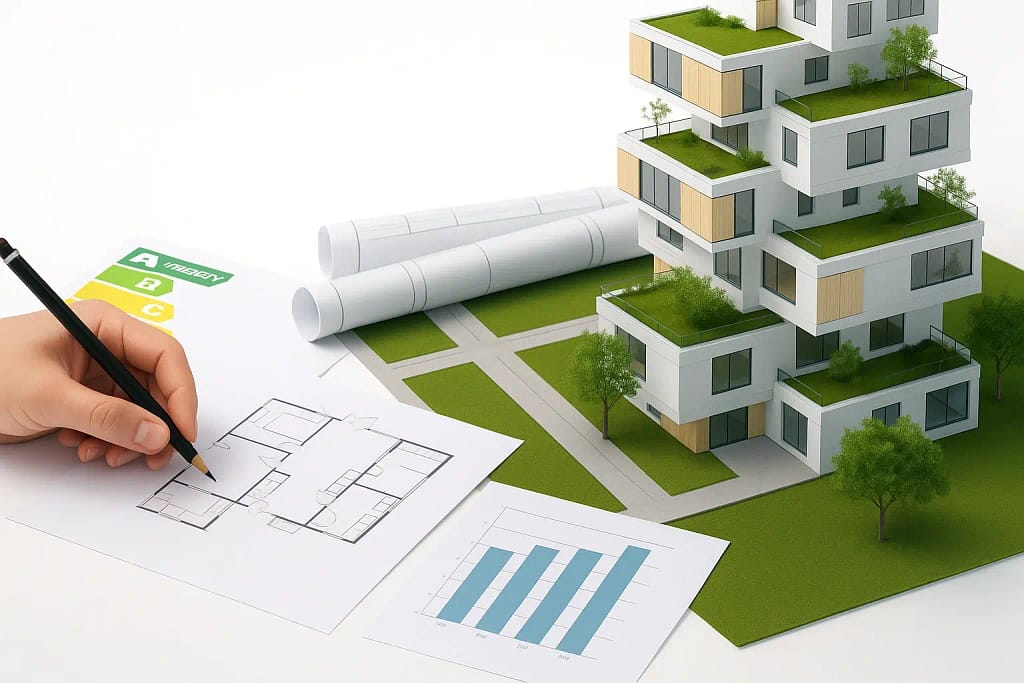
Beyond land and design, Consultant charges and management services represent a key portion of the total cost to build a house in the UK.
These include fees for architects, structural engineers, surveyors, and project managers—all of whom ensure that construction meets UK regulations and quality standards.
A qualified project manager typically oversees the timeline, coordinates trades, and controls costs during the build.
Because of this, hiring one can increase upfront spending, it can save money long term by reducing delays, waste, and miscommunication.
For smaller independent builds, some homeowners choose to manage the process themselves, provided they have enough time and construction knowledge.
Other associated professional fees include legal costs for land purchase, insurance for new builds, and structural assessments.
Together, these services usually account for about 8–15% of the total construction budget, depending on project complexity.
Being transparent about professional costs early in the planning stage gives you a realistic understanding of your financial obligations, and ensures your new home project runs smoothly from design to completion.
- Quick Insight: Material inflation and skilled labour shortages remain the main cost drivers for 2026, particularly in urban areas.
Quick Summary: Typical Build Costs in 2026
Most people who build homes in the UK can expect an average build cost between £180,000 and £520,000 in 2026.
The average cost of building a new house in the UK varies based on regional variations, construction method, and design complexity, but the table below provides a practical cost breakdown for different house sizes and areas.
| Category | Estimated Range |
| Average cost per m² | £1,950 – £3,200 |
| Average cost per ft² | £181 – £297 |
| 2-bedroom house | £155,000 – £260,000 |
| 3-bedroom house | £240,000 – £400,000 |
| 4-bedroom house | £310,000 – £520,000+ |
| Regional average (North–South) | £1,800 – £3,200 per m² |
| Typical Total Build Cost (including professional fees & labour) | £180,000 – £520,000 |
| Typical Cost Breakdown | Labour ≈ 40% • Materials ≈ 35% • Design & admin ≈ 10% |
These figures serve as a realistic starting point for anyone planning a self-build project or reviewing Self Build Costs for a new build home.
Remember to include planning fees, legal fees, and additional costs like utility connections or external cladding when calculating your total cost.
Your project manager or main contractor can refine this cost estimate based on local authority requirements, land purchase, and regional building materials availability.
Factoring in a contingency fund of 10–15% remains the best way to protect your total budget from unforeseen construction works or hidden costs during the build process.
Material & Labour Cost Breakdown (2026)
Breaking down the costs of constructing a home allows you to understand where your money is going and makes it easier to plan your budget more effectively.
The construction budget includes expenses related to building materials, labour, and several additional costs that are often overlooked.
By analysing these components, you can ensure your new home project stays within budget and avoid unexpected financial surprises.

Building Materials and Labour Costs
One of the largest expenses when building a new house is the cost of materials. Material costs can vary greatly depending on the type, quality, and quantity of materials used.
For example, timber frame construction is often seen as a cost-effective method compared to traditional brick and block builds.
Also, items like roof tiles, external cladding, and high-quality finishes can significantly impact your budget.
Choosing materials that balance quality and affordability is the best way to optimise your spend.
External walls, roof structure, and foundations are critical components that account for a significant portion of material costs.
Decisions about the type of materials used for these elements can affect both the upfront cost and the long-term durability of your home.
High-quality materials might increase initial expenses, but they can reduce long-term maintenance costs, making them a worthwhile investment.
Labour costs also form a considerable part of the total UK build price.
Hiring a main contractor to manage the construction process is standard practice for many owner-builders, though this comes at a premium.
Skilled workers such as bricklayers, electricians, and plumbers also add to the labour costs, which vary based on their expertise and the complexity of the project.
Regional variations play a role here, as labour costs are often higher in urban areas or regions like the South East.
- Key Takeaway: Sustainable materials may cost more initially but improve efficiency and resale value.
Additional Costs to Budget For
Beyond materials and labour, there are several additional costs that should be accounted for when planning your house build.
Utility connections are one such expense, covering the installation of electricity, water, and gas supplies to your self-built property.
These costs can vary depending on the proximity of your plot of land to existing infrastructure.
Climate control systems are another significant consideration. Installing an efficient heating setup, such as underfloor heating, can initially be more expensive than traditional radiators but offers long-term energy savings.
Similarly, insulation quality and modern heating solutions can contribute to both comfort and cost efficiency in your new property.
If you’re planning to add extra features like a house extension or loft conversion in the future, it’s important to include these in your initial budget.
Extensions and loft conversions can improve the functionality and market value of your home but come with their own set of costs for materials and labour.
Such an extension cost depends on factors such as size, design, and the type of external walls used.
Hidden costs are another area that self-builders should be aware of. Expenses such as stamp duty land tax, land tax, and legal fees associated with land purchase can quickly add up.
These costs are often overlooked during the initial planning phase but are crucial for accurately estimating your total budget.
In conclusion, a detailed cost breakdown helps a lot for managing your house building costs effectively.
From building materials and labour to additional and hidden costs, understanding these components ensures you’re prepared for every aspect of the build process.
By carefully budgeting for each category, you’ll be better equipped to create your dream family home that said staying financially secure.
How to Estimate Self-Build Project Costs
For home builders, estimating the costs of an independent house build is a critical step in ensuring the project is financially viable and well-planned.
From finding the right plot of land to selecting the best construction method, there are key factors to consider when determining your total build cost.
Also, incorporating cost-saving tips and preparing for unexpected expenses will help you stay within budget for instance creating your dream home.

Key Factors for Self-Builders
The first step in estimating self-build costs is finding a suitable plot of land.
Land prices vary greatly by location, with urban areas and high-demand regions such as the South East typically costing more than rural sites.
Conducting a site survey and preparing the land for construction are additional costs that home builders should include in their budget.
These steps ensure that the land is ready for the build process and meets local authority requirements.
The construction method you choose will also play a significant role in the cost of your personal construction.
Timber frame construction is a popular choice among people building their own homes due to its speed of assembly and potential cost savings.
However, traditional brick and block methods remain a reliable option for those prioritising long-term durability and market value.
Each method has its own material costs and labour requirements, so carefully consider which option aligns with your total budget and design goals.
Another key factor is securing a self-build mortgage, which is specifically designed for projects where payments are made in stages as the build progresses.
This type of mortgage provides flexibility but may require a larger deposit compared to a standard mortgage.
Also, self-build insurance is essential to cover risks such as damage to the site, theft of building materials, or accidents during construction works.
These financial considerations should be accounted for early in the planning phase.
Cost-Saving Tips for Self-Builders
For self-builders looking to save money, acting as your own project manager can significantly reduce Specialist charges.
That said this requires a considerable investment of time and organisational skills, it allows you to oversee the build process directly and avoid the additional cost of hiring a project manager.
However, ensure that you have a strong understanding of the construction process and the ability to coordinate contractors effectively.
Another cost-saving strategy is to choose high-quality yet affordable building materials.
Such as opting for a moderately priced timber frame or selecting durable but cost-effective roof tiles can help lower expenses without compromising on quality.
Researching suppliers and comparing prices will enable you to find the best deals on materials for your project.
Using a contingency fund is also crucial for self-builders. This fund acts as a financial safety net for unexpected expenses, such as increases in material costs or unforeseen issues during site preparation.
A common rule of thumb is to set aside at least 10% of your total budget as a contingency fund to handle these situations without jeopardising the completion of your new property.
Incorporating energy-efficient features, such as underfloor heating and modern insulation, can also result in long-term savings.
Because these systems may have higher upfront costs, they reduce energy consumption and lower heating bills over time, making them a smart investment for your family home.
In summary, estimating personal construction project costs involves considering key factors like land costs, construction methods, and financing options that are said to incorporate strategies to save money.
With careful planning and the right approach, people building their own homes can create a high-quality new build home that meets their needs and stays within budget.
- Quick Insight: Managing your own self-build project can reduce costs by 10–15% if managed efficiently.
Long-Term Costs and Value of a New Property
Because the initial costs of building a house are significant, it’s equally important to consider the ongoing costs and value of your new property.
Factors such as energy efficiency, heating systems, and market value play a crucial role in the expected outlay financial picture.
Making thoughtful decisions during the build process can lead to reduced running costs and a higher resale value, making your home a sound long-term investment.

Energy Efficiency and Heating Systems
Energy efficiency is a critical consideration for modern homes, as it not only reduces the environmental impact but also significantly lowers utility bills over time.
Installing an efficient heating system, such as underfloor heating, is a popular choice for self-builders looking to improve energy performance.
That said underfloor heating may have a higher upfront cost compared to traditional radiators, it distributes heat evenly, resulting in better comfort and energy savings in the long term.
Modern insulation is another key component of energy-efficient homes.
High-quality insulation in external walls, roofs, and floors helps maintain a consistent indoor temperature, reducing the reliance on heating systems during colder months.
Similarly, double or triple-glazed windows provide excellent thermal performance and can further reduce heating costs.
These features may add to the cost of house construction initially but offer substantial savings over the years.
Installing renewable energy systems, such as solar panels, can also enhance the energy efficiency of your property.
On top of that the installation costs for solar panels can be significant, government incentives and energy savings can offset these expenses over time.
Additionally, renewable energy systems can increase the market value of your home, making them a worthwhile investment for people building their own homes.
Market Value and Resale Potential
The market value of your new build home is an important consideration, particularly if you plan to sell the property in the future.
Features like high-quality finishes, modern heating systems, and energy-efficient designs can boost the resale potential of your house.
Buyers are increasingly prioritising properties with low running costs and sustainable features, which makes these elements valuable selling points.
Location is another significant factor in determining the market value of your home.
Properties in desirable areas, such as those with good transport links, schools, or access to amenities, tend to command higher prices.
If you’re building in a high-demand region, such as the South East, the resale value of your property is likely to increase over time, providing a strong return on investment.
Extensions and loft conversions can also enhance the market value of your home.
Adding extra living space, such as a larger living room or additional bedrooms, makes the property more appealing to potential buyers.
Such as a well-planned loft conversion can transform unused space into a functional bedroom or office, significantly increasing the expected outlay value of the property.
On top of that market trends can fluctuate, building a high-quality home with modern features makes sure that it remains competitive in the property market.
Even if you don’t plan to sell, focusing on features that add value keeps your home serving as a solid long-term investment for your family.
In conclusion, the lifetime expenses and value of a new property are critical factors to consider when planning your house build.
By investing in energy efficiency, modern heating systems, and high-quality features, you can reduce running costs and enhance the market value of your home.
These considerations not only make your property more sustainable but also ensure it remains a valuable asset for years to come.
- Key Takeaway: Energy-efficient features and location quality remain key drivers of resale value in 2026.
Building a Family Home: Where to Start
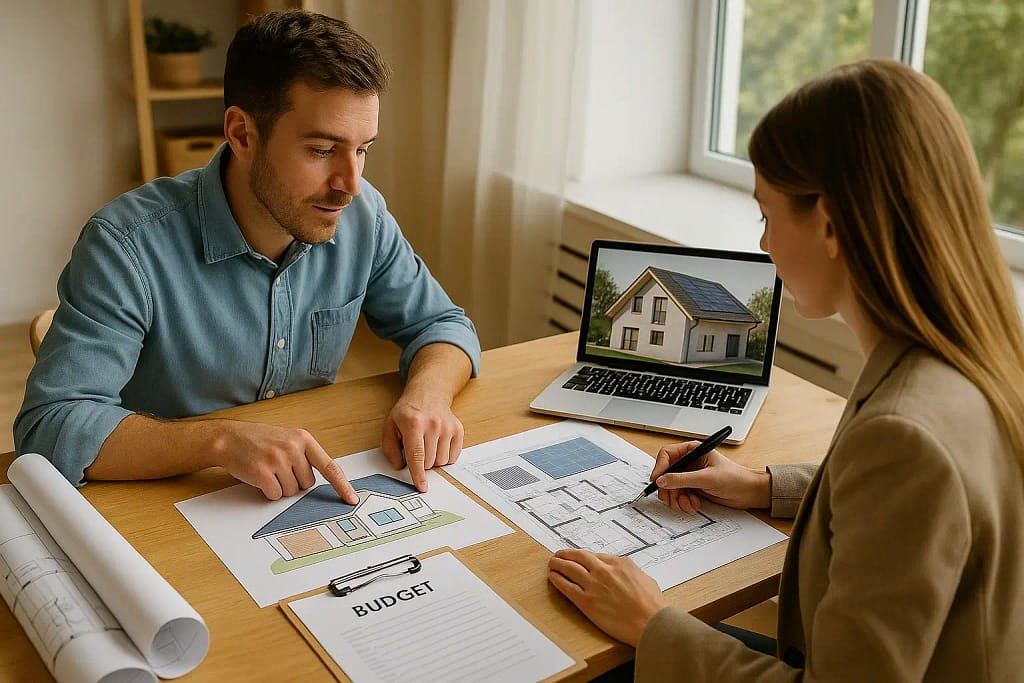
Building a family home is one of the most rewarding yet challenging projects you can undertake.
Success begins with careful planning, a realistic total budget, and open communication with your team.
Your budget should account not only for core construction elements like materials and labour but also for planning permission, legal fees, and utility connections.
Many self-builders overlook hidden costs such as stamp duty, surveys, or land preparation, so setting aside a contingency fund of 10–15% helps prevent financial strain later in the build.
Design choices also play a major role in complete cost and Lasting property value.
Because of this simple layouts are more affordable, features such as open-plan living, energy-efficient heating, or bespoke architectural details can enhance comfort and resale potential.
Balancing ambition with affordability, and maintaining consistent communication with your architect, project manager, and structural engineer makes sure the build stays on schedule, within budget, and aligned with your family’s needs.
With smart planning and clear coordination, your new home will be both practical and enduring.
For more detailed insights, see our guide on UK Planning Permission Costs and Requirements (2026).
Here are the most common questions homeowners ask about building a house in 2026:
FAQs for UK House Building Costs 2026
Q 1. What factors could make house building more expensive in 2026?
A: Rising material costs, higher interest rates, and stricter building regulations, particularly around energy efficiency and insulation standards, could push construction expenses higher in 2026.
In addition, shortages of skilled labour in busy regions such as London and the South East may further increase overall project costs.
Q 2. Are there government incentives for new home builds in the UK?
A: Yes, people building their own homes and developers may qualify for VAT refunds on labour and materials under HMRC’s Self-Build scheme.
In some regions, local councils also offer Green Home Grants or support for sustainable housing projects, helping reduce total build expenses.
Q 3. How long does it take to build a new house in the UK?
A: The average timeline to build a new home in the UK is 7 to 12 months, depending on design complexity, weather conditions, and contractor availability.
Modular or timber frame builds can often be completed faster—sometimes in as little as 4 to 6 months.
Q 4. Does planning permission affect total build cost?
A: Yes, planning permission can significantly impact costs. Beyond the application fees, adjustments required by local authorities—such as drainage changes, parking spaces, or heritage compliance—can increase your total budget.
Always confirm requirements with your local planning authority before starting construction.
Q 5. What is the most cost-effective construction method in the UK?
A: Timber frame construction is generally one of the most cost-effective options, offering faster build times and lower labour costs compared to traditional brick-and-block.
It’s also highly energy efficient, helping homeowners save on heating bills over time.
Q 6. How do energy-efficient standards affect new build costs in 2026?
A: With the UK’s Future Homes Standard set to tighten regulations by 2026, builders must include higher insulation levels, better windows, and low-carbon heating systems.
These add upfront costs but deliver long-term energy savings and boost property value.
Q 7. Can I manage my own self-build project to save money?
A: Yes,many UK homeowners choose to act as their own project manager to reduce labour and contractor fees.
However, it requires strong organisational skills, familiarity with building regulations, and reliable trade contacts to ensure the project stays on time and within budget.
For more property, home improvement and real estate insights, explore our full collection at Redfinz.com.
Sources:
• RICS: Cost Analysis & Benchmarking (2024)
• Checkatrade: “Average build cost per m²” (Dec 2024)
• PropertyData: “Cost to build a property in the UK” (2025)
• Homebuilding & Renovating: “How much does it cost to build a house?” (Jan 2025)