Why nhentai.met Can Be Harmful for Teens: What Parents and Students Should Know
Understanding nhentai.met and Its Impact on Teenagers
In today’s digital world, websites like nhentai.met and similar platforms such as nhentai.het are becoming easier to find. These sites often contain mature, graphic content, even though many teens come across them unintentionally.
As students regularly use online platforms like uti blackboard or visit learning resources like quotela.net, it’s important to teach them how to recognize safe vs. unsafe digital spaces.
This article helps parents, teachers, and students understand the risks and encourages healthy online habits.
Why Sites Like nhentai.met and nhentai.het Can Be Harmful
These websites may seem artistic or part of anime culture, but they are not made for children or teens. They include adult content that can negatively affect growing minds.
Here’s why they are a concern:
They show unrealistic stories about relationships that can confuse teens.
They can lead to excessive screen time, reducing focus on school or hobbies.
Unlike helpful platforms like uti blackboard or quotela.net, these sites lack proper age control and safety features.
Sites like nhentai.het may appear similar to regular anime platforms but contain very different, mature material.
Mental and Emotional Side Effects
Viewing inappropriate content at a young age can affect how teens feel and behave. Even if the site looks harmless, it can slowly change their habits.
Some common effects include:
Losing interest in helpful tools like quotela.net, uti blackboard, or language platforms like cevurı
Feeling anxious or shy in real-life situations
Becoming addicted to screens and ignoring family or friends
Mixing up online fantasy with real-world values
Safe tools like uti blackboard help teens stay organized, and cevurı lets them explore new languages in a positive way.
What Parents and Educators Should Do
Helping teens make smart choices online is important. It’s best to guide them with kindness and facts, not fear.
Here’s what adults can do:
Use helpful resources like quotela.net for schoolwork and research
Teach safe browsing habits and how to avoid risky sites like nhentai.het
Promote safe digital tools such as uti blackboard for school, and cevurı for learning new languages
Install content filters and monitor screen time in a supportive way
When teens understand why something is unsafe, they are more likely to avoid it on their own.
Healthy Online Alternatives for Teens
There are many fun, safe, and creative ways for teens to enjoy the internet. Instead of visiting risky websites, encourage activities that support learning and growth:
Drawing anime or writing stories on kid-friendly forums
Watching age-appropriate shows with family
Using quotela.net for homework help and study tips
Exploring world cultures or languages through cevurı
Checking classwork or projects through uti blackboard
These activities turn screen time into something productive and inspiring.
Final Thoughts: Keeping Teens Safe from Risky Websites
Websites like nhentai.met and nhentai.het may seem interesting to curious teens, but they often contain content that is confusing, inappropriate, and not suitable for their age.
By guiding young users toward safe platforms like quotela.net, uti blackboard, and cevurı, we can help them develop smart, responsible digital habits that support their growth and well-being. Encouraging digital confidence today will protect their mental health, focus, and relationships in the long run. For more insights on healthy screen habits and balanced living, explore our post onJami Gertz’s Luxury Lifestyle — and discover how mindful choices, both online and offline, contribute to a better lifestyle.
FAQ
What is nhentai.met, and why is it harmful?
Answer: Nhentai.met is a website that shares adult anime content. It’s unsafe for teens because it shows confusing and inappropriate material.
Can teens accidentally visit sites like nhentai.het?
Answer: Yes. Many sites like nhentai.het don’t have proper age checks, so teens might find them while searching for anime or comics online.
How can parents protect their kids from unsafe websites?
Answer: Parents can use safe browsing tools, talk openly with their kids, and recommend learning platforms like uti blackboard and quotela.net.
Are there better online options than nhentai.met for teens?
Answer: Yes. Teens can use safe and fun websites like quotela.net for learning, or cevurı to explore languages and new cultures.
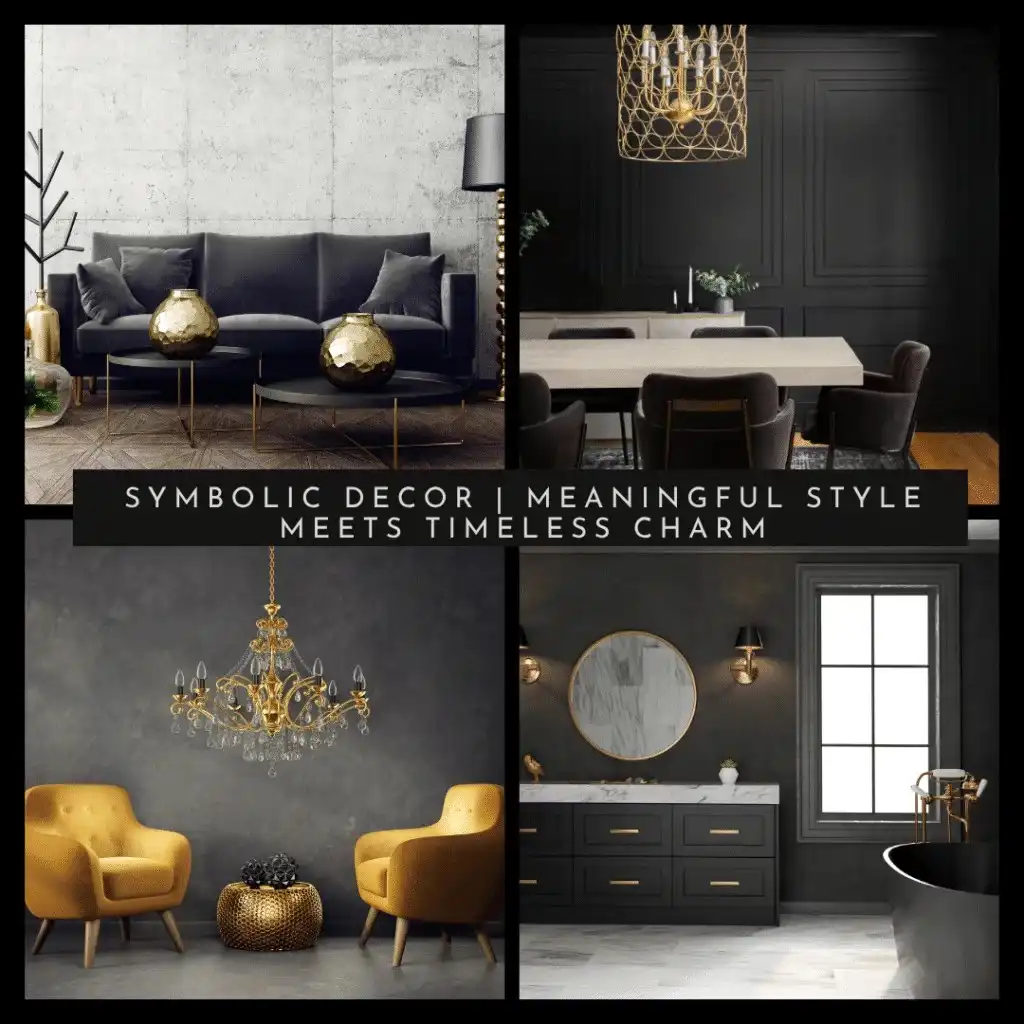
Our environment significantly influences our perceptions more than we often realize. The symbolic decor doesn’t only look good, it’s also an expression of emotion. From Zen serenity to coastal symbols, every piece speaks about a deeper meaning. This article delved into the ways that your decor choices reflect your values and represent values that are past trends. The focus isn’t on decoration just in the name of aesthetics, but rather on creating a multi-layered home that is filled with thoughtful symbolism that is a reflection of the residents who reside there.
The Psychology Behind Symbolic Decor
The symbolic decor of a room tells a story. It is a way to bring personal beliefs or aspirations, and customs to a space. Contrary to common walls, meaningful wall decor is a part of the person who lives in it. Images like those of the Lotus symbolize resilience in the face of hardship. The Buddha decor is a symbol of calm and mindfulness. Each item is a visual signal that assists in strengthening and grounding.
A symbol is not only an aesthetic decision, it’s a visual and emotional mantra. It defines the tone of a room, providing security and a sense of stability in the hectic pace of routine. As time passes, these images are silent reminders of the importance, self-reflection, and clarity.
Exploring Spiritual and Metaphysical Wall Art
Spirituality is reflected in the walls of homes through the use of symbols and icons. Spiritual wall decor usually contains elements like Yin Yang, Tree of Life, and Meditation Buddha, each symbolizing harmony, unity, and peace.
They do more than make empty areas. They bring energy, strengthen intentions, and give the slightest hint of reflection. If you live in a home that values harmonious living, metaphysical wall art is more than just a fashion statement; it is a purpose. They can alter not only the look of a wall, but also the mentality of the people who work every day.
Cultural Motifs and Global Symbolism in Home Decor
Incorporating global symbols, you can create a sense of diversity and storytelling. Moroccan patterns provide artistry and tradition. They also have a rich history. Pixiu and Chinese Zodiac add layers of Eastern philosophical concepts to the design options you make. Every element tells a story that is rooted in its source, adding authenticity to the environment.
French elegantity is reflected in French elegance is reflected in fleur-de-lis, and coastal areas are alive with nautical symbols like seashells, anchors, and anchors to anchor your designs in the place and tradition. Cultural motifs can enrich the story of your interior and provide different textures, colors, and concepts that are reflective of a global perspective.
The Rise of Inspirational and Mindful Interiors
Modern interiors seek significance. House owners are gravitating towards designs that promote peace in their minds, clarity of thought, and a sense of purpose. You can think of Hamsa symbols as protection and for protection, or the Koi Fish, which symbolizes determination.
They’re not just trends, they’re real principles made manifest. With the increasing noise, houses become a sanctuary. A symbolic design can help anchor the calm by providing images of the things that matter most. Simple touches like a candleholder with an inscription of a sacred theme or a mirror that has engraved affirmations are a great way to increase mindfulness at home.
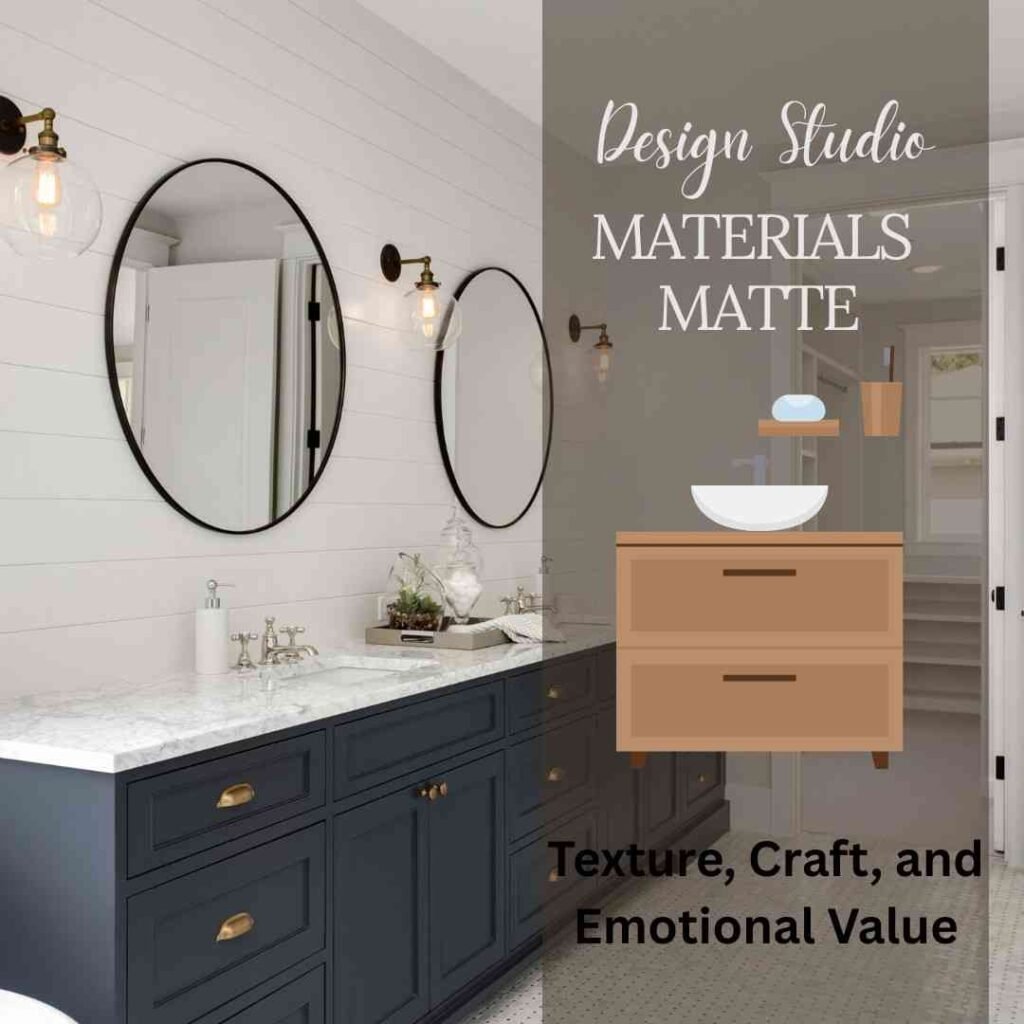
Materials Matter: Texture, Craft, and Emotional Value
Beyond symbolism, the materials we use have weight. The handcrafted objects evoke love. Natural textures represent the grounding. Wood carved with intricate motifs, or textiles that display sacred geometry. Every piece is a source of emotional depth.
Making sure you choose pieces that have an underlying story and an intention can enhance your living area. The pieces speak not only about the taste of food, but the significance of that flavor. It shows appreciation for the craft and an intentional decision to live in a space that is infused with designs.
When Symbolic Decor Meets Minimalism
Minimalism and symbolism don’t have to be in opposition. They enhance their respective strengths. One Lotus painting within a clear space is a magnet for attention and emotions. If done with care, the symbolic décor within minimalist settings can become the central point of elegance and soul.
Utilize the restraint. Select one or two works that have deep significance. They should be able to speak clearly in the background silence. This minimalist design allows for the symbolic meaning to be more prominently heard, making it the emotional and visual centerpiece of the space.
Symbolic Decor: The Style That Tells a Story
The symbolic decor doesn’t just focus on aesthetics. It conveys meaning, messages, and a rich historical context. It connects us with deeper cultural values, beliefs, and feelings. If you’re designing a contemporary home or an old-fashioned space, symbols like Hamsa, the Lotus, Tree of Life, or Hamsa make rooms into narratives and corners to become conversations.
Each design option is a significant one that is grounded in significance. The Buddha Wall Decor can symbolize peace and spirituality, whereas the classic Yin Yang represents the harmony of forces, dark and gentle, feminine and masculine. It is the Fleur-de-Lis is a beautiful symbol of European history, giving a feeling of class and elegance to your interiors.
The significance of decor in terms of symbolism is more than just beauty. It provides your home with a soul. It helps make the space thoughtful, awe-inspiring, and resonant. The choice of a symbolic décor allows your home to create the story of your own, one that’s beautiful and personal.
The Emotional Power Behind Meaningful Wall Art
The symbolic wall art can create an emotional atmosphere inside your room. From the serene Lotus representing rebirth, to that of the Pixiu, which is the protector of wealth, each work is a symbol of a reason. They bring purpose and awareness to the environment.
Wall décor that is infused with significance could alter the vibe of a space. It helps to cultivate mindfulness, encourages reflection, and can add an emotional dimension to what might otherwise be a wall that is empty wall. The Meditation Buddha for inner peace not only serves as an aesthetic centerpiece, but it also becomes an edifice of mental clarity.
Pieces of decor that convey symbolic meaning serve as silent affirmations. They bring you back to your values, goals, and convictions with every glance. In introducing spiritual wall decor and metaphysical wall art, it isn’t just creating style but also enriching the spiritual atmosphere within your living space.
Popular Symbols in Contemporary Interiors
Modern symbolic décor features:
Lotus Flower is a Transformation and Rebirth
Tree of Life Connection and Grounding
Hamsa Hand Hand safety and good energy
Fleur-de-lis Fleur-de-lis French history and purity
Anchor Stability and Safety Harbors
They are versatile; they can be a perfect balance of shape and function within your living spaces. They are able to be incorporated into massive statement pieces as well as in small accents ranging from wall prints to ceramics, textiles, and more.
Styling Symbolic Decor with Purpose
The design isn’t only how you view things, but also the way you experience them. Put your symbols within areas where the meaning connects with you. An example is a Buddha sitting in a corner of meditation, or the anchor within a reading area, or an oversized pineapple in the dining room for a sense of hospitality.
Match the symbol with your mood. Imagine it as a storytelling visual to complement your life. Your entryway could even be an evocative welcome with patterns that symbolize the warmth of openness, warmth, or even security.
FAQs
What is symbolic decor? Design that employs symbolic symbols that evoke emotions and values or convictions.
Is symbolic decor just spiritual? It’s not, but it covers the realm of personality, culture, and even heritage.
Where should I place symbolic decor? The meaning of the word is always in support of the purpose of the space.
Are these symbols religious? Some are religious; however, some are cultural or universal.
How do I choose the right piece? Choose what is in alignment with your beliefs and your visual language.
Conclusion
The symbolic decor of a room is much more than a fashion. It’s an expression of. It gives depth to interiors and reminds us of our identity and the things that are important to us. Every symbol tells a story. Every symbol communicates intention.
The attraction isn’t contained in the product. It’s the significance that it imparts to the person who owns it. It’s about creating a space that is deeply resonant. Every area, every object, and each wall is telling the story of your values, self-worth, and a vision.
Are you ready to provide your space with depth and direction? Visit Redfinz.com to explore the design that combines timeless charm.
Trending Home Design Inspiration for Small Spaces 2025
Small spaces aren’t the problem — it’s what you do with them that matters.
Homeowners across the U.S. are rethinking how to live better in less space. From compact city apartments to downsized suburban homes, the demand for clever, stylish, and functional design is growing fast. But finding ideas that work in limited square footage? That’s where frustration begins.
We get it — you want a space that feels open, looks great, and still fits your daily needs. That’s exactly what this guide offers. We’re sharing real-world home design inspiration tailored for small spaces, with layouts, color tips, and style strategies that don’t waste your time or money.
No fluff. No gimmicks. Just clear, smart ideas you can use.
Why Small Spaces Deserve Smart Design
Even the smaller apartments can be open and practical with an appropriate design strategy.
Living small doesn’t mean living cramped. It just means every inch matters more. When homes lack storage, flow, or breathing room, daily life gets harder. Clutter builds. Stress follows. And the space, where you were to have joy, begins to be a burden.
That’s where smart design steps in.
Decent design of small areas may seem to be bigger, more productive, and cleaner. A witty structure and functionality-oriented furniture are the differences you can touch and feel, whether it is a single flat or a small family house.
What Smart Design Really Does:
Maximizes every square foot – Think vertical storage, foldable tables, and dual-use furniture.
Makes the room open – Light paint, square mirrors, and clear lines all add space.
Adds function without bulk – Use storage ottomans, wall-mounted desks, and compact kitchen islands.
Promotes calm, clutter-free living – Less stuff, more room to breathe.
Let your personality shine through – Even minimal spaces can reflect your style.
Top 6 Design Styles That Work for Tight Layouts
You can have a design without sacrificing style when designing for a tiny space.
Here are six design-forward interior styles designed with space in mind (and your comfort and sense of home in mind).
Minimalist Home Design Inspiration 2025
A go-to style for small homes, minimalist design focuses on simplicity and space efficiency.
Clean lines with fewer, purposeful furniture pieces
Neutral color palettes paired with hidden storage
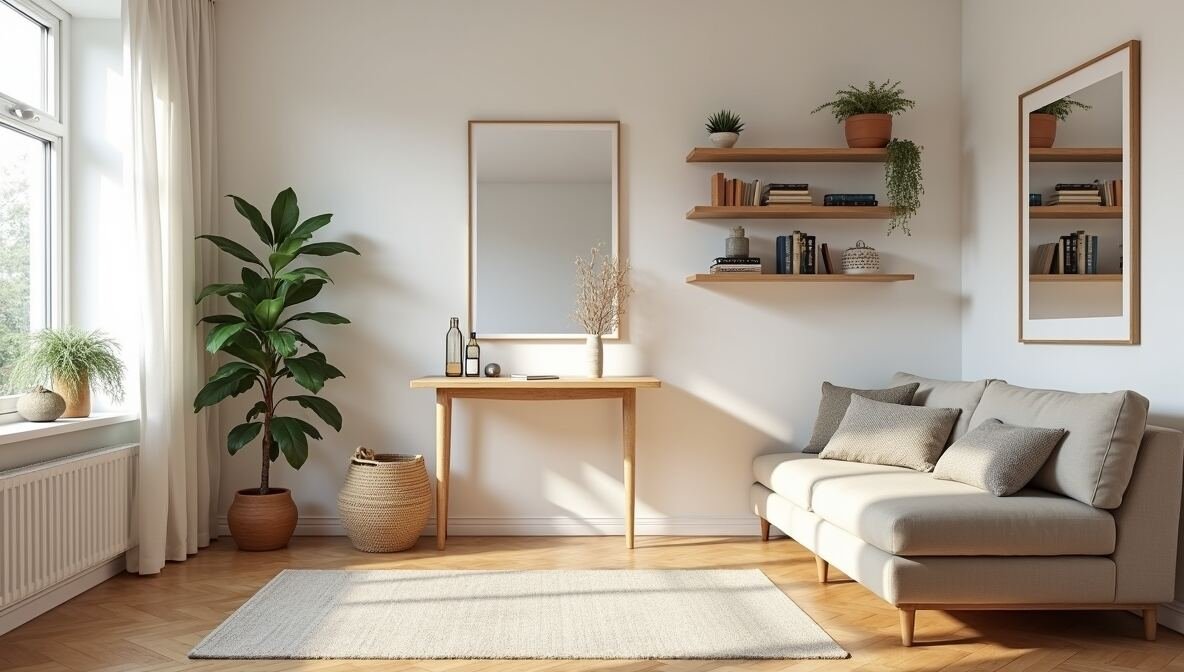
Scandinavian Home Interior Design Ideas
Scandi design is minimalistic and comfortable, where the light and natural materials are used to make the close spaces brighter.
Light wood tones, soft textures, and white walls
Layered lighting and multi-functional furniture
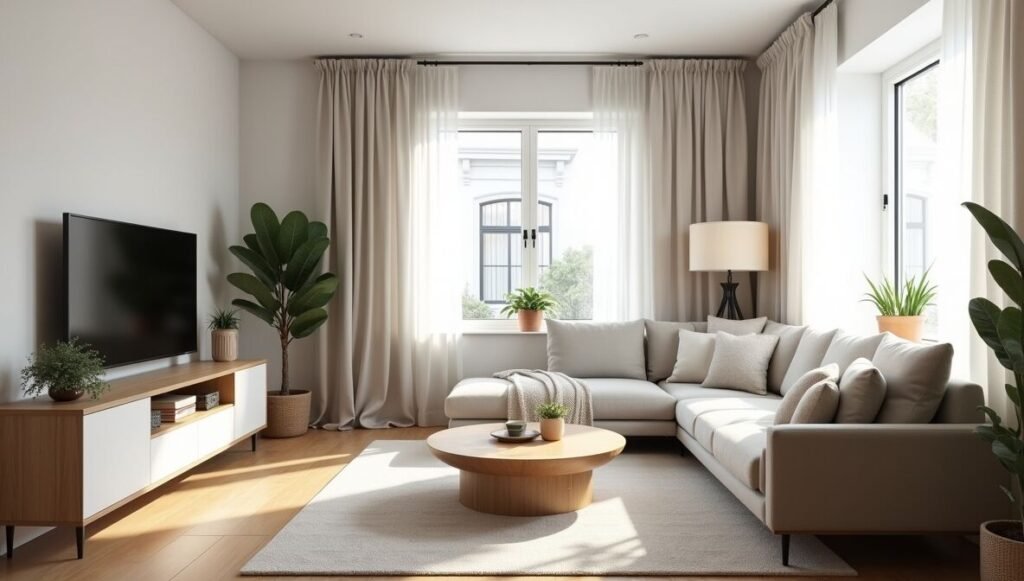
Cozy Living Room Home Design Inspiration
Create warmth in tight living areas by layering textures and making every item count.
Space-saving seating and built-in shelves
Warm lighting, textured rugs, and soft throws
Boho Style Home Design Ideas for Apartments
A relaxed, expressive style that works well in small apartments with creative use of color and texture.
Natural fabrics and hanging greenery
Open shelving with bold accents to energize the space
Budget-Friendly Home Design Inspiration
There is no large budget required to design a comfortable and fashionable house.
Multi-use furniture that is cheap to buy, but has built-in storage facilities.
Low-cost upgrades using DIY decor and secondhand finds
Smart Home Interior Design Inspiration with Tech
Comfort, convenience, and good use of small spaces by the use of modern technology.
Lighting systems, thermostats, and miniaturised devices that react to the voice
Some smart adjustments would convert every inch of your house into a functional and attractive space.
Make use of Vertical Storage Solutions
Floor space is also freed by giving tall shelves, mounted racks, and by stacking bins to keep everything in order.
Mirrors to Increase Space Viewing
Mirrors reflect light and open tight spaces, creating an illusion of a bigger space even though it is a small space.
Select Open Leggy Furniture
The furniture is simple with see-through legs and gives the room a breezy effect to the sight lines.
Use a Unified range of colors
Setting up your space in a similar tone would prevent excessive visual noise and smooth out small spaces.
Where to Find Real-Life Inspiration
It is not difficult to make a design decision when one can see a real example.
Home design inspiration can be located through searching online sites that represent small space makeovers, or space designs offered by their user base, as well as room-to-room design advice. On these sites, there are usually galleries with apparent before and after shots, layout suggestions, and hands-on guidance by renters and decorators.
The second terrific strategy is applying mood boards or digital planners. These tools enable you to work on colors, furniture, and room layouts to even out changes before even occur. It is also recommended to save images that fit your aesthetic so that you can maintain audio-visual consistency and stay specific with your design decisions.
FAQs
How do you get inspiration to design homes in small living spaces?
Put your attention on rooms that are like yours. Make mood boards, apps, or scaled-down galleries that emulate a similar floor plan or square footage. This assists you in getting applicable ideas that are easy to implement.
What are the ways to enlarge a small space?
Keep up the light color, mirrors, and vertical storage. In order to make it look more open, select furniture that does not touch the ground, and avoid clutter; also, use the same color throughout.
Which style of design is suitable in a constricted area?
Minimalist and Scandinavian are safe options. They are less on decoration and more on purpose, straight lines, and the reduction of distractions, maximizing space and comfort.
How will my small space look, and can I still make it personal?
Surely, just don’t overdo. personality with art, textiles, and unique furniture. Select some attention-grabbing furniture as opposed to filling all the spaces.
Final Thoughts
Good home design inspiration doesn’t mean more stuff. It means better use of what fits your life.
To have the right home does not require a large area. The trick is to emphasize doing, ease, and your style. Even a tiny room can be quite perfect when every item has its duty and makes sense.
Stick to what works. Add what matters. Skip the rest. That’s how small spaces become great — not by size, but by design.
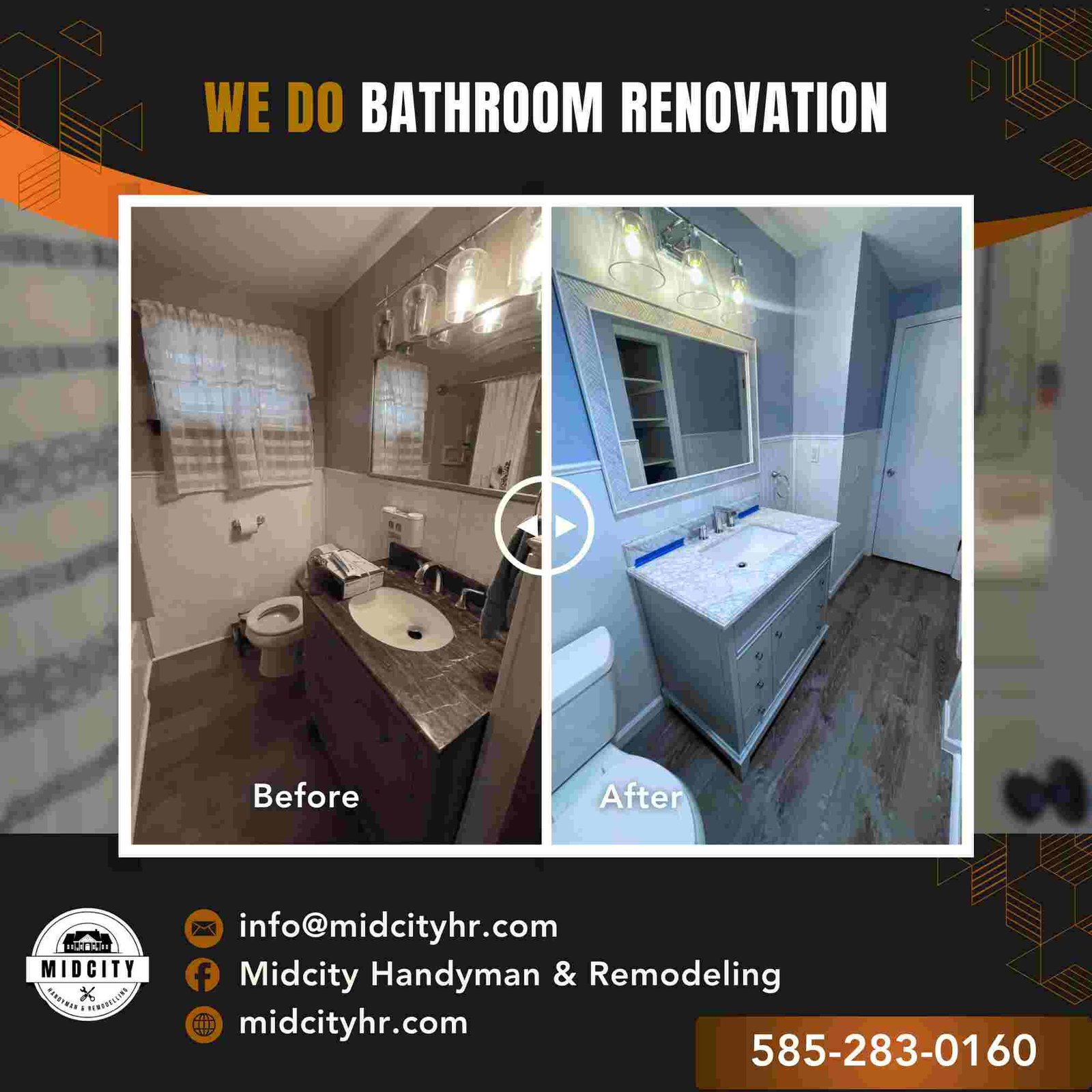
Smart Bathroom Remodeling Ideas for Complete Residential Makeover
When your bathroom feels cramped, outdated, or hard to maintain, it affects your whole day. Many homeowners across the U.S. face old fixtures, water damage, and poor layouts that make daily routines frustrating. These issues may seem small at first, but over time, they reduce comfort, efficiency, and property value
That’s where smart bathroom remodeling helps. A well-planned update isn’t about luxury—it’s about solving everyday problems, improving functionality, and making your home work better for your needs.
Why Bathroom Remodeling Is Worth It
A remodeled bathroom fixes more than just looks. It makes the space safer, easier to clean, and more energy-efficient. For example, replacing an old toilet with a dual-flush model can lower water bills. Adding brighter LED lighting makes mornings easier. These updates are practical and long-lasting.
Bathrooms are also a key selling point. Buyers notice clean, modern finishes, efficient layouts, and quality workmanship. Investing in a remodel can help your home stand out in the market and sell faster when the time comes.
Make Small Spaces Work Smarter
Many homes have bathrooms that feel too tight. Smart design fixes that without knocking down walls. Wall-mounted sinks, floating vanities, and glass shower panels help open up the room visually. Bright tiles and light colors also make small bathrooms feel larger and more inviting.
Better storage is another smart move. Built-in shelves, recessed cabinets, or tall linen towers keep counters clear and essentials organized. It’s about using every inch wisely without clutter.
Function First, Style Second
Bathrooms should serve you first. That means planning layouts that work for your routine—where the outlets are, how easily doors open, or whether there’s enough light over the sink. The best remodels put daily use ahead of decoration.
Once function is sorted, it’s easier to choose materials and finishes that match your taste. Matte tiles, brushed hardware, or simple neutral colors create a modern, timeless look that stays appealing year after year.
Start Small, Think Bigger
Fixing one room often sparks bigger ideas. A new bathroom with updated flooring, wall paint, and fixtures can make the rest of the home feel dated. That’s why many people begin with a bathroom, then expand into residential remodeling to refresh the entire house.
Homeowners might continue with kitchen updates, new lighting throughout the home, or even a more open floor plan. When one space works better, it sets the tone for the rest.
What It Costs and What You Get
Bathroom remodels vary in price based on size, condition, and materials. A simple update might run around $10,000. Larger projects with high-end finishes could reach $25,000 or more. But even modest upgrades make a big difference in function, comfort, and value.
Cutting corners can lead to problems. Cheap materials wear out fast, and DIY work often causes delays or code violations. Licensed contractors help avoid those risks and ensure things are done right the first time.
Professional teams also know how to stay on budget, schedule inspections, and finish without constant changes or unexpected delays.
Safety, Efficiency, and Longevity
Bathrooms deal with heat, water, and heavy use every day. That’s why smart remodeling means choosing materials and designs that hold up over time. Slip-resistant floors, mold-resistant paint, and easy-to-clean surfaces reduce future maintenance.
Accessibility is also worth considering. Features like walk-in showers, comfort-height toilets, and lever handles aren’t just for seniors—they help people of all ages and keep the home future-ready.
Efficiency matters too. LED lights, low-flow fixtures, and better ventilation lower monthly bills and reduce moisture damage.
Real Results You Can Feel
The impact of a remodel is immediate. Your mornings go more smoothly. The room feels cleaner and easier to use. Guests notice the change. And the entire house starts to feel more put together.
That’s why bathroom remodeling is one of the most rewarding updates you can do. It combines practical upgrades with visual appeal and sets the stage for a better living experience. If the remodel is part of a bigger plan, it fits naturally into a larger residential remodeling project. Starting with one room helps build momentum and confidence in the process.
Urban living has evolved beyond just functionality. It now reflects personality, creativity, and cultural identity. One striking trend shaping modern home design is the use of bold, expressive Graffiti Wall Art in interior spaces.
Once confined to city streets and public walls, graffiti has become an admired art form. It now appears in lofts, apartments, and contemporary homes as a powerful symbol of individuality and modern style.
The Urban Appeal of Graffiti in Interior Design
Graffiti brings more than color to a space—it injects energy and character. In homes with industrial elements like exposed brick, concrete, and metal, graffiti offers contrast and warmth.
This art form often carries themes of rebellion, freedom, or social commentary, making it a natural fit for the urban lifestyle. Inside the home, graffiti connects residents with the raw creativity of the streets and the spirit of city life.
Its transition from outdoor public spaces to indoor living areas marks a shift in how people express themselves through decor.
Graffiti as a Focal Point
Graffiti doesn’t fade into the background. It takes center stage.
Whether it’s a full mural or a framed canvas, graffiti grabs attention and sparks conversation. In neutral or industrial spaces, it adds vibrancy and purpose.
Even in small rooms, one bold graffiti piece can transform the mood. In larger open-concept homes, wall-sized art installations can unify and energize the design.
Today, homeowners and interior designers are choosing Graffiti Wall Art to define rooms and express modern, creative lifestyles.
How Graffiti Art Fits into Urban Homes
Urban interiors typically follow minimalist or industrial styles. Clean lines, neutral colors, and raw materials dominate. Graffiti art provides a dynamic contrast, bringing life and personal expression into these spaces.
Common ways of including graffiti indoors:
Framed Canvases or Prints: Easy to move and switch out.
Wall Murals: Make bold, permanent statements.
Layered Mixed Media: Combine graffiti with abstract or pop art.
Graffiti works beautifully against surfaces like brick, concrete, and metal, offering a visual balance between texture and color.
Cultural and Personal Storytelling
Every graffiti piece has a story. It might reflect political views, cultural heritage, or emotional experiences. When chosen for home decor, it becomes a reflection of the owner’s personality and values.
More people are commissioning custom pieces from local artists, bringing authenticity and personal relevance to their spaces.
In urban homes, graffiti art can serve as a daily reminder of life, energy, and the creative power of the human voice.
Evolving Techniques and Artistic Innovation
Modern graffiti is not limited to spray cans. Artists now use digital tools, stencils, and mixed media to create detailed and refined pieces suitable for interior settings.
This evolution makes graffiti art more accessible and versatile. It can be applied on drywall, glass, wood, or canvas. This adaptability gives designers more freedom to incorporate graffiti into various styles and layouts.
With ready-to-hang prints of well-known urban artists now available online, even renters and small apartment dwellers can bring street art indoors with ease.
Energy, Contrast, and Color Theory
One of graffiti’s greatest strengths lies in its bold use of color. Whether it’s vibrant and chaotic or controlled and monochrome, graffiti brings emotion and movement into any room.
Color plays a psychological role in interior design. Reds inspire action. Blues promote calm. Yellows energize. Graffiti art uses these color theories intuitively to set a tone or create contrast.
The right graffiti piece can balance a cold, industrial space or add intensity to a quiet corner. It changes how a room feels—without needing to change the furniture.
Graffiti Meets Modern Luxury
Graffiti is no longer just an underground movement. It’s now embraced in high-end design.
In luxury urban homes, carefully selected graffiti artworks hang beside designer furniture and custom lighting. This blend of street style and sophistication reflects a broader cultural shift—one that values authenticity, expression, and contrast.
More homeowners today want their spaces to reflect who they are. And Graffiti Wall Art is a compelling, stylish way to make that statement.
Final Thoughts
Graffiti is more than just wall art. It’s culture, emotion, and design—intertwined.
In modern urban interiors, graffiti has become a voice of the home. It captures city energy, personal identity, and creative freedom, all while offering a strong visual impact.
By welcoming graffiti into interior design, today’s homeowners are turning their living spaces into art galleries that tell powerful, personal stories. Whether in a subtle frame or across an entire wall, Graffiti Wall Art transforms spaces into vibrant reflections of urban life.
🌟 Kitchen Ceiling Fans With Lights: The Ultimate Cooling & Lighting Combo
Looking for a way to brighten up your kitchen while keeping it cool? 💡❄️
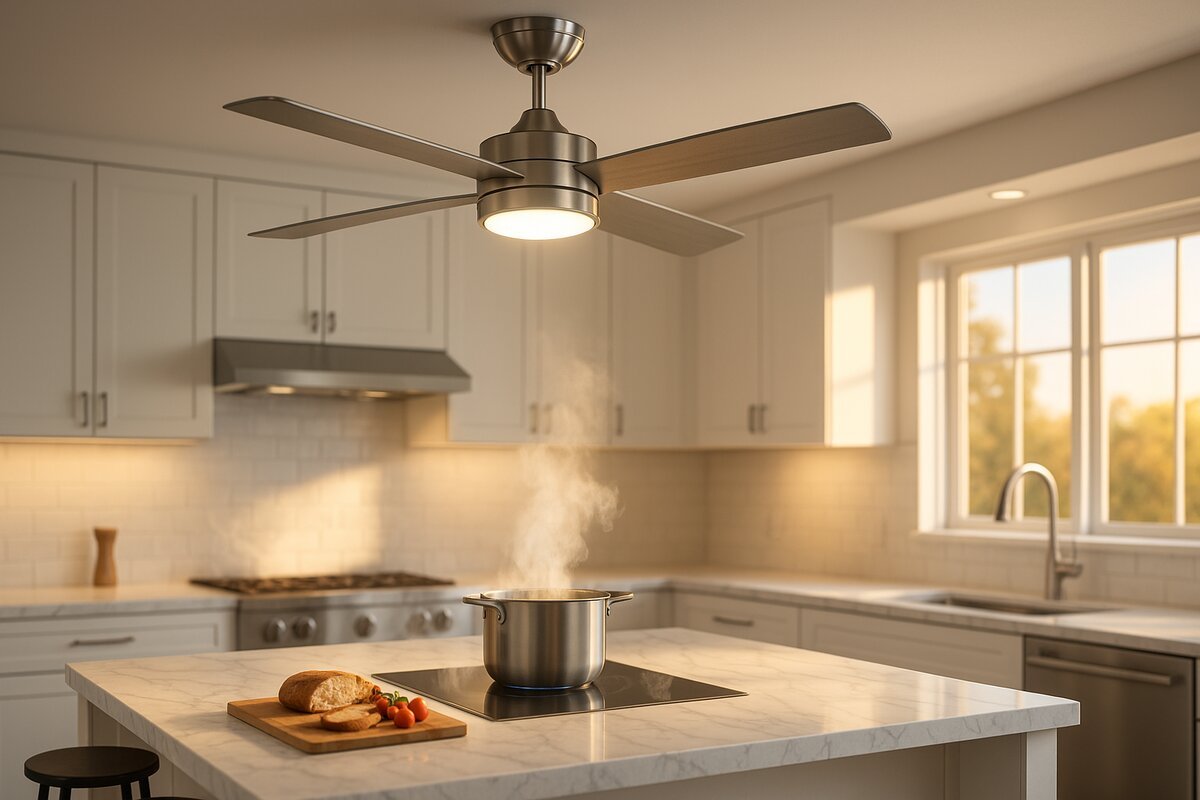
Kitchen ceiling fans with bright lights are the perfect combination of functionality and style. These fans not only provide a refreshing breeze but also add the ideal amount of lighting to your space. In this article, we’ll dive into why these fans are a must-have for modern kitchens. 🍽️✨
❓ Why Choose Kitchen Ceiling Fans With Bright Lights?
Kitchen ceiling fans with bright lights are game-changers for anyone looking to enhance their kitchen’s ambiance. They offer the best of both worlds: they cool the air while lighting up the space. Instead of having two separate fixtures—a fan and a light—you get the convenience of both in one unit. This makes them a practical choice for small kitchens or those looking to simplify their design. 🔄💡
🛠️ Key Features to Look For
When selecting the perfect fan, keep these key features in mind:
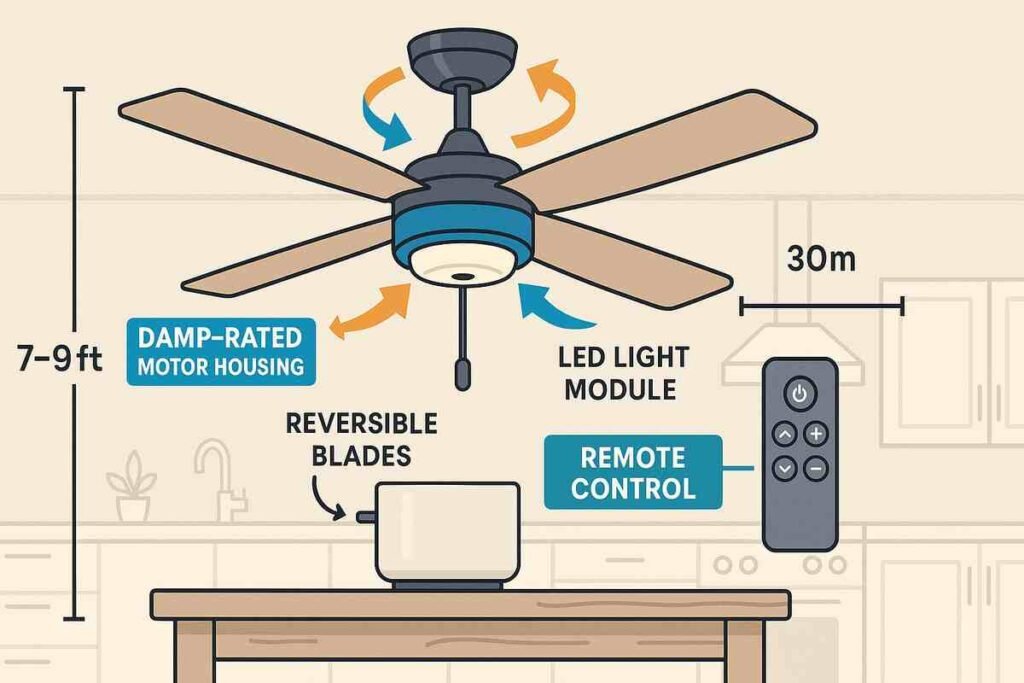
💡 Bright LED Lighting: Energy-efficient, bright lighting that illuminates your kitchen while saving electricity.
🤫 Quiet Motor: A fan that doesn’t disrupt your conversations or meals.
💦 Damp-Rated for Kitchens: Ensure the fan is designed to handle the humidity of the kitchen environment.
🎛️ Adjustable Settings: Remote control or smart home compatibility to adjust the fan speed and lighting easily.
🎨 Sleek Design: Look for a fan that fits the style of your kitchen, from modern to rustic.
These features ensure that your fan is not only practical but also a beautiful addition to your kitchen.
📏 Ideal Size and Placement Tips
Choosing the right size is key to getting the most out of your kitchen ceiling fan with bright lights. Here’s a simple breakdown:
🧁 Small kitchens (up to 75 sq. ft.): Fans between 29–36 inches work best.
🍜 Medium kitchens (76–144 sq. ft.): Opt for 36–42-inch fans.
🍽️ Large kitchens (145+ sq. ft.): A 44–52-inch fan will offer optimal coverage.
Place the fan at least 7 feet above the ground for safety and efficiency. If your kitchen has an island, center the fan over it for even airflow and balanced light distribution. 🌬️💡
🎨 Style and Function Combined
Kitchen ceiling fans with bright lights come in various styles, so you can choose one that fits your design preferences. Want a sleek, modern look? Consider a matte black or brushed nickel finish. For a warmer, more rustic vibe, wood-look blades are a great option.
These fans do more than just cool your kitchen—they enhance its style. With their clean lines and functional lighting, they act as a focal point in the room. The best part? They don’t clutter your counter space, making them ideal for smaller kitchens. 😍
💰 Energy Efficiency: Saving on Electricity Bills
Kitchen ceiling fans with bright lights can save you money. A ceiling fan can make the room feel 4-5°F cooler, allowing you to raise your thermostat in the summer and still stay comfortable. With energy-efficient LED lighting, these fans cut down on your electricity costs compared to traditional lighting solutions. 🔥➡️❄️
By using the fan and light together, you create a cooler and brighter kitchen without running up your electricity bill. Over time, these savings add up, making it a smart investment. 🧾💡
🧰 Installation: Can You Do It Yourself?
Installing kitchen ceiling fans with bright lights is a project that can often be done by DIY enthusiasts. If there’s already a light fixture in place, replacing it with a ceiling fan is relatively easy. Follow the manufacturer’s instructions carefully, and make sure the fan is securely mounted.
However, if you’re unsure about electrical work or if you don’t have a fixture to begin with, it’s best to hire a licensed electrician. Safety should always come first, especially when working with electricity in the kitchen. ⚡👷
❓ Common Questions About Kitchen Ceiling Fans With Bright Lights
Are they safe to use in the kitchen?
Yes, as long as they are damp-rated for kitchens, they are completely safe to use in this high-moisture area. 💧✅
Do these fans come with remote controls?
Yes, many models come with remote control compatibility or smart home integration, so adjusting the fan speed and light is a breeze. 📱
Can I use a ceiling fan with bright lights in a small kitchen?
Definitely! They are perfect for small kitchens as they combine two essential elements—cooling and lighting—without taking up extra space. 🧺✨
✅ Final Thoughts
Kitchen ceiling fans with bright lights are a fantastic upgrade for any kitchen. They provide both the practical benefits of air circulation and the aesthetic appeal of modern lighting. With the right size, style, and features, these fans can transform your kitchen into a cooler, brighter, and more inviting space. Ready to elevate your kitchen? A ceiling fan with bright lights is the perfect addition! ✅💡
With over 1.5 million Instagram posts tagged #Japandi, the Japandi dining table trend continues to captivate homeowners seeking clean, calming esthetics. This fusion of Japanese and Scandinavian design now ranks among the top 5 most popular interior styles in 2023, with 68% of buyers drawn explicitly to its minimalist appeal.
Your Japandi dining table combines light-colored woods like oak or ash with clean lines and subtle details, creating a perfect balance of form and function. Additionally, these pieces emphasize unadorned surfaces and gentle curves, complemented by neutral colors that promote a serene dining atmosphere. This comprehensive guide presents 50 unique Japandi dining table ideas for 2025, helping you choose the perfect centerpiece for your modern dining space.
What is Japandi Style?
Japandi is a mix of Japanese and Scandinavian styles. It combines Japanese design’s simple, clean look with the Scandinavian style’s cozy, practical feel.
This style uses natural materials like wood and bamboo, and loves bright spaces with lots of light. The colors are soft and calming, like whites, grays, and warm browns.
Japandi is all about simplicity and functionality. Every piece of furniture has a purpose, and nothing is there for show. It also cares about the environment, using eco-friendly materials and handmade items instead of mass-produced ones.
Japandi’s goal is to create a peaceful, cozy space where you can relax and feel at home. It’s perfect for people who love clean, simple designs but want their homes to feel warm and inviting.
Key Features of a Japandi Dining Table
A Japandi dining table is a unique piece of furniture that mixes Japanese and Scandinavian styles. It’s simple, practical, and beautiful, perfect for your dining room.
Simple and Clean Design
Japandi tables have clean lines and no extra decorations. They focus on being helpful and look great in any home.
Natural Materials
These tables are made from natural materials like wood. Common types of wood include oak, walnut, and ash. Each type of wood gives the table a unique look and feel.
Neutral Colors
Japandi tables come in soft colors like white, beige, brown, and gray. These colors make the dining room feel calm and cozy.
Handmade Quality
Many Japandi tables are handmade by skilled craftsmen. This means they are built to last and look amazing for years.
Space-Saving and Functional
Some Japandi tables can be extended to fit more people, making them perfect for small spaces. They are designed to be practical and easy to use every day.
Connection to Nature
Japandi tables often have natural shapes and textures, like wood grain. This makes them feel connected to nature and adds a special touch to your home.
Perfect for Any Home
Whether you have a big dining room or a small apartment, a Japandi table can fit perfectly. It’s all about creating a calm and inviting space.
50 Unique Japandi Dining Table Ideas for 2025
Natural materials and thoughtful design define the latest collection of Japandi dining tables for 2025. From compact round tables to expansive extendable options, 50 carefully curated pieces blend Japanese minimalism with Scandinavian functionality.
Minimalist Designs: The MOM Square Extension Table, priced at $2,650, showcases clean lines and an adaptable design. Similarly, the YON Round Table offers simplicity with its unadorned frame, priced at $2,350. Subsequently, the IPPONGI Kiori Table presents premium craftsmanship, priced at $8,930.
Natural Wood Collections: The Topa Topa series features tables in white oak, black, and natural finishes, ranging from $3,090 to $3,290. Alternatively, the HAKAMA Table series combines traditional Japanese esthetics with modern functionality, priced at $6,600.
Round Table Options: The ONE Round Table, priced at $8,000, exemplifies the perfect balance between form and function. Equally impressive, the HAKAMA Round Table offers elegant curves at $6,350.
Extendable Solutions: The MOM Round Extension Table, available at $2,950, adapts seamlessly to various dining needs. The 63 “-79” oval extendable table accommodates 6-8 people.
Space-Saving Designs: The 31.5″ round wood dining table, ideal for intimate settings, comfortably seats two people. Correspondingly, the 39.4″ square oak wood table effectively serves 2-4 diners.
Complete Dining Sets: The IPPONGI Table with Yagura Legs, priced between $6,470 and $15,650, pairs beautifully with wooden or upholstered chairs featuring sleek, unadorned frames.
Each piece in this collection emphasizes the following:
Clean lines and minimal embellishments
High-quality natural materials
Versatile functionality
Sustainable craftsmanship
The tables incorporate soft, muted colors like beige, gray, and off-white to create serene dining spaces. Additionally, many designs feature artisanal touches that celebrate the wabi-sabi philosophy of finding beauty in imperfection.
The 39 “-55″ oval and round extendable options for smaller spaces provide flexibility without compromising style. Simultaneously, the distinctive design of the 70.9” irregular wood dining table benefits larger dining areas.
These pieces often showcase the following:
Light wood tones with slim profiles
Time-worn appearances that add character
Minimal ornamentation
Versatile sizing options
The collection emphasizes eco-friendly materials and sustainable practices, encouraging buyers to invest in quality pieces that stand the test of time. Furthermore, each table demonstrates thoughtful design elements that enhance functionality and aesthetic appeal.
Several standout features include:
Adjustable sizes for various dining needs
Natural wood grains that add warmth
Durable construction methods
Balanced proportions
The tables range from compact 31.5″ round designs to expansive 87″ extendable options, ensuring solutions for every space requirement. The collection includes traditional height tables and lower options for authentic Japanese-style dining experiences.
How to Choose the Perfect Japandi Dining Table
Choosing the right Japandi dining table is all about finding a table that fits your space, looks beautiful, and works well for your needs. Here’s how to pick the perfect one:
Size and Shape
Measure your dining area to make sure the table fits comfortably.
Leave at least 36 inches (90 cm) of space around the table for easy movement.
Choose a shape that works for your space:
Rectangular: Great for big rooms.
Round or Oval: Perfect for small, cozy spaces.
Square: Good for compact areas.
Materials
Look for tables made from natural materials like wood.
Popular wood types include:
Oak: Light and strong.
Walnut: Dark and elegant.
Ash: Smooth and warm.
For a modern look, try tables with glass tops or stone accents.
Simple Design
Pick a table with clean lines and no extra decorations.
The simpler the design, the more it fits the Japandi style.
Colors and Finishes
Stick to neutral colors like white, gray, beige, or brown.
A matte finish is best because it looks natural and elegant.
Functionality
Choose a table that works for your lifestyle.
Extendable tables are great for extra seating when needed.
Folding tables are perfect for small spaces.
Sustainability
Look for tables made from eco-friendly materials.
Check for handmade quality and strong construction.
Matching Your Decor
Make sure the table fits with your room’s colors and style.
Pair it with chairs that have clean lines and natural materials.
Think About Your Life
Consider how you’ll use the table. Will it be for meals, work, or crafts?
A round table is great for family gatherings and conversations.
Styling Tips for Japandi Dining Tables
Creating an inviting Japandi dining space requires careful attention to detail and thoughtful styling choices. Each component is vital in achieving the perfect balance between Japanese minimalism and Scandinavian warmth, from lighting to decor elements.
Natural Elements and Textures: Incorporate bamboo in light fixtures, placemats, or decor to add natural beauty to your dining space. Consider adding potted greenery or small trees that bring life and nature indoors. Arrange some potted plants and elegant taper candles for a lively touch.
Lighting Considerations: Opt for soft, diffused lighting from pendant lamps, preferably in organic shapes and natural materials. This creates a well-lit, inviting atmosphere essential for any dining area. Combine natural, ambient, and task lighting to establish the perfect balance.
Centerpiece Selection: To introduce nature into your setup, choose a simple table runner and place a long planter on top. Alternatively, display a minimalist vase with or without floral arrangements. Small tabletop zen gardens or stones are excellent decorative elements that maintain the Japandi aesthetic.
Textile Integration: Use neutral or earth-toned textiles to add warmth and texture to your dining space. To enhance comfort, consider adding throw pillows to your dining chairs. A carefully chosen rug beneath the dining set creates a contained, cozy corner that defines the space.
Material Harmony: Combine different materials and textures thoughtfully to create depth and interest. For example, mix smooth wood against rough stone while maintaining minimalist appeal. When selecting accessories, focus on pieces that blend functionality with aesthetics.
Color Balance: Use contrast effectively in your styling choices. Incorporate sleek, dark accents like pendant lights and fruit bowls to create eye-catching visual interest. Keeping the overall palette neutral allows these contrasting elements to stand out naturally.
Storage Solutions: Incorporate innovative storage solutions to maintain a clutter-free space. Display ceramics and functional items that complement the aesthetic while serving a purpose. Remember that in Japandi design, every element should contribute to form and function.
Seating Arrangements: Mix different seating options, including natural materials and soft layers. Consider incorporating benches or stools that offer flexibility and simplicity, especially in smaller spaces. For traditional Japanese-style dining, pair low tables with tatami mats or cushions for an authentic experience.
Artistic Elements: Display art that reflects nature or abstract minimalism, placing pieces at eye level for a grounded feel. Choose a few carefully selected pieces rather than an abundance of decorative items. This approach maintains the minimalist aspect while adding personality to your space.
Seasonal Adaptability: Create a dining space that can adapt to different occasions and seasons. Use dimmable lighting to adjust the ambiance for various times of day or dining experiences. Select versatile pieces that can adapt to different needs or room layouts.
By implementing these styling elements thoughtfully, your Japandi dining table becomes more than just a piece of furniture – it transforms into the heart of a serene, welcoming dining space that perfectly balances esthetics and functionality. Remember to maintain simplicity throughout your styling choices, allowing each element to contribute to the overall harmony of your dining area.
Why Japandi Dining Tables Are Perfect for 2025
As 2025 approaches, Japandi dining tables stand at the forefront of interior design trends, offering a perfect blend of sustainability, functionality, and timeless esthetics. This harmonious fusion of Japanese minimalism and Scandinavian design principles continues to captivate homeowners and designers alike.
Sustainability First: In 2025, sustainability has evolved from a mere preference to an essential cornerstone of Japandi design. These dining tables showcase eco-conscious craftsmanship through:
Locally sourced materials that reduce carbon footprint
Traditional woodworking techniques that preserve cultural heritage
Durable construction methods ensuring longevity
Artisanal Excellence: Local craftsmanship has gained significant prominence, with artisans creating handmade furniture using time-honored methods. These bespoke pieces align perfectly with Japandi’s emphasis on quality over quantity, supporting small businesses alongside preserving cultural traditions.
Multi-functional Innovation: The rise of remote work has reshaped how we use our dining spaces. Japandi dining tables in 2025 respond to this shift by incorporating clever design elements. Built-in storage solutions and adaptable surfaces allow these tables to transition seamlessly between dining, work, and leisure activities.
Modular Versatility: Flexibility remains a key attribute of Japandi dining tables in 2025. These pieces often feature modular designs that adapt to changing needs. Each table offers practical solutions from expandable surfaces to adjustable heights without compromising esthetic appeal.
Serene Esthetics: Japandi dining tables’ enduring appeal lies in their ability to create tranquil spaces in busy modern life. These tables establish peaceful dining environments through clean lines and natural materials that promote mindful living and genuine connections.
Traditional joinery techniques that ensure stability
Versatile Integration: These tables demonstrate remarkable adaptability, fitting seamlessly into various interior design themes. Whether complementing minimalist, Scandinavian, or Asian-inspired spaces, Japandi dining tables maintain their distinctive character while enhancing existing décor.
Natural Harmony: The incorporation of natural elements remains fundamental to Japandi design. Tables feature:
Authentic wood grains that showcase nature’s beauty
Sustainable materials that support environmental consciousness
Organic finishes that age gracefully over time
Thoughtful Design: Each Japandi dining table carefully considers both form and function. The emphasis on minimal waste and thoughtful design encourages a “buy better, buy less” approach, effectively reducing fast-furniture waste while promoting sustainable living practices.
Peaceful Atmosphere: These tables contribute significantly to creating serene dining spaces. Their understated elegance and functional design foster an environment where family and friends can gather, connect, and find respite from daily stresses.
By choosing a Japandi dining table in 2025, homeowners invest in more than just furniture – they embrace a lifestyle that values quality, sustainability, and mindful living. These pieces represent a thoughtful approach to design that will undoubtedly continue to influence interior trends well beyond 2025.
FAQs About Japandi Dining Furniture
What’s the Best Japandi Dining Table for 8 People?
A 63 “-79” oval extendable table is perfect for 6-8 people.
Try a 79 “-94” oval table that seats 8-10 for bigger groups.
These tables are safe, stylish, and great for families.
How Do I Create a Japandi Dining Room?
Use natural materials like wood and bamboo.
Keep the space simple with clean lines and soft colors like beige, gray, and white.
Add natural light and avoid clutter.
For small spaces, use multipurpose furniture or bench seating.
Why Choose an Oval Japandi Dining Table?
Oval tables are safe with smooth corners.
They’re stable with double pedestal bases.
Great for both small dinners and big gatherings.
Example: The Tintica Series 70.9″ oval table costs $699.99.
What Are the Best Japandi Dining Chairs?
Look for chairs made from natural materials like wood and rattan.
Choose neutral colors and simple designs.
Popular options:
Rattan chairs with wood frames.
Upholstered chairs with clean lines.
Benches or stools are great for small spaces.
Conclusion
Japandi dining tables are more than just furniture—they embody a thoughtful approach to modern living through their perfect balance of form and function. These pieces celebrate craftsmanship while maintaining clean lines and minimal ornamentation, creating serene dining spaces.
Quality materials and expert construction ensure your Japandi dining table becomes a lasting investment, not just another disposable piece. Additionally, sustainable practices and timeless designs make these tables environmentally conscious choices that will maintain relevance beyond 2025.
Natural elements and neutral tones help your dining space become a peaceful retreat from daily stress. Therefore, selecting the right Japandi dining table transforms your dining area into a harmonious environment where family and friends gather to create lasting memories.
Ultimately, Japandi dining tables offer practical solutions for contemporary homes while staying true to their minimalist roots. Your perfect table awaits among these 50 unique designs, each promising to bring tranquility and purpose to your dining space through thoughtful Japanese-Scandinavian fusion.
For further inspiration on creating harmonious living spaces, explore these related articles:
Essential Tips for Installing an Electric Hot Water System in Australia
A hot water electric heater is a system that heats and stores water using electricity for daily use in kitchens, bathrooms and laundry. Homeowners often choose electric heaters because they cost less to install, are widely available, and do not require a gas connection.
These heaters are considered easier to set up than gas models and they fit well in both small apartments and larger homes. While many steps can be done on your own, working with electricity and plumbing always carries risks. If you are not confident in handling power lines or water pipes, it is safer to call a licensed installer.
What Is a Hot Water Electric Heater?
Simple explanation of how it works
An electric hot water heater is a household appliance that delivers heated water through a power-driven system. Instead of using gas or oil, it relies on electricity to heat water quickly and keep it ready for use.
Tank vs tankless electric heaters
Tank heaters store a fixed volume of hot water inside an insulated cylinder. They are designed to provide hot water for multiple uses at the same time, such as showers, dishwashing, and laundry. Tankless heaters do not store water but heat it instantly as it flows through the unit. This option suits smaller households or people who want a compact and efficient system with continuous hot water.
Common uses in households
Electric water heaters are used for daily needs such as bathing, cooking, washing dishes, and laundry. They are popular in homes without a gas line because installation is simpler. Families also prefer them where steady hot water is required, while apartments often choose tankless units to save space.
Things to Know Before Installation
Safety checks and permits
Safety comes first when installing an electric hot water heater. The space should be dry and stable. Keep kids and pets away. Make sure the wall or floor can handle the full weight of the unit.
Many regions require permits for electrical or plumbing work. These rules protect your home and make sure the system follows safety codes. Always contact the local office before starting. Skipping this step can cause problems later.
Turning off power supply
Always switch off the power before working. Go to the main service panel and turn off the breaker for that area. Test with a voltage tool to confirm the power is off. Never touch wires until you are sure.
Turn off the main water supply as well. This prevents leaks and makes the job easier. Do not restore power or water until every connection is secure.
Checking local building codes and permits
Each area has its own rules for installation. Some require a dedicated electrical circuit. Others may need a safety switch near the unit. Plumbing codes may also cover relief valves and drain pipes. Following the rules helps avoid fines or unsafe work.
When to call a licensed electrician or plumber
Some steps should only be done by trained experts. If you are not sure about wiring or grounding, call an electrician. Wrong wiring can cause shocks or even fire.
If pipes are rusted or need changes, call a plumber. A licensed installer will make sure the heater is safe, reliable, and long lasting.
Tools and Materials You’ll Need
Basic tools for installation
A few hand tools are needed for the job. Keep a screwdriver for fittings. Use a pipe wrench for tightening or loosening connections. Pliers are useful for grip. A saw is needed if pipes must be cut. Have nails, screws, and a level ready to secure the unit and make sure it is straight.
Safety gear for protection
Safety must be taken seriously. Wear gloves to protect your hands from sharp edges or hot surfaces. Safety glasses prevent injury from dust or debris. A voltage tester is essential to confirm that the power is fully off before working with wires.
Plumbing and electrical supplies
The heater also needs the right parts and fittings. A drain valve allows safe removal of water. Pipes and connectors are required to attach the unit to the supply lines. Conduit protects electrical wires. A mounting bracket is used to hold the heater firmly in place.
Step-by-Step Installation Guide
Step 1: Plan the location and space
Pick a place near water pipes and power. The spot should be dry, flat, and strong enough to hold the full weight of the heater when filled with water.
Step 2: Unpack and prepare materials
Lay out all tools and heater parts before you begin. Keep everything close so you can reach it easily.
Step 3: Turn off power supply
Go to the service panel and switch off the circuit breaker. Test with a voltage tool to confirm that the power is off.
Step 4: Disconnect and loosen pipe connections
Loosen the pipes in the area where the new heater will be placed. Do not touch pipes that go to the boiler or washing machine.
Step 5: Drain the old tank (if replacing)
Open the drain valve and empty the tank fully. Make sure no water remains before removing the old unit.
Step 6: Prepare plumbing lines
Cut pipes to the right size and clean away any dirt. Add the correct fittings to match the new heater.
Step 7: Install the T&P valve
Install the temperature and pressure valve. It controls pressure inside the tank and keeps it safe.
Step 8: Mount the water heater securely
Fix the heater to the wall with a bracket. Check that it is straight and tightly attached.
Step 9: Run electrical wiring and conduit
Run wires inside a conduit for safety. Connect the heater to its own circuit so it does not overload.
Step 10: Connect plumbing and electrical lines
Connect the cold pipe to the inlet and the hot pipe to the outlet. Join the wires to the terminals as shown in the manual.
Step 11: Switch on power and test the system
Turn the breaker back on and open the water supply. Check for leaks, test the valve, and confirm that the water heats properly.
When to Call a Professional Installer
Call a professional if the job involves complex wiring, major plumbing work, or large systems like hybrid heaters. Without electrical training, mistakes can cause shocks or fire. Many areas also require permits and inspections, which licensed installers can manage while ensuring the system is safe and approved.
Common Mistakes to Avoid
Common mistakes include not turning off power before work. Using the wrong fittings often causes leaks. Skipping insulation wastes energy. Connecting the heater to an overloaded circuit is unsafe. Ignoring leaks rust or strange noises can also lead to system failure.
Useful Tips for a Safe and Efficient Setup
Insulate exposed pipes to keep water hot and prevent freezing. Install a timer to control usage and save energy. Flush the tank once a year to remove buildup. Test the pressure valve often to check safety. Keep manuals and warranty papers in a safe place for future use.
QUICK ANSWERS
How long does it take to install an electric hot water heater?
Installing an electric hot water heater usually takes two to three hours when done by a licensed professional. The time may be longer if old units need removal, new pipes are required, or permits and inspections are involved.
Can I install an electric water heater myself?
You can install an electric water heater yourself if you have basic plumbing and electrical skills, but it is safer to hire a professional to meet codes and avoid risks.
Do electric water heaters use a lot of electricity?
An electric water heater uses about 3,000 to 4,500 watts per hour, which adds up to around 10 to 15 kWh daily depending on size and usage.
Conclusion
Installing an electric hot water heater is possible with the right tools, safety steps, and basic skills. Choosing the correct size, following local codes, and checking wiring and plumbing are all important for safe use.
Regular care such as flushing the tank and testing the pressure valve will keep the system working well for years. If the work feels complex or unsafe, hiring a licensed professional is the best way to ensure reliable and safe installation.
👉 “For more home improvement tips and detailed guides, explore Redfinz, where we cover everything from water heaters to smart design solutions.”
9 Reasons Why You Have No Hot Water in House & Quick Fixes
Imagine stepping into a cold shower only to find no hot water in your house—frustrating, right? You’re not alone if you’re wondering why there’s no hot water in your house. This common issue can have various causes, ranging from a faulty thermostat to sediment buildup in your water heater.
Whether you have an electric or gas water heater, the problem can often be resolved with a few simple checks. For instance, if you’re unsure whether you have a gas or electric water heater, check out our Gas vs Electric Water Heater guide to learn more. By the end of this article, you’ll know exactly what to check and how to restore your hot water supply. Let’s explore the most common reasons for no hot water in your house and how to fix them!
Common Causes of No Hot Water in House
Why Is There No Hot Water in My House? 9 Common Culprits
If you’re dealing with no hot water in your house, the issue could be due to several reasons. Here are the most common causes:
Faulty Water Heater Thermostat:
The thermostat controls the temperature of your water heater. If it’s set too low or malfunctions, you might not have hot water. Check the thermostat settings and adjust them if needed.
Tripped Circuit Breaker (Electric Heaters):
If you have an electric water heater, a tripped circuit breaker could cut off the unit’s power. Head to your breaker panel and check if the switch for the water heater is in the “off” position.
Pilot Light Out (Gas Heaters):
A pilot light that’s gone out for gas water heaters can stop the heating process. Relight the pilot light following the manufacturer’s instructions.
Sediment Buildup in the Tank:
Over time, minerals like calcium and magnesium can accumulate at the bottom of the tank, reducing heating efficiency. Flushing the tank can help resolve this issue.
Broken Dip Tube:
The dip tube directs cold water to the bottom of the tank for heating. If it’s broken, cold water may mix with hot water, making it feel lukewarm or cold.
Leaking Water Heater Tank:
A leak in the tank can lead to a loss of hot water. Check for puddles or dampness around the unit.
Frozen Pipes (Cold Weather):
Pipes can freeze in freezing temperatures, blocking the flow of hot water. Insulate your pipes to prevent this.
Malfunctioning Heating Element (Electric Heaters):
Electric water heaters rely on heating elements to warm the water. If one fails, you might get limited or no hot water.
Gas Valve Failure (Gas Heaters):
A faulty gas valve can disrupt the heating process. If you suspect this, call a professional for repairs.
By identifying the cause, you can take the proper steps to fix the issue and restore your hot water supply.
How to Troubleshoot No Hot Water in House
How to Fix No Hot Water in House: Step-by-Step Guide
If you’re facing no hot water in your house, don’t panic! Many issues can be resolved with a few simple troubleshooting steps. Here’s a step-by-step guide to help you identify and fix the problem:
Check the Thermostat Settings:
Locate your water heater’s thermostat (usually on the side of the tank).
Ensure it’s set to the recommended temperature (typically 120°F or 49°C).
If the settings are correct but there’s still no hot water, the thermostat might be faulty and need to be replaced.
Inspect the Circuit Breaker (Electric Heaters):
Go to your home’s electrical panel and look for the breaker labeled “water heater.”
If the breaker is tripped (in the “off” position), switch it back to “on.”
If it trips again, there could be an electrical issue, and you may need to call an electrician.
Relight the Pilot Light (Gas Heaters):
For gas water heaters, check if the pilot light is lit.
If it’s out, follow the manufacturer’s instructions to relight it safely.
If the pilot light doesn’t stay lit, the gas valve or thermocouple could be faulty.
Flush the Tank to Remove Sediment:
Sediment buildup can reduce heating efficiency.
Please turn off the water heater, connect a hose to the drain valve, and let the water flow until it runs clear.
This simple maintenance task can often restore hot water.
Look for Leaks Around the Water Heater:
Check for puddles or dampness near the unit.
A leaking tank may need professional repair or replacement.
Test the Dip Tube:
The dip tube might break if your water is lukewarm instead of hot.
A plumber can inspect and replace the dip tube if necessary.
Reset the Water Heater:
Many units have a reset button (usually red) on the thermostat.
Press the button to reset the system. If it doesn’t work, there may be a deeper issue.
Call a Professional:
If you’ve tried all the above steps and still have no hot water in your house, it’s time to call a plumber. They can diagnose and fix complex issues like gas valve failures or heating element problems.
By following these steps, you can often resolve the issue yourself or identify when professional help is needed.
Specific Scenarios and Solutions
No Hot Water in House? Here’s What to Do Based on Your Situation
Sometimes, the issue of no hot water in your house depends on specific scenarios. Here’s how to address some everyday situations:
No Hot Water, but Cold Water is Fine:
If you have cold water but no hot water, the issue is likely with your water heater.
Check the thermostat, power supply (for electric heaters), or pilot light (for gas heaters).
No Hot Water Pressure in the House:
Low hot water pressure could be due to a clogged pipe or a faulty pressure relief valve.
Inspect the pipes and valves and clear any blockages if possible.
No Hot Water in House During Cold Weather:
Frozen pipes can block hot water flow.
Thaw the pipes using a hairdryer or heat tape, and insulate them to prevent future freezing.
No Hot Water in House, but the Heating Works:
If your heating system works without hot water, the issue might be the water heater’s dip tube or heating elements.
Inspect these components and replace them if necessary.
No Hot Water in House with an Electric or Gas Heater:
For electric heaters, check the circuit breaker and heating elements.
For gas heaters, ensure the valve is open and the pilot light is lit.
No Hot Water in Part of the House:
If only certain areas lack hot water, the problem could be with a specific faucet or pipe.
Check for blockages or leaks in the affected area.
No Hot Water After Freezing Weather:
Freezing temperatures can damage pipes and water heaters.
Inspect for cracks or leaks and repair them immediately.
Addressing these specific scenarios can help you pinpoint the cause of your house’s lack of hot water and take the right steps to fix it.
Preventive Measures
How to Prevent No Hot Water in House Issues
Dealing with no hot water in your house can be frustrating, but many issues can be avoided with regular maintenance and a few preventive steps. Here’s how to keep your hot water flowing smoothly:
Regularly Flush the Water Heater:
Sediment buildup is a common cause of heating problems.
Flush your water heater at least once a year to remove mineral deposits and improve efficiency.
Insulate Pipes in Cold Weather:
Frozen pipes can block hot water flow during winter.
Use pipe insulation or heat tape to protect your pipes from freezing.
Schedule Annual Maintenance:
Have a professional inspect your water heater annually.
They can check for leaks, faulty thermostats, or worn-out heating elements before they become significant problems.
Monitor Water Usage:
Avoid depleting your hot water tank by spacing out high-demand activities like laundry and showers.
If your household uses a lot of hot water, consider upgrading to a larger tank or a tankless water heater.
Check for Leaks Regularly:
Small leaks can lead to more significant problems over time.
Inspect your water heater and pipes periodically for signs of leaks, such as puddles or dampness.
Test the Pressure Relief Valve:
This valve prevents excessive pressure buildup in the tank.
Test it occasionally to ensure it’s functioning correctly.
Replace Old Water Heaters:
If your water heater is over 10-15 years old, it may be nearing the end of its lifespan.
Consider replacing it with a newer, more efficient model. For help deciding between gas and electric options, check out our guide on Gas vs Electric Water Heater.
By taking these preventive measures, you can reduce the chances of your house not having hot water and extend the life of your water heater.
When to Call a Professional
When Should You Call a Plumber for No Hot Water in House?
While many no hot water in house issues can be fixed with DIY troubleshooting, some problems require professional expertise. Here’s when it’s time to call a plumber:
Persistent Issues After Troubleshooting:
There may be a deeper issue if you’ve checked the thermostat, circuit breaker, pilot light, and other common culprits but still have no hot water.
Gas Leaks or Major Water Leaks:
If you smell gas near your water heater or notice a significant water leak, turn off the gas or water supply immediately and call a professional.
Complex Repairs:
Issues like replacing a dip tube, heating element, or gas valve are best left to experts.
Attempting these repairs yourself can be dangerous and may void your warranty.
No Hot Water in Part of the House:
If only certain areas lack hot water, the problem could be with specific pipes or valves that require professional inspection.
Old or Failing Water Heater:
If your water heater is old and frequently causing issues, a plumber can help you choose and install a new, more efficient model.
Electrical Problems:
If your electric water heater keeps tripping the circuit breaker, an underlying electrical issue could need professional attention.
Calling a plumber ensures the problem is diagnosed and fixed correctly, saving time and preventing further damage.
Quick Reference Table: Common Causes and Fixes
No Hot Water in House: Quick Reference Guide
To make troubleshooting easier, here’s a quick reference table summarizing the most common causes of no hot water in house and their fixes:
Cause
Faulty thermostat
Tripped circuit breaker
Pilot light out
Sediment buildup
Broken dip tube
Leaking tank
Frozen pipes
Malfunctioning heating element
Gas valve failure
Quick Fix
Adjust or replace the thermostat.
Reset the breaker for electric heaters.
Relight the pilot light for gas heaters.
Flush the water heater tank.
Replace the dip tube.
Call a plumber to repair or replace the tank.
Thaw pipes using a hairdryer or heat tape.
Replace the heating element (electric heaters).
Call a professional to repair or replace the gas valve.
This table provides a handy overview to help you quickly identify and address the issue.
Conclusion
No hot water in your house can be a significant inconvenience, but with the proper knowledge, you can often resolve the issue quickly. From checking the thermostat and circuit breaker to flushing the tank or relighting the pilot light, many problems have simple fixes.
However, if the issue persists or involves complex repairs like gas valve failures or leaking tanks, don’t hesitate to call a professional plumber. Regular maintenance, such as flushing the tank and inspecting for leaks, can also help prevent future problems.
For more tips on home maintenance and troubleshooting, check out this helpful guide on Home Maintenance Tips from This Old House. By following the steps in this guide, you’ll be well-equipped to tackle no hot water in house issues and enjoy a steady supply of hot water again.
FAQs
How do I fix no hot water in my house?
Start by checking the thermostat, circuit breaker (for electric heaters), or pilot light (for gas heaters). Flushing the tank to remove sediment or replacing a broken dip tube can also help.
Why would hot water stop running in the house?
Common reasons include a tripped circuit breaker, a pilot light outage, sediment buildup, or a faulty thermostat.
Why is my hot water not working, but my cold water is?
This usually points to an issue with the water heater, such as a broken heating element or gas valve.
How do you reset a water heater?
Press the thermostat’s reset button (usually red). If it doesn’t work, call a professional.
Lodge 3D Drawing: Transforming Modern Architecture and Design
Lodge 3D drawing is revolutionizing how designers and architects produce breathtaking lodge designs. Prof Drawings can create realistic digital models from their ideas using sophisticated 3D modeling tools.
By bridging the gap between idea and reality, this technology makes envisioning a lodge’s appearance simpler before it is constructed. Lodge 3D Drawing guarantees that every aspect is ideal, whether it’s a lavish resort or a cozy lodge in the woods.
From layout to materials, this tool assists designers in realizing their ideas. It’s no surprise that it’s becoming essential to contemporary architecture.
Overcoming Obstacles in Conventional Lodge Architecture
Using conventional techniques, designing a lodge might be challenging. Architects frequently find it difficult to envision the finished product or to make adjustments once the design is complete. Lodge 3D Drawing addresses these issues by providing a digital real-time environment for idea testing and refinement.
Comparing Traditional Sketching with 3D Drawing
Cone drawings lack detail and cannot depict the appearance of a lodge. However, 3D drawings offer a realistic representation of the design, including textures, lighting, and even the surrounding environment. As a result, client swing designers can more easily agree on the finished look.
Maintaining Accuracy and Structural Integrity
The accuracy of Lodge 3D Drawings is among its most significant benefits. Architects can concentrate on the lodge’s aesthetic appeal while ensuring its secure and helpful structure. Achieving this degree of accuracy using conventional techniques is challenging.
Boosting Creativity with 3D Lodge Rendering
Lodge The creative possibilities of 3D Drawing are eDrawing
Designers can experiment with various textures, such as wood, stone, or glass, to examine how they would appear in the finished design. Additionally, they can experiment with layouts, adding windows, or rearranging walls without having to start from scratch.
Personalization for Distinct Lodge Designs
Since each lodge is different, 3D rendering simplifies creating one-of-a-kind designs. Designers can alter every element to fit the client’s concept, whether a modern getaway or a rustic cabin. It’s challenging to accomplish this degree of customization using conventional techniques.
The Function of 3D Rendering Driven by AI
Lodge 3D Drawing has grown even more potent with AI-powered tools. These tools can make realistic virtual walkthroughs, forecast the effects of natural light, and even recommend design changes. In addition to saving time, this gives designers fresh inspiration.
Eco-Friendliness in Lodge 3D Illustration
Using Eco-Friendly Materials to Reduce Waste
Lodge Promoting sustainable architecture is greatly aided by 3D Drawing. In drawing models, designers can test environmentally friendly materials like reclaimed wood or energy-efficient glass. This guarantees that the lodge was constructed with the environment in mind and helps reduce trash.
Energy-Efficient Layout Visualization
A well-designed lodge is aesthetically pleasing and uses less energy. Architects can use 3D drawings to design spaces that optimize natural light and ventilation. As a result, less artificial lighting and heating are required, increasing the lodge’s long-term sustainability.
Endorsing Green Construction Methods
Architects might use digital lodge design tools to comply with green building regulations. 3D models simplify integrating sustainable elements into the design, from positioning solar panels to rainwater collection systems.
Streamlining Collaboration with 3D Models
Improving Communication Among Stakeholders
Among Lodge 3D Drawing’s most important benefits is its capacity to enhance communication. The ability to examine the same 3D model facilitates the exchange of ideas and comments between architects, clients, and constructors. This guarantees that everyone is in agreement and minimizes misunderstandings.
Real-Time Updates for Better Efficiency
Modifications to traditional designs can be expensive and time-consuming. On the other hand, real-time updates are possible with 3D models. Designers may quickly modify the model if a client wants to alter the materials or arrangement, saving time and effort.
Interactive Lodge Design for Collaboration
Interactive Collaboration is also possible using 3D models. Through virtual walkthroughs, teams can examine the lodge’s design and discuss any modifications or enhancements. As a result, everyone involved finds the design process more dynamic and engaging.
Essential characteristics of Lodge 3D drawing software
Accuracy and precision in architectural visualization.
Lodge The accuracy of 3D drawing software is well-known. It is possible to plan every aspect precisely, including the roof’s angle and window location. This lowers the possibility of construction errors and guarantees that the finished lodge precisely fits the design.
Adaptable Finishes and Floor Plans
One of the best qualities of 3D drawing tools is its versatility. Designers can produce unique floor plans and try various finishes, such as flooring or paint colours. This lets customers preview precisely how their lodge will appear before construction begins.
Virtual Tours to Ensure Customer Satisfaction
Virtual walkthroughs are revolutionary when it comes to client presentations. Clients can explore a 3D model of their lodge as if they were walking inside it rather than viewing flat sketches. This immersive experience allows them to imagine the area and gain confidence in the design.
Applications in Hospitality and Real Estate
Advantages for Developers of Real Estate
A valuable tool for real estate developers is 3D Drawing. To attract investors or buyers, it assists them in producing lifelike 3D models of lodges, cabins, or resorts. These models make it easier to seal agreements by giving prospective buyers a clear picture of what to expect.
Improving Hotel and Resort Designs
First impressions are essential in the hospitality sector. Lodge Designers may produce breathtaking images of hotels and resorts using 3D Drawings and high-detail renderings of every detail, from the lobby to the guest rooms. In a crowded market, this makes companies stand out.
Using Lifelike 3D Models to Increase Marketing
A fantastic marketing tool is a realistic 3D model. They can use websites, virtual tours, or brochures to highlight the lodge’s design. Providing them an open and honest view of the project increases clientele and fosters trust.
Dispelling Myths Regarding Lodge 3D Drawing
Handling Time and Cost Issues
Some perceive Lodge 3D Drawing as costly or time-consuming. In the long term, nevertheless, it saves money and time. 3D drawing expedites process and lowers costs by identifying design faults early and eliminating the need for physical prototypes.
Modern 3D Rendering Tools Are Accessible.
Another misconception is that only professionals should use 3D drawing tools. Today’s user-friendly software frequently includes instructions, so even novices may use it. Free versions of several tools are also available so designers can test them without a big financial commitment.
Why Investing in 3D Lodge Sketching Is Worth It
Although adopting 3D drawing tools has an initial cost, the advantages greatly exceed the costs. For anyone working in architecture or design, Lodge 3D Drawing is a wise investment that will result in better designs and happy clients.
Selecting the Best 3D Drawing Partner
The Value of Collaborating with Skilled Designers
Experience counts in Lodge 3D Drawing; collaborating with talented designers guarantees that your project is managed expertly. Skilled collaborators can accurately and creatively realize your concept because they know the subtleties of 3D modeling.
Essential Things to Look for When Choosing a Service Provider
It’s critical to pick the correct 3D drawing partner. Seek suppliers with a solid track record, satisfied customers, and lodge design experience. It is also crucial to confirm that they employ the newest equipment and technologies for optimal outcomes.
How to Locate Reasonably Priced and Trustworthy Services
Affordability is important, but so is quality. Examine estimates from several suppliers and inquire about any available packages. Numerous businesses provide customizable services, meaning you only pay for what you need. Remember to look for any additional fees or hidden expenditures.
Lodge 3D Drawing’s Future
Potential for Virtual Reality and AI Integration
Thanks to developments in artificial intelligence (AI) and virtual reality (VR), Lodge 3D Drawing has a promising future. These days, AI-powered technologies can forecast material performance, provide design enhancements, and even automate some modeling steps. Virtual reality goes one step further by enabling customers to “walk through” their resort in an utterly immersive setting.
New Developments in Immersion 3D Tours
The use of immersive 3D walkthroughs is growing. They provide a realistic experience before the lodge is constructed. Clients and stakeholders will find these walkthroughs convenient, as they can be accessible via smartphones or VR headsets.
How Technology Will Influence Lodge Design’s
Upcoming Development As technology advances, 3D Drawing will Become Ever more potent and intuitive. The infinite options range from AI-driven design recommendations to real-time collaborative tools. These developments will speed up ingenuity and sustainability in lodge design.
conclusion
Lodge 3D drawing has wholly transformed how architects and designers approach lodge design. This technology bridges the gap between the imagination and the real world by fusing sustainability, Creativity, and precision. From lifelike 3D models to captivating virtual walkthroughs, Lodge 3D Drawing offers designers, clients, and stakeholders many advantages.
The future of Lodge 3D Drawing is even more promising as artificial intelligence and virtual reality continue to develop. Using this technology when creating a lavish resort or a cozy lodge can save money and time and produce beautiful results. Now is the ideal moment to use Lodge 3D Drawing to advance your projects.
FAQs Regarding 3D Drawings of Lodges
Lodge 3D Drawing: What is it?
Lodge 3D Drawing is a digital design method that produces intricate and lifelike lodge representations using 3D modeling software. Before building starts, it aids designers and architects in visualizing their concepts.
What are the advantages of Lodge 3D Drawing for architects?
It simplifies customization, increases accuracy, and saves time. Architects can experiment with layouts, materials, and finishes to ensure the design meets the client’s needs.
How much does Lodge 3D Drawing cost?
Although there is an upfront investment, minimizing mistakes and preventing expensive modifications during construction ultimately saves money. Many tools also provide free or reasonably priced versions for novices.
Can I do modest projects with Lodge 3D Drawings?
Of course! From tiny cabins to expansive resorts, Lodge 3D Drawing is adaptable and may be utilized for projects of any size.
Which program works best for 3D drawings of lodges?
Blender, AutoCAD, and SketchUp are popular choices. Your project’s requirements and skill level will determine which software suits you.
How does Lodge 3D Drawing support sustainability?
It reduces waste and promotes green building practices by enabling designers to test eco-friendly materials and plan energy-efficient layouts.