
Wednesday, March 18, 2026

Boxing Ring Bed

0
Boxing Ring Bed

Boxing Ring Bed: Unique, Sporty, and Luxurious Bedroom Ideas

If you’re a boxing fan or love unique bedroom designs, a boxing ring bed might be the perfect addition to your space. Imagine sleeping in a bed resembling a mini boxing ring with ropes, corner posts, and a sporty vibe. This creative piece of furniture isn’t just for kids—it’s also a fun and stylish choice for adults who want to add a touch of personality to their bedrooms.

Themed furniture, like a boxing-inspired bed, is becoming increasingly popular as people look for ways to make their homes more personalized and exciting. Whether designing a room for a young boxing enthusiast or creating a sporty retreat for yourself, this bed can transform any space into a fun and functional area. Plus, it’s not just about looks—these beds can be customized with features like boxing ring bed sheets, ring bed frames, and even LED lights.

If you’re curious about how furniture fits into broader home design concepts, check out our guide on What is FFE Meaning? to learn more about Furniture, Fixtures, and Equipment. Ready to dive into the world of boxing ring beds? Let’s explore how they can elevate your bedroom design.

What Makes a Boxing-Themed Bed Unique?

A boxing-inspired bed is more than just a place to sleep—it’s a creative centrepiece that brings a sporty vibe to any room. Let’s break down what makes this furniture so unique.

Bold and Sporty Design

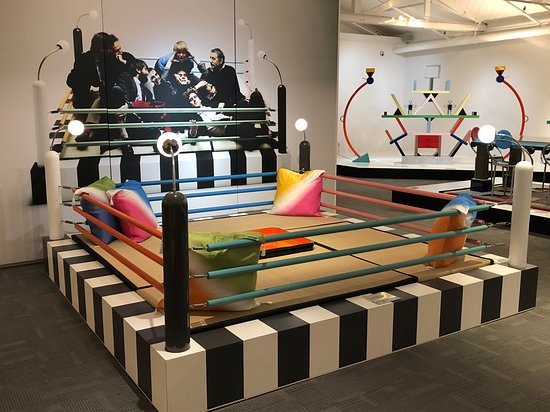
The most striking feature of a boxing ring bed is its design. It replicates the look of a real boxing ring, complete with ropes, corner posts, and sometimes even a mat-like surface. This makes it perfect for boxing or martial arts fans who want to bring their passion into their bedroom.

A boxing ring bed can turn a child’s room into a playful space. Adults might prefer a luxury boxing bed with sleek finishes and modern touches. Either way, this bed is a statement piece that stands out.

Versatility for All Ages

One of the best things about a boxing-themed bed is its versatility. Whether you’re looking for a king-size wrestling ring bed for a spacious room or a small boxing bed for a cozy corner, there’s an option to fit your needs.

Some designs even come with boxing ring bed covers or boxing ring bed frames, adding to the authenticity. For teens, a boxing ring bed can make their room feel like a fun and personalized space. It’s a bed that grows with them from childhood to adulthood.

Benefits of Choosing a Sporty Bed Design

boxing ring bed

A boxing-inspired bed isn’t just visually appealing but offers several practical benefits. Whether designing a room for a child or creating a themed space for yourself, this type of bed can elevate your bedroom in many ways.

Adds a Unique Focal Point

One of the most significant advantages of a boxing ring bed is its ability to become the centrepiece of a room. Its bold design with ropes and corner posts instantly draws attention and creates a sporty atmosphere. For kids, a boxing bed for the bedroom can make their space feel like a fun playground, while adults can enjoy the luxury of a custom boxing bed tailored to their style.

Perfect for Themed Bedrooms

This bed fits right in if you’re creating a themed bedroom gym or a sports-inspired space. Pair it with punching bags, boxing ring bells, or even in-room exercise bikes to complete the look. It’s not just a bed—it’s part of a more prominent design theme that reflects your personality and interests.

Customizable Features

Many boxing ring beds come with customizable options. To enhance functionality, you can add LED lights, storage compartments, or even built-in speakers. For smaller rooms, a boxing ring bed is a great space-saving solution that doesn’t compromise on style.

Types of Sporty Beds Inspired by Boxing Rings

Sporty Beds Inspired by Boxing Rings

There’s a boxing-themed bed design for every age group and room size. Let’s explore the different types available, from playful options for kids to luxurious designs for adults.

Beds for Kids and Teens

A boxing ring bed is a dream come true for younger boxing fans. These beds often feature bright colors, fun designs, and durable materials to withstand energetic play. Some even come with boxing ring bed sheets and covers to match the theme. For teens, a boxing ring bed offers a more mature look while keeping the sporty vibe alive.

Luxury Designs for Adults

Adults who love boxing or unique furniture can opt for a luxury boxing bed. These designs often include premium materials like leather or metal and added features like LED lights or built-in speakers. A king-size wrestling ring bed is perfect for those who want a bold statement piece in their bedroom.

DIY and Custom Options

If you’re on a budget or love hands-on projects, a DIY boxing ring bed might be the way to go. With some basic materials and creativity, you can build your boxing-inspired bed tailored to your preferences. For those who want something unique, custom boxing bed designs allow you to choose every detail, from the frame to the finishing touches.

How to Choose the Perfect Sporty Bed for Your Room

Choosing the right boxing-inspired bed depends on size, style preferences, and budget. Here’s a guide to help you pick the perfect design.

Consider Room Size and Layout

Before buying or building a boxing ring bed, measure your room to ensure it fits comfortably. A small boxing bed or a boxing ring bed for small rooms is ideal for smaller spaces. Larger rooms can accommodate a king-size wrestling ring bed or a luxury boxing bed with extra features like storage or lighting.

Match Your Bedroom Theme

Your bed should complement the overall theme of your room. If you’re going for a themed bedroom gym, pair the bed with punching bags, boxing gloves, or themed carpets. For a more subtle look, choose neutral colors and minimalist designs.

Decide on Customization Options

Many boxing-inspired beds come with customizable features. To enhance functionality, you can add boxing ring bed covers, LED lights, or even built-in speakers. If you’re building a DIY boxing ring bed, plan your design carefully to include all the elements you want.

DIY Ideas for a Boxing-Inspired Bed

Building your boxing-themed bed can be a fun and rewarding experience if you’re a fan of hands-on projects. Here’s how you can create a unique piece of furniture that fits your style and budget.

Gather Your Materials

To build a DIY boxing ring bed, you’ll need basic materials like wood for the frame, foam padding for the ropes, and fabric for the mat. To enhance the design, you can also add LED lights or boxing ring bed covers. Make sure to measure your space carefully to ensure the bed fits perfectly.

Step-by-Step Building Guide

Start by constructing the bed’s base and frame. Use sturdy wood to create the corner posts and attach foam padding to mimic the ropes. Cover the base with soft fabric to create a mat-like surface. If you’re adding LED lights, install them along the edges of the frame for a cool, sporty effect.

Personalize Your Design

The best part of a DIY project is the ability to customize it. You can choose your favourite colors for the ropes and mat or add unique touches like boxing ring bells or themed carpets. For kids, consider adding fun elements like boxing gloves or punching bags to complete the look.

Where to Find Unique-Themed Beds

Unique-Themed Beds

If you’re not into DIY projects, there are plenty of places to find ready-made boxing-inspired beds. Whether you’re looking for a playful design for kids or a luxurious option for adults, here’s where to start your search.

Online Retailers and Furniture Stores

Many online retailers and furniture stores offer sporty bed designs that mimic the look of a boxing ring. Websites like Wayfair, Etsy, and Amazon often have various options, from boxing-themed beds for kids to luxury sporty beds for adults. Be sure to read reviews and check dimensions before making a purchase.

Custom Furniture Makers

For a truly unique piece, consider working with a custom furniture maker. They can create a boxing-inspired bed tailored to your specifications, including size, materials, and additional features like LED lighting or storage compartments. This is an excellent option if you want something one-of-a-kind.

Local Markets and Auctions

Don’t forget to check local markets, auctions, or even social media platforms like Facebook Marketplace. You might find a second-hand sporty bed at a fraction of the cost. Just scrutinize the item to ensure it’s in good condition.

Styling Your Sporty Bedroom

Once you’ve chosen your boxing-inspired bed, it’s time to style the rest of the room to match the theme. Here are some tips to create a cohesive and exciting space.

Add Sporty Decor

To enhance the boxing theme, incorporate sporty decor like punching bags, boxing gloves, and boxing ring bells. These items add to the aesthetic and make the room feel like a mini gym. To complete the look, you can also hang posters of famous boxers or boxing matches.

Incorporate Functional Fitness Equipment

If you have the space, consider adding functional fitness equipment like an in-room exercise bike, treadmill, or free weights. This turns your bedroom into a multi-functional space to sleep and work out. A small punching bag or jump rope can add a playful touch for kids.

Use Themed Accessories

Don’t forget the more minor details! Themed carpets, bedding sets, and lighting can tie the room together. Look for boxing-inspired bedding or sporty-themed rugs to match your bed. You can also use LED strip lights to create a dynamic and energetic atmosphere.

Frequently Asked Questions (FAQs)

Here are some common questions people have about boxing ring beds and their answers to help you make an informed decision.

What is the average cost of a boxing ring bed?

The cost varies depending on the design and features. A DIY boxing ring bed can be budget-friendly, while a luxury one with premium materials and custom features can cost significantly more. On average, ready-made options range from

500 to 2000.

Can I customize my boxing ring bed with additional features?

Yes! Many custom furniture makers offer LED lighting, storage compartments, or built-in speakers. If you’re building your own, you can add these features during construction.

Is a boxing ring bed suitable for small spaces?

Absolutely! Small boxing ring beds are designed specifically for compact rooms. Look for space-saving designs or consider a DIY project to tailor the bed to your room’s dimensions.

Where can I find matching bedding and accessories for a boxing ring bed?

Many online retailers and specialty stores offer boxing-themed bedding and sporty decor. Websites like Etsy, Amazon, and Wayfair are great places to start your search.

Conclusion

A boxing ring bed is more than just a piece of furniture—it’s a statement that brings energy, creativity, and personality to any bedroom. Whether you’re designing a playful space for kids, a sporty retreat for yourself, or a unique guest room, this bed is sure to impress.

From luxury designs with premium features to DIY projects that let you customize every detail, there’s a boxing-inspired bed for every taste and budget. Pair it with sporty decor, themed bedding, and functional fitness equipment to create a cohesive and exciting space.

If you’re looking for more creative bedroom ideas, check out our Creative Staircase Design Ideas guide for inspiration. For additional furniture and home design tips, visit HGTV’s Home Design Section, a trusted authority in interior design.

Ready to transform your bedroom? Start exploring boxing ring beds today and create a space as unique as you are!


Interior Design Boston Townhouse Apartments: 7 Modern Tips

0
Interior Design Boston Townhouse Apartments

Interior Design Boston Townhouse Apartments: 7 Modern Tips

Introduction

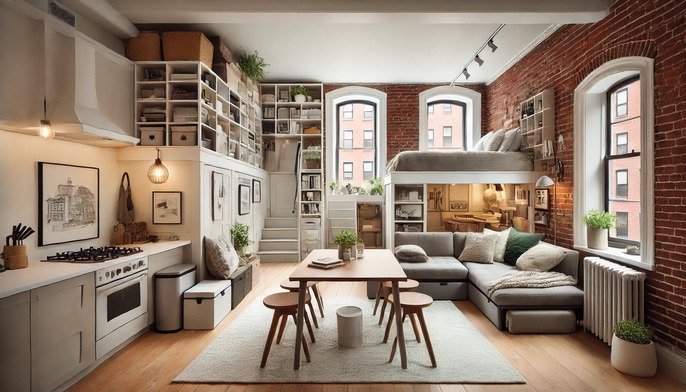
Boston townhouse apartments perfectly blend historic charm and modern urban living. These city homes in places like Beacon Hill let people mix old and new styles. They can keep the home’s history while adding modern touches. Interior design Boston townhouse apartments mixes old and new. Keep historic touches like fireplaces and brick, but add modern comforts for a cozy, stylish home!

Whether fixing up an old townhouse or designing a new space, the goal is to make it valid while keeping it beautiful. From optimizing natural light to creating functional layouts, every detail matters. Explore how greenery in interior design can add a fresh, timeless touch to your space for inspiration on blending old and new. This article explores seven stunning ideas to transform your Boston townhouse apartment into a timeless and modern space.

Embracing Historical Features

Interior Design Boston Townhouse Apartments

One of the most interesting things about Boston townhouse apartments is their old history, shown in their design. Keeping old details like fancy moldings, woodwork, and fireplaces helps the townhouse stay true to its history. These historic elements serve as focal points, adding depth and storytelling to the space.

For example, brick walls and wooden floors never go out of style, making the home feel warm and genuine. When paired with modern furnishings, they create a harmonious blend of old and new. This method, adaptive reuse, keeps the old design but makes the home suitable for modern living.

Keeping these old design details can make a home honoring history and fitting modern life.

Balancing Old and New

Multi-Functional Furniture

Interior design Boston townhouse apartments are about mixing old and new styles. While keeping the townhouse’s old style, adding modern comforts is also essential.

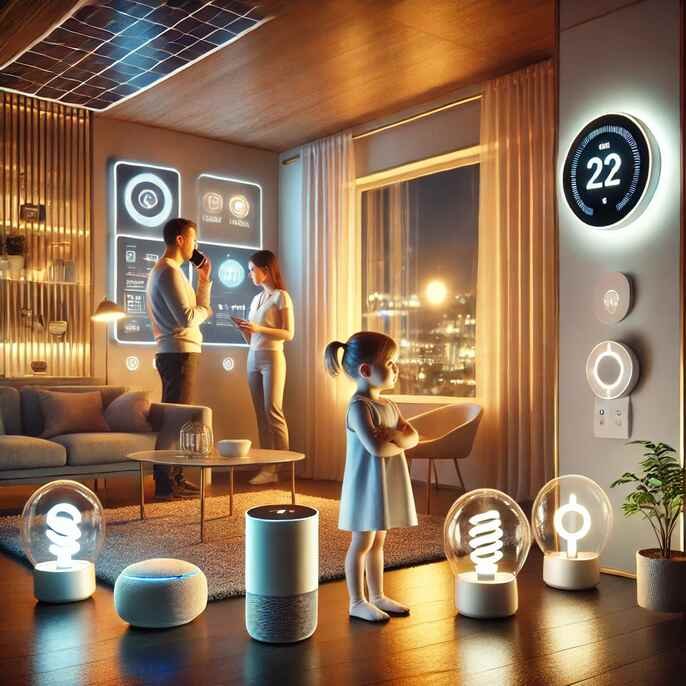
For example, new kitchen appliances can fit well with old cabinets and brick walls. Smart lights and temperature control can work well with the townhouse’s old style. If you’re planning a renovation and need guidance on blending these elements, feel free to reach out to 4433803883 or contact us for expert advice.

This balance keeps the townhouse’s old charm while making it suitable for modern city living.

Maximizing Natural Light

Natural light is crucial in enhancing the ambience of Boston townhouse apartments. Many of these spaces feature tall windows and transom panels, which can be optimized to flood the interiors with sunlight. This shows moldings and fireplaces, making the home feel open and warm.

Consider using light-colored finishes, mirrors, and sheer window treatments to amplify natural light. These elements reflect sunlight, making the space feel larger and more inviting. If you’re unsure how to maximize light in your townhouse, consult a design expert at 3474681916 or contact us for tailored solutions.

Letting in more natural light can make your townhouse bright and cozy, with a mix of old charm and modern comfort.

Functional Layouts for Urban Living

Natural Light and Open Spaces

A good layout is essential for Boston townhouse apartments, which often have small and unique spaces. Thoughtful planning can make these spaces useful and cozy while still looking nice.

A brilliant idea is to use furniture that can be used multiple times, like sofa beds, foldable tables, and storage ottomans. These pieces maximize utility while maintaining a sleek, modern look. Open spaces help connect rooms, making the home look bigger and more put together.

For example, combining the living and dining areas into one space makes the home more valuable and friendly. If you’re fixing up your home and need help using space wisely, ask an expert to ensure it fits your needs.

Functional spaces can make a townhouse apartment stylish and easy to live in.

Personalized Aesthetics

One of the best parts of interior design Boston townhouse apartments is adding your own style to the space. This helps create a home that feels like you while keeping the townhouse’s historic charm.

Choose matching colors that complement the home’s old features, such as brick walls or wooden beams. Light colors make the space feel bigger, while bright accents add personality and energy. Adding art, fabrics, and decorations matching your style can improve the design.

For example, a vintage rug with modern furniture creates a nice mix of old and new styles. If you need ideas, see how wooden home decor can bring classic beauty to your townhouse.

Adding your style lets you make a home that feels special to you while keeping Boston’s historic charm.

FAQs

How can I preserve historical features in my Boston townhouse apartment?

Keeping moldings, fireplaces, and brick helps the townhouse stay special. Get help from experts who fix old homes to keep these features looking great in your design.

What are the best ways to maximize space in a small townhouse apartment?

To optimize space, use multifunctional furniture, such as storage ottomans and foldable tables. Open spaces and smart storage help you use small areas efficiently.

How do I balance modern amenities with historic charm?

Use smart home tech but keep old touches like wooden beams and brick walls. This approach ensures a harmonious blend of old and new.

What color schemes work best for Boston townhouse apartments?

Neutral tones and light colors enhance natural light and create a sense of openness. Bold accents can add personality while maintaining a cohesive flow throughout the space.

Conclusion

Designing Boston townhouse apartments is a great way to mix old styles with new ideas. Keeping old details, adding more light, and using bright layouts can make these homes both old and new.

Whether fixing an old townhouse or updating a modern apartment, the goal is to mix old and new. Choosing colors and decorations you like makes your home unique while keeping Boston’s history. For further inspiration on blending historic and modern design, check out this insightful guide from Architectural Digest on preserving landmark homes. If you’re ready to start your project, don’t hesitate to contact design experts for guidance.

Is Real Estate Hard? A Complete Overview of the Challenges

0

Is real estate hard? A Complete Overview of the Challenges

A career in real estate offers enticing benefits: flexible hours, significant earning potential, and the fulfillment of helping people find their dream homes. Yet, stepping into this industry requires navigating a host of challenges.

If you’ve ever asked, “Is real estate hard?” This guide will provide insight into the realities of the profession, highlighting key challenges and strategies to succeed.

What Is the Most Challenging Aspect of Being a Real Estate Agent?

What Is the Most Challenging Aspect of Being a Real Estate Agent?

Being a real estate agent involves taking on many roles. You’re not just selling homes; you’re also a marketer, negotiator, customer service expert, and legal guide.

A typical day may include preparing listings, staging properties, hosting open houses, managing contracts, and maintaining an online presence.

Another major challenge is the lack of a steady paycheck. Since most agents work on commission, income depends on sales.

For new agents, this often means dealing with financial uncertainty until they establish a steady client base.

Is Real Estate Hard? Is Being a Real Estate Agent Stressful?

Is working as a real estate agent a high-stress job?

Yes, it can be. The irregular hours—often evenings and weekends—are demanding. Real estate agents must adjust to their clients’ schedules, often resulting in long and unpredictable workdays.

Additionally, high-stakes negotiations and market volatility add pressure.

Emotional stress is another factor. Buying or selling a home is a major life event, and clients often project their anxieties onto their agents.

Managing these emotions while maintaining professionalism can be taxing.

What Is the Biggest Challenge in Real Estate?

What Is the Biggest Challenge in Real Estate?

Lead generation and client retention stand out as the most demanding aspects. Building a strong network and consistently attracting clients requires constant effort.

Many agents rely on personal connections, social media, and community involvement to generate leads.

Marketing is essential but time-intensive. Agents must create engaging campaigns, manage social media, and stay active in local events to maintain visibility.

The continuous hustle to secure new clients can feel overwhelming.

What Is the Most Difficult Section of the Real Estate Exam?

redfinz new images

The real estate exam is designed to test not only factual knowledge but also critical thinking about legal principles, real estate practices, and ethical standards. Common challenges include:

  • Complex Questions: The exam often includes tricky wording to assess comprehension.
  • Time Constraints: With numerous questions to answer, pacing is critical.
  • Broad Content: Topics range from property laws to financing, requiring thorough preparation.

Success comes from consistent study, practice exams, and understanding state-specific regulations.

What Is the Hardest Thing About Real Estate?

Market unpredictability poses the greatest challenge. Economic fluctuations, interest rate changes, and local trends can drastically impact demand.

Agents must stay informed and adapt quickly to guide clients effectively.

Work-life balance is another difficulty.

Real estate often demands availability at all hours, leaving little time for personal life.

What Scares Real Estate Agents the Most?

Fear of failure is a common concern. Without guaranteed income, agents worry about slow months and financial strain. Other fears include:

  • Market Downturns: Economic shifts can reduce demand and commission opportunities.
  • Legal Risks: Errors in contracts or ethical lapses can lead to lawsuits or damage reputations.
  • Lead Droughts: A lack of consistent leads can threaten career stability.

How to Overcome These Challenges

How to Overcome These Challenges

Real estate is challenging, but with the right strategies, success is achievable. Here are actionable tips:

  • Invest in Education: Regularly update your skills through courses, workshops, and certifications.
  • Build a Support Network: Collaborate with mentors, peers, and professional organizations to share knowledge and opportunities.
  • Leverage Technology: Use CRM tools to manage leads, automate marketing, and streamline transactions.
  • Set Clear Goals: Break objectives into manageable milestones to track progress and stay motivated.
  • Develop resilience: accept setbacks as learning opportunities and remain adaptable to challenges.

Final Thoughts

real estate

A career in real estate offers both opportunities and challenges. Is real estate hard? Being a real estate agent is a demanding job that requires managing client expectations, market fluctuations, and irregular hours. However, the potential for financial growth and personal fulfillment makes it a rewarding career choice for many.

If you’re considering a career in real estate, it’s crucial to weigh the pros and cons carefully. With determination, strategic planning, and continuous learning, you can overcome challenges and achieve long-term success in this competitive field.

Learn more about property integrity and value in real estate here: Redfinz. For expert insights on the housing market, visit Redfin.

Do ceiling fans use a lot of electricity? 7 shocking facts

0
ceiling fans

Do ceiling fans use a lot of electricity? 7 shocking facts

Introduction

Ceiling fans are common in homes everywhere. They help keep spaces cool and improve air circulation. But many people wonder: Do ceiling fans use lot of electricity? The short answer is no. Ceiling fans are one of the most energy-efficient cooling solutions available.

Ceiling fans consume between 10 and 100 watts of electricity. This depends on size, speed settings, and motor type. This is much lower than air conditioners, which use 500 to 3,500 watts. Running a ceiling fan for 8 hours may cost only a few cents. In contrast, an AC unit could run up to several dollars for the same time.

In this article, we cover ceiling fan energy use. We will look at how much power they consume and share tips to boost their efficiency. If you want to know about ceiling fan wattage or power usage, we can help. To make your bedroom cozy and easy to use, read this guide: How to Make a Bedroom Accessible for Disabled Adults.

Let’s dive in!

How Much Electricity Does a Ceiling Fan Use?

One of the most common questions about ceiling fans is: How much electricity does a ceiling fan use? The answer depends on several factors, including the fan’s size, speed settings, and motor type. A ceiling fan consumes between 10 and 100 watts of power.

A standard 48-inch ceiling fan on high speed uses about 75 watts. Smaller fans or those on low speeds can use only 10 watts. To put this into perspective, a ceiling fan running for 8 hours at 75 watts will consume 0.6 kWh of electricity. The average U.S. electricity rate of $0.13 per kWh costs $0.08 per day or about $2.40 monthly.

Here’s a fast look at ceiling fan electricity use compared to other common home appliances:

Appliance Average Power Usage (Watts) Cost to Run for 8 Hours (at $0.13/kWh)
Ceiling Fan 10 – 100 0.01−0.10
Air Conditioner 500 – 3500 0.52−3.64
Incandescent Light Bulb 60 – 100 W 0.06−0.10
LED Light Bulb 8 – 12 0.01−0.02

As you can see, ceiling fans are among the most energy-efficient appliances in your home. Their low wattage makes them a cost-effective way to stay cool. You won’t have to stress over high energy bills.

Factors Affecting Ceiling Fan Energy Consumption

Affecting Ceiling Fan

Ceiling fans are usually energy-efficient. But, their electricity use can change based on a few factors. Knowing this helps you improve performance and save on energy costs.

  1. Fans with a size of 52 or 56 inches generally consume more electricity than fans of smaller sizes: They also circulate air better, which can lower the need for extra cooling devices.
  2. The speed of a ceiling fan has a direct impact on its power usage: High-speed settings consume more energy, while low-speed settings use a much smaller amount. For example, a fan running at low speed might use only 10-20 watts, compared to 50-100 watts at high speed.
  3. Motor Type: Many ceiling fans today have energy-efficient motors. For example, DC motors can use up to 70% less electricity than older AC motors. If you’re looking to cut ceiling fan energy consumption, investing in a fan with a DC motor is a wise choice.
  4. Usage Duration: How long you run your ceiling fan also plays a role. Leaving it on for hours, especially when no one is in the room, can add up over time. Using a timer or turning it off when not needed helps to save electricity.

Focusing on these factors can help your ceiling fan use less energy and save you money.

Do ceiling fans use lot of electricity compared to A.C.?

Ceiling fans and air conditioners are two popular options for cooling your home. But how do they compare in electricity usage? The answer might surprise you.

A typical ceiling fan uses 10 to 100 watts, depending on size and speed. In contrast, an air conditioner can consume anywhere from 500 to 3,500 watts. This means running an AC unit for one hour can use as much electricity as running a ceiling fan for an entire day!

For example, running a ceiling fan for 8 hours at 75 watts will consume 0.6 kWh of electricity. But, running a 1500-watt AC unit for the same duration will consume 12 kWh—that’s 20 times more energy!

Ceiling Fan Electrical Installation and Wiring

Not possible to remove the adverb. When you install a new fan or replace an old one, it’s important to know the basics of ceiling fan wiring. You also need the right ceiling fan electrical box.

  1. Choosing the Right Electrical Box: Not every electrical box works for ceiling fans. A standard light fixture box may not be strong enough to handle the weight and movement of a ceiling fan. You need a ceiling fan-rated electrical box. It provides extra support and stability.
  2. Wiring Basics: Most ceiling fans include a wiring diagram. This diagram helps you with the installation. Here’s a simplified overview:
    • Black Wire: Connects to the live (hot) wire from your ceiling.
    • White Wire: Connects to the neutral wire.
    • Green or bare wire connects to the ground wire for safety.
    • If your fan has one, the light kit uses the blue wire (if present).
  3. Safety Tips:
    • Always turn off the power at the circuit breaker before starting any electrical work.
    • Use a voltage tester to ensure the wires are not live.
    • If you’re unsure about the wiring, consult a licensed electrician.
  4. Hampton Bay Ceiling Fan Wiring: Installing a Hampton Bay ceiling fan is easy. The wiring diagram is clear and often has simple step-by-step instructions. Follow the manufacturer’s guidelines for a smooth installation.

Install your ceiling fan with precision and use the suitable electrical box. This keeps your fan safe and ensures its efficient operation for years.

Tips to Reduce Ceiling Fan Energy Consumption

Ceiling fans are energy-efficient. But, you can make them even cheaper to run. By following these simple tips, you can cut down on ceiling fan electricity use and save on energy bills.

  1. Choose an energy-efficient fan: Look for ceiling fans with the ENERGY STAR label or DC motors. These fans use up to 70% less electricity than traditional ones. So, they are a great long-term investment.
  2. Adjust Speed Settings: Running your fan at high speed isn’t always necessary. Use lower speeds for mild cooling and higher speeds only when needed. This can lead to a large reduction in ceiling fan energy consumption.
  3. Turn It Off When Not in Use: Unlike air conditioners, ceiling fans cool people, not rooms. Turn the fan off to save energy if no one is in the room.
  4. Use in conjunction with AC: Pairing your ceiling fan with an air conditioner can help you save energy. Set your AC a few degrees higher and let the fan circulate the cool air. This reduces the workload on your AC and lowers electricity usage.
  5. Regular Maintenance: Dust and dirt can make your fan less efficient. Clean the blades on a regular basis and ensure the motor remains in good condition. A fan that is well-maintained operates with efficiency and consumes less energy.
  6. Ensure your fan is set up according to the instructions: Use a ceiling fan-rated electrical box and proper wiring. A secure installation prevents wobbling, which can increase energy consumption.

Take a look at our comparison of gas and electric water heaters for energy-saving tips.

These tips help you enjoy your ceiling fan and save on energy costs.

Common Myths About Ceiling Fan Electricity Usage

Do ceiling fans use a lot of electricity

There are many misconceptions about ceiling fans and their electricity usage. Let’s debunk some of the most common myths to help you make informed decisions.

  1. Myth: Ceiling Fans Use as Much Electricity as Air Conditioners. This is far from true. Ceiling fans use between 10 and 100 watts. In contrast, air conditioners can use 500 to 3,500 watts. Ceiling fans have much higher energy efficiency.
  2. Myth: Leaving a Ceiling Fan On Cools the Room. Ceiling fans don’t cool the air; they create a wind-chill effect that makes you feel cooler. Leaving the fan on is a waste of energy if no one is in the room. Always turn it off when the room is empty.
  3. Myth: Bigger Fans Always Use More Electricity. Larger fans with wider blades might use a bit more energy. But they move air more effectively. This cuts down on the need for extra cooling devices. So, they are a smart option for bigger areas.
  4. Myth: All Ceiling Fans Are Equally Energy-Efficient. Not all fans are created equal. Fans with DC motors or ENERGY STAR labels use much less energy than older models. Investing in a modern, efficient fan can save you money in the long run.
  5. Myth: Ceiling Fans Are Expensive to Run. Ceiling fans are one of the cheapest cooling options to run. Their low wattage makes them a budget-friendly choice for staying comfortable.

Knowing the facts helps you use your ceiling fan better and steer clear of common myths.

Non-electric and affordable ceiling fan options

If you want more energy-saving options, consider alternatives to traditional electric ceiling fans. These options are not only eco-friendly but also budget-friendly.

  1. Non-electric ceiling fans (or hand-cranked fans) help save on electricity. These fans are powered by hand or foot pedals and are ideal for small spaces or off-grid living.
  2. Solar-Powered Ceiling Fans: Solar-powered fans are an excellent choice for eco-conscious homeowners. They use solar panels to generate electricity, reducing your reliance on the grid. While the initial cost may be higher, they can save you money in the long run.
  3. Affordable Electric Fans: Seek budget-friendly models equipped with essential features and energy-efficient motors. Brands like Hampton Bay offer affordable options that don’t compromise on quality.
  4. DIY Ceiling Fan Upgrades: If you own a ceiling fan, consider upgrading its components. Replacing an old AC motor with a DC motor can cut ceiling fan energy use.
  5. Ceiling Fan Add-Ons: You can enhance your fan with accessories. For example, try Decora remote faceplates for outlets. These add-ons improve convenience and add a stylish touch to your fan.

Non-electric fans and affordable electric models help you stay cool. They also save on energy bills.

Conclusion

Ceiling fans are a smart and affordable way to stay cool in hot weather. They use much less electricity than air conditioners. Their average wattage is only 10 to 100 watts. Know your fan size, speed settings, and motor type. This helps you boost performance and cut down on energy bills.

Install ceiling fans in a way that saves electricity. Maintain them often and pick energy-efficient models. Non-electric and solar-powered fans offer eco-friendly methods for energy conservation.

When installing or upgrading a ceiling fan, check the manufacturer’s wiring diagram. Also, use a ceiling fan-rated electrical box for safety. For more energy-saving cooling tips, see this guide from the U.S. Department of Energy.

In summary, ceiling fans are a smart choice for staying cool without breaking the bank. By using the tips in this article, you can save energy and lower your bills.

FAQs About Ceiling Fan Electricity Usage

How much does it cost to run a ceiling fan for 24 hours a day?

Running a ceiling fan 24 hours a day costs less than expected. On average, a ceiling fan uses about 10 to 100 watts. If your fan uses 75 watts, running it for 24 hours would consume 1.8 kWh of electricity. The average U.S. electricity rate is $0.13 per kWh, costing $0.23 per day or about $7 monthly.

Do ceiling fans use very much electricity?

No, manufacturers design ceiling fans to be energy-efficient. They usually use 10 to 100 watts. That’s much less than air conditioners or other cooling devices.

Is it better to constantly leave a ceiling fan on or to turn it off?

It’s better to turn off the ceiling fan when you’re not in the room. Ceiling fans cool people, not rooms, so leaving them on when no one is around wastes energy. Turning them off when not in use can help reduce electricity usage and save on your energy bills.

Is it cheaper to run ceiling fans or air conditioners?

Ceiling fans have a much lower operating cost compared to air conditioners. While a ceiling fan uses 10 to 100 watts, an air conditioner can consume 500 to 3500 watts. Running a ceiling fan instead of an AC can save you a large amount on your energy bills.

Construction Supervision Costs

0
Construction Supervision Costs

Understanding Construction Supervision Costs: A Comprehensive Pricing Guide

Construction supervision is critical to any building project, ensuring everything runs smoothly, safely, and on schedule. But how much does it cost? Construction supervision costs can vary widely depending on the type of project, location, and level of expertise required. Whether you’re managing a residential home build, a commercial property, or a large-scale industrial project, understanding these costs is essential for effective budgeting.

If you’re planning a custom home, check out this guide on the best custom home builders in the US to ensure your project is in good hands. In this guide, we’ll break down everything you need about construction supervision costs, including average fees, factors influencing pricing, and tips to save money without compromising quality.

What Are Construction Supervision Costs?

Construction Supervision Costs

Construction supervision costs refer to the fees charged by professionals who oversee and manage construction projects. These experts ensure the project adheres to timelines, budgets, safety standards, and quality requirements. The cost of supervision can be structured in different ways:

  • Percentage-Based Fees: Construction managers commonly charge between 5% and 15% of the total project cost. For example, if your project costs Five hundred thousand supervision fees could range from $25,000 to $75,000.
  • Hourly Rates: Some supervisors charge by the hour, typically ranging from 75 to 250, depending on their experience and the project’s complexity.
  • Fixed Fees: For smaller or well-defined projects, a flat fee might be agreed upon, often ranging from 50,000 to 300,000 or more.

These costs cover site inspections, progress tracking, subcontractor coordination, and ensuring compliance with building codes. Understanding these fee structures is key to effectively planning your project budget.

Average Construction Supervision Costs in the USA

Average Construction Supervision Costs

When planning a construction project, one of the first questions is: how much will supervision cost? In the USA, construction supervision costs typically range between 5% and 15% of the total project cost. For example, if your project budget is 1 million, you can expect to pay between $50,000 and $150,000 for supervision services.

These costs vary depending on the type of project:

  • Residential Construction Supervision: For home builds or renovations, supervision fees often fall on the lower end of the range (around 5% to 10%).
  • Commercial Construction Oversight: Due to their complexity, commercial projects, such as office buildings or retail spaces, usually incur higher fees (10% to 15%).
  • Industrial Project Management Fees: Large-scale industrial projects, like factories or warehouses, may also fall in the 10% to 15% range, as they require specialized expertise.
  • Infrastructure Project Supervision: Due to strict safety and regulatory requirements, public infrastructure projects, such as roads or bridges, often have supervision costs closer to 15%.

Location also plays a role. Urban areas like New York or Los Angeles tend to have higher supervision rates than rural regions. Understanding these averages helps you set realistic expectations for your project budget.

Factors Affecting Construction Supervision Costs

The cost of overseeing a construction project isn’t fixed—it depends on several factors. Understanding these can help you anticipate and manage your expenses better. Here are the key elements that influence supervision fees:

  • Project Size and Complexity: Larger projects with intricate designs or advanced technology requirements often demand more supervision, leading to higher costs.
  • Location: Urban areas with higher living costs and stricter regulations tend to have steeper project oversight costs than rural regions.
  • Level of Supervision Needed: Some projects require full-time, on-site supervision, while others may only need periodic check-ins. The more intensive the oversight, the higher the fees.
  • Duration of the Project: Longer projects naturally incur higher supervision expenses, requiring extended involvement from the construction manager.
  • Specialized Expertise: Projects like hospitals, laboratories, or industrial facilities may need supervisors with niche skills, which can increase construction management fees.

By evaluating these factors, you can better estimate your project’s supervision costs and avoid unexpected expenses.

Cost Breakdown by Fee Structure

Cost Breakdown

Understanding how construction supervision costs are structured is crucial for budgeting. Here’s a detailed look at the three most common fee models:

  • Percentage-Based Fees: This is the most popular pricing model, where supervisors charge a percentage of the total project cost. Typically, this ranges from 5% to 15%. For instance, if your project costs 500,000, supervision fees could be between $25,000 and $75,000.
  • Hourly Rates: Some professionals charge by the hour, with rates typically ranging from 75 to 250. This model is common for smaller projects or when only partial oversight is needed.
  • Fixed Fees: For well-defined projects, a flat fee might be agreed upon. These fees usually range from 50,000 to 300,000 or more, depending on the project’s scope and duration.

Some projects may involve cost-per-square-foot calculations, especially in residential or commercial builds. For example, supervision might cost 2 to 5 per square foot for a standard home renovation.

By understanding these structures, you can choose the most cost-effective option for your project.

How to Calculate Construction Supervision Costs

Calculating construction supervision costs doesn’t have to be complicated. Here’s a simple step-by-step guide to help you estimate these expenses for your project:

  • Determine the Total Project Cost: Calculate the overall budget for your project, including materials, labor, permits, and other expenses.
  • Choose a Fee Structure: Decide whether you’ll use a percentage-based, hourly, or fixed-fee model. For example, if your project costs 1 million and opt for 10100,000.
  • Factor in Project Type: Residential projects typically have lower supervision fees (5% to 10%), while commercial or industrial projects may range from 10% to 15%.
  • Consider Location and Complexity: Urban projects or those requiring specialized expertise may incur higher costs. Adjust your estimates accordingly.
  • Get Multiple Quotes: Contact several construction managers or firms to compare their rates and services. This will help you find the best value for your budget.

By following these steps, you can accurately estimate supervision expenses and avoid surprises.

Tips to Reduce Construction Supervision Costs

Tips for Construction Supervision Costs

While construction oversight fees are a necessary part of any project, there are ways to manage and reduce these expenses without compromising quality. Here are some practical tips:

  • Hire Experienced Professionals: Skilled construction managers may charge higher rates, but their expertise can prevent costly mistakes and delays, saving you money in the long run.
  • Streamline Communication: Clear and efficient communication between all parties (contractors, supervisors, and clients) can reduce the time needed for supervision and lower hourly or fixed fees.
  • Use Technology: Project management software and tools can help track progress, manage budgets, and reduce the need for constant on-site supervision.
  • Negotiate Fees: Don’t hesitate to discuss rates with your construction manager. Many are willing to adjust their fees, especially for long-term or large-scale projects.
  • Plan Thoroughly: A well-defined project plan with clear timelines and goals can minimize unexpected issues, reducing the need for additional supervision.

By implementing these strategies, you can optimize project oversight costs and keep your budget on track.

Construction Supervision Costs by Location

Where your project is located can significantly impact supervision expenses. Here’s a breakdown of how location influences costs:

  • Urban Areas: Construction oversight fees in cities like New York, Los Angeles, or Chicago tend to be higher due to increased labor costs, stricter regulations, and higher living expenses. For example, supervision rates in urban areas can range from 10% to 15% of the total project cost.
  • Rural Areas: Supervision costs are often lower in smaller towns or rural regions, typically ranging from 5% to 10%. This is because labor and operational costs are generally more affordable.
  • Regional Variations: For instance, Texas construction management fees might be lower than in states like California or New York. Similarly, project supervision pricing in Georgia could be more budget-friendly than in densely populated urban centers.

When planning your project, consider these regional differences to set a realistic budget. If you’re working on a residential project, consider exploring tips for remodeling a small bathroom to save on costs.

Frequently Asked Questions (FAQs)

What is the supervision cost in construction?

The supervision cost in construction refers to the fees charged by professionals who oversee and manage a project. Depending on the project size, complexity, and location, these costs typically range from 5% to 15% of the total project budget.

What is a typical construction project management fee?

A typical construction project management fee is usually between 5% and 15% of the total project cost. For example, if your project costs 500,000, the management fee could range from $25,000 to $75,000.

What is the supervisor’s cost?

Supervisor cost refers to the expenses associated with hiring a construction supervisor to oversee a project. This can include hourly rates (e.g. 75 to 250 per hour), fixed fees, or percentage-based charges.

How much does it cost to start a construction company in the USA?

Starting a construction company in the USA can cost anywhere from 10,000 to 50,000 or more, depending on factors like licensing, equipment, insurance, and initial project investments. Supervision and management fees will also be part of your ongoing operational costs.

Conclusion

Understanding construction supervision costs is essential for anyone planning a building project, whether residential, commercial, or industrial. These costs typically range from 5% to 15% of the total project budget and can vary based on project size, location, and complexity. You can effectively manage and reduce these expenses by choosing the proper fee structure, negotiating rates, and leveraging technology.

If you’re looking for a trusted partner for your construction project, consider Turner Construction Company, one of the leading construction management firms in the USA. Proper planning and budgeting for supervision costs will ensure your project runs smoothly, stays on schedule, and meets quality standards.

Gas vs Electric Water Heater

0
Gas vs Electric Water Heater

Gas vs. Electric Water Heaters: Key Differences and How to Choose the Best Option

Choosing between a gas vs electric water heater can be challenging for homeowners. Both options have pros and cons, and the best choice depends on your household’s needs, budget, and local energy costs. Gas water heaters are known for their fast heating and lower operating costs, while electric water heaters are safer and easier to install. In this article, we’ll break down each type’s key differences, advantages, and disadvantages to help you make an informed decision.

Whether building a new home or replacing an old unit, understanding these options will ensure you pick the right water heater for your family. For more tips on home improvement, check out How to Make a Bedroom Accessible for Disabled Adults.

Key Differences Between Gas and Electric Water Heaters

When comparing gas vs electric water heaters, it’s essential to understand the key differences that set them apart. These differences include heating speed, energy costs, safety, and maintenance requirements. Let’s dive into these factors to help you decide which option suits your home best.

Heating Speed

Gas water heaters are known for their fast heating speed. They can heat water much quicker than electric models, so you’ll have hot water ready quickly. This is especially useful for larger households or homes with high hot water demand. On the other hand, electric water heaters take longer to heat water, which can be a drawback if you need hot water frequently throughout the day.

Energy Cost

The energy cost of running a water heater depends on your local utility rates. Gas water heaters are often cheaper to operate in areas where natural gas is affordable. However, electric water heaters may be more cost-effective in regions with lower electricity prices.  It’s also worth noting that gas models typically have higher upfront installation costs, while electric units are generally cheaper to install.

Safety

When it comes to safety, electric water heaters have the upper hand. They don’t produce carbon monoxide or pose the risk of gas leaks, making them a safer option for many households. Gas water heaters, while efficient, require proper ventilation to prevent carbon monoxide buildup. Regular maintenance is essential to ensure safe operation.

Maintenance

Both gas and electric water heaters require maintenance, but gas models require extra attention. To avoid safety hazards, gas water heaters must be checked for proper venting and gas line integrity. Electric water heaters are simpler to maintain but may require occasional element replacements.

Pros and Cons of Gas Water Heaters

Gas Water Heaters

Gas water heaters are popular for many homeowners due to their efficiency and performance. However, like any appliance, they come with their own set of advantages and disadvantages. Let’s explore the pros and cons of gas water heaters to help you decide if they fit your home.

Pros of Gas Water Heaters

  • Faster Heating Time: Gas water heaters heat water much quicker than electric models, making them ideal for households with high hot water demand.
  • Lower Operating Costs: Gas water heaters can be cheaper than electric units in areas where natural gas is affordable.
  • Continuous Hot Water Supply: Gas models provide a steady flow of hot water, even during peak usage times.

Cons of Gas Water Heaters

  • Safety Risks: If not properly maintained or vented, gas water heaters pose risks such as gas leaks and carbon monoxide poisoning.
  • Higher Installation Costs: The upfront cost of installing a gas water heater is typically higher than an electric one.
  • Maintenance Requirements: Gas units require regular checks for venting and gas line integrity, adding to their maintenance complexity.

Pros and Cons of Electric Water Heaters

Electric water heaters are a reliable and safe option for many households. They are easy to install and maintain, but they also have advantages and disadvantages. Let’s examine the pros and cons of electric water heaters to help you determine if they’re the right choice for your home.

Pros of Electric Water Heaters

  • Safety: Electric water heaters are safer than gas models because they don’t produce carbon monoxide or pose the risk of gas leaks.
  • Ease of Installation: Electric units are generally easier and cheaper since they don’t require gas lines or venting systems.
  • Energy Efficiency: Electric water heaters can be more energy-efficient and cost-effective to operate in regions with lower electricity costs.

Cons of Electric Water Heaters

  • Slower Heating Time: Electric water heaters take longer to heat water compared to gas models, which can be inconvenient for larger households.
  • Higher Operating Costs: Electric water heaters can be more expensive in areas with high electricity prices.
  • Limited Hot Water Supply: Electric units may struggle to meet high hot water demands, especially during peak usage.

Factors to Consider When Choosing Between Gas and Electric Water Heaters

Choosing between a gas vs electric water heater depends on several factors, including your household’s needs, budget, and local energy costs. Here are the key considerations to help you make the best decision for your home.

Local Energy Costs

Operating a water heater largely depends on the price of natural gas and electricity in your area. If natural gas is cheaper where you live, a gas water heater might save you money in the long run. On the other hand, an electric water heater could be the better choice if electricity is more affordable. Be sure to compare utility rates before making a decision.

Hot Water Usage

Consider your household’s hot water needs. If you have a large family or use hot water daily, a gas water heater might be more suitable due to its faster heating and continuous supply. An electric water heater could be sufficient and more cost-effective for smaller households with lower hot water demand.

Safety Concerns

Safety is critical, especially if you have young children or elderly family members. Electric water heaters are generally safer because they don’t produce carbon monoxide or pose gas leak risks. However, if you choose a gas water heater, ensure it’s properly installed and vented to minimize safety hazards.

Installation and Maintenance

Think about the installation process and ongoing maintenance. Electric water heaters are easier and cheaper to install, while gas water heaters require gas lines and venting systems, which can increase upfront costs. Additionally, gas units need regular maintenance to ensure safe and efficient operation.

Gas vs Electric Tankless Water Heaters

Gas vs Electric Water Heater

Tankless water heaters are becoming increasingly popular due to their energy efficiency and on-demand hot water supply. Like traditional models, they come in both gas and electric options. Let’s compare gas vs electric tankless water heaters to help you decide which one is right for your home.

Gas Tankless Water Heaters

Gas tankless water heaters are known for their high performance and ability to provide hot water instantly, even during peak usage. They are ideal for larger households with high hot water demands. However, they require proper venting and gas lines, which can increase installation costs. Additionally, they may have higher operating costs depending on local gas prices.

Electric Tankless Water Heaters

Electric tankless water heaters are compact, easy to install, and don’t require venting or gas lines. They are an excellent option for smaller households or homes with limited space. However, they may struggle to meet high hot water demands, especially in colder climates where water takes longer to heat. Additionally, their operating costs can be higher in areas with expensive electricity.

Which is Better: Gas or Electric Tankless?

The choice between gas and electric tankless water heaters depends on your household’s needs and local energy costs. A gas tankless water heater might be the better option if you have a large family and need a continuous hot water supply. An electric tankless water heater could suit smaller households or those looking for a more straightforward installation process.

Environmental Impact

When choosing between a gas vs electric water heater, it’s essential to consider the environmental impact of each option. Both types have their ecological pros and cons, and your choice can affect your carbon footprint and energy efficiency. Let’s explore the environmental aspects of gas and electric water heaters.

Gas Water Heaters and the Environment

Gas water heaters rely on natural gas or propane, which are fossil fuels. Burning these fuels releases carbon dioxide (CO2) and other greenhouse gases into the atmosphere, contributing to climate change.

However, modern gas water heaters are more energy-efficient than older models, which helps reduce their environmental impact. Consider a high-efficiency gas model or explore renewable natural gas options if you’re concerned about emissions.

Electric Water Heaters and the Environment

Electric water heaters are often considered more environmentally friendly because they don’t produce direct emissions. However, their environmental impact depends on the source of your electricity. If your electricity comes from renewable energy sources like solar or wind, an electric water heater can be a very eco-friendly choice. On the other hand, if your electricity is generated from coal or natural gas, the indirect emissions can still be significant.

Which is Greener: Gas or Electric?

The environmental friendliness of your water heater depends on several factors, including your local energy mix and the unit’s efficiency. An electric water heater is likely the greener choice if you can access renewable energy. However, if you’re in an area where natural gas is the primary energy source, a high-efficiency gas water heater might be more sustainable.

Frequently Asked Questions (FAQs)

Here are some common questions about gas vs electric water heaters to help you better understand the differences and make an informed decision.

Which is Better: an Electric or Gas Water Heater?

The answer depends on your household’s needs and local energy costs. Gas water heaters are better for larger families with high hot water demand due to their faster heating and lower operating costs in many areas. Electric water heaters are safer, easier to install, and more energy-efficient in regions with affordable electricity.

Is gas or electricity better for heating water?

Gas is generally better for heating water quickly and efficiently, especially in areas where natural gas is affordable. However, electricity can be a better option if your electricity comes from renewable sources or you prioritize safety and ease of installation.

What is the Disadvantage of Gas Water?

The main disadvantages of gas water heaters are their higher installation costs, the risk of gas leaks, and the need for proper venting to prevent carbon monoxide buildup. They also require more maintenance compared to electric models.

Gas or Electric Water Heater: Which Should I Choose?

A gas water heater might be the better choice if you have a large household and need a continuous hot water supply. An electric water heater could be more suitable for smaller families or those prioritizing safety and ease of installation. Consider your local energy costs and environmental preferences as well.

Conclusion

Choosing between a gas vs electric water heater is an important decision that depends on your household’s needs, budget, and local energy costs. Gas water heaters are known for their fast heating speed and lower operating costs in many areas, making them ideal for larger households with high hot water demand.

On the other hand, electric water heaters are safer, easier to install, and more energy-efficient in regions with affordable electricity, making them an excellent choice for smaller homes or those prioritizing safety. Consider factors like installation costs, maintenance requirements, and environmental impact when deciding.

If you’re unsure, consult a professional to assess your home’s needs. For more insights on home systems, check out Why Use a Reducer Fitting on a Plumbing System. For more tips on home improvement and maintenance, visit This Old House. Ultimately, whether you choose a gas or electric water heater, the right choice will ensure your home has a reliable and efficient hot water supply for years.

Lamona Appliances

0
Lamona Appliances

Lamona Appliances: 10 Best Tips for Peak Performance

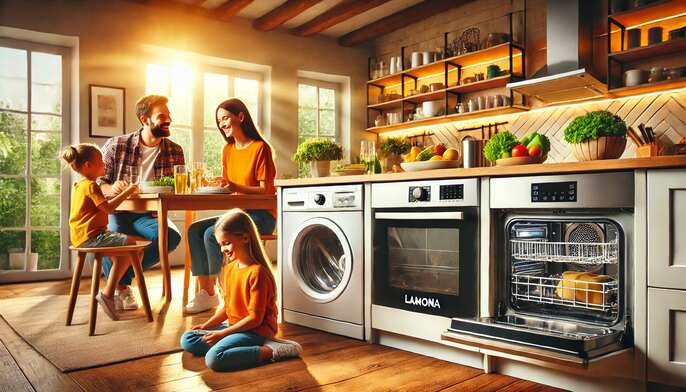
Lamona Appliances are like the superheroes of your kitchen and laundry room! They help you cook yummy food, clean dirty dishes, and wash your clothes. Lamona makes ovens, dishwashers, and washing machines that are easy to use and look cool.

But sometimes, these appliances can be a little tricky. Maybe you don’t understand the symbols on your oven, or your dishwasher won’t drain. Don’t worry! This guide will teach you everything you need to know about your Lamona appliances.

We’ll show you how to use them, fix common problems, and keep them working like new. By the end, you’ll be a Lamona expert! Let’s get started!

Lamona Ovens: Your Ultimate Guide

Lamona Ovens

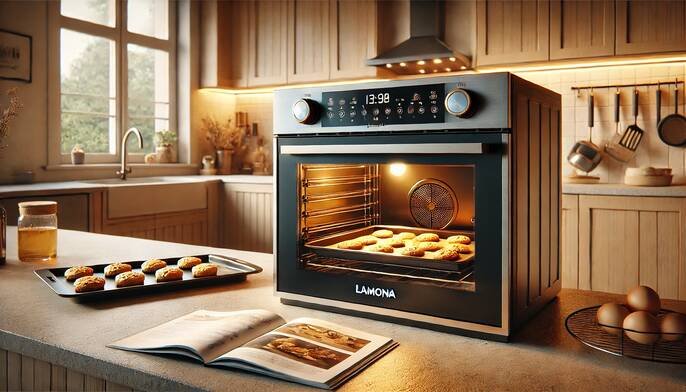
Lamona ovens are amazing helpers in the kitchen! They can bake, grill, and roast your favorite foods. But to use them like a pro, you need to understand how they work. Let’s break it down step by step.

Understanding Lamona Oven Symbols

Lamona ovens have symbols that tell you what they can do. For example, a fan symbol means the oven blows hot air around to cook food evenly. A grill symbol means the top part of the oven gets super hot for grilling.

Sometimes, these symbols can rub off or be hard to understand. If that happens, don’t worry! You can check the Lamona oven manual or look online for a guide. Knowing what each symbol means will help you cook like a pro!

How to Use Your Lamona Oven Efficiently

Using your Lamona oven is easy! First, set the clock so the oven knows what time it is. Then, choose the temperature and mode you want. For example, if baking cookies, you might use the fan mode at 180°C.

If your oven says “stop” or won’t heat up, it might need a quick fix. Check if the door is closed properly or if the timer is set correctly. Most problems are easy to solve once you know what to look for!

Lamona Oven Manuals and User Guides

Every Lamona oven comes with a manual that explains how to use it. This little book is like a treasure map—it shows you how to set the clock, change the temperature, and clean the oven.

If you lose the manual, you can find it online. Just search for “Lamona oven manual” and your oven’s model number. The manual will help you keep your oven working perfectly for years!

Lamona Dishwashers: Simplifying Your Life

Lamona Dishwashers

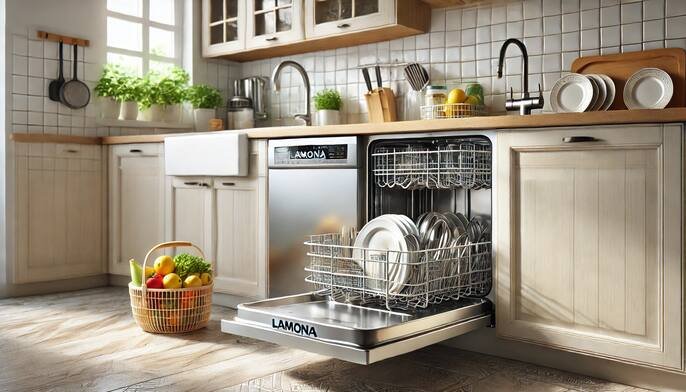
Lamona dishwashers are like magic boxes that clean your dirty dishes while you relax! But to make the most of them, you need to know how they work. Let’s explore everything you need to know about your Lamona dishwasher.

Decoding Lamona Dishwasher Symbols

Lamona dishwashers have symbols that tell you what settings to use. For example, an eco symbol means the dishwasher will use less water and energy. A plate with water drops means it’s time to add rinse aid, which helps your dishes dry faster.

If you’re not sure what a symbol means, check the Lamona dishwasher manual. It’s like a cheat sheet for your dishwasher! For more tips on keeping your kitchen clean, check out this guide on How to Clean Painted Kitchen Cupboards.

Troubleshooting Common Lamona Dishwasher Problems

Sometimes, your dishwasher might act up. For example, it might not drain or show an error code like E01. Don’t panic! Most problems are easy to fix.

If your dishwasher won’t drain, check if the filter is clogged. If it shows an error code, turn it off and on again. If that doesn’t work, the manual will have tips to help you fix it.

Lamona Dishwasher Manuals and Maintenance Tips

Your Lamona dishwasher comes with a manual that explains how to use and care for it. It tells you how to load dishes, choose the right cycle, and clean the filter.

To keep your dishwasher working well, clean the filter every week and add salt and rinse aid when needed. A little care goes a long way! For more ideas on organizing your kitchen, check out this guide on Fixtures Interior Design Plan.

Lamona Washing Machines: Making Laundry Fun!

Lamona Washing Machines

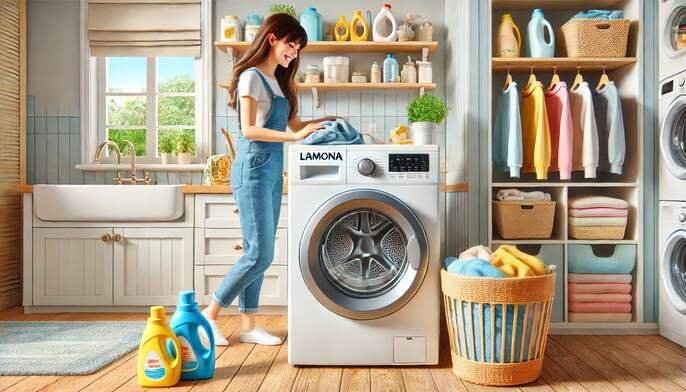
Lamona washing machines are here to make laundry day easy and fun! They clean your clothes quickly and keep them smelling fresh. But to get the best results, you need to know how to use them properly. Let’s dive in!

Understanding Lamona Washing Machine Symbols

Lamona washing machines have symbols that tell you what settings to use. For example, a bucket with water means the wash cycle, and a spiral means the spin cycle. These symbols help you choose the right program for your clothes.

If you’re not sure what a symbol means, check the Lamona washing machine manual. It’s like a guidebook for your washing machine!

Troubleshooting Lamona Washing Machine Issues

Sometimes, your washing machine might have problems. For example, it might not spin or leak water. Don’t worry—most issues are easy to fix!

If your machine won’t spin, check if the load is too heavy or uneven. If it’s leaking, make sure the door is closed properly and the hose isn’t blocked.

Lamona Washing Machine Manuals and User Guides

Your Lamona washing machine comes with a manual that explains how to use it. It tells you how to choose the right cycle, add detergent, and clean the machine.

To keep your washing machine working well, clean the detergent drawer and filter regularly. A little care can make a big difference!

Lamona Spare Parts and Maintenance

Lamona Spare Parts

Taking care of your Lamona appliances is important to keep them working well for years. From finding spare parts to simple maintenance tips, here’s everything you need to know.

Where to Find Genuine Lamona Spare Parts

If a part of your Lamona appliance breaks, you’ll need to replace it. For example, you might need a new oven element or dishwasher filter. Always use genuine Lamona spare parts to make sure your appliance works perfectly.

You can find these parts online or at stores that sell Lamona appliances. Just make sure to check the model number of your appliance before buying.

DIY Maintenance Tips for Lamona Appliances

Regular maintenance can help your Lamona appliances last longer. Here are some easy tips:

  • Clean the oven regularly to remove grease and food spills.
  • Check the dishwasher filter every week and clean it if it’s dirty.
  • Wipe the washing machine door seal to prevent mold and bad smells.

A little effort can save you from big repair bills later!

Common Lamona Spare Parts and Their Uses

Here’s a handy table to help you understand common Lamona spare parts and what they do:

Spare Part Used In Purpose
Oven Element Lamona Oven Element Heats the oven for baking and roasting
Dishwasher Filter Lamona Dishwasher Traps food particles to keep the dishwasher clean
Washing Machine Door Seal Lamona Washing Machine Prevents leaks and keeps the machine watertight
Oven Light Bulb Lamona Oven Lights up the oven interior for better visibility
Dishwasher Spray Arm Lamona Dishwasher Sprays water to clean dishes effectively

Why Choose Lamona Appliances?

Lamona Appliances

Lamona appliances are like the superheroes of your home! They’re designed to make your life easier, whether you’re cooking, cleaning dishes, or doing laundry. But what makes them so special? Let’s find out!

Affordable and Stylish

Lamona appliances are not only affordable but also look super cool in your kitchen or laundry room. They come in sleek designs and modern colors that match any home style.

Easy to Use

Lamona appliances are made to be user-friendly. The symbols and buttons are easy to understand, and the manuals are simple to follow. Even if you’re using them for the first time, you’ll feel like a pro!

Reliable and Durable

Lamona appliances are built to last. They’re made with high-quality materials and tested to work perfectly for years. Plus, they come with a 2-year warranty, so you’re covered if anything goes wrong.

FAQs About Lamona Appliances

Do you have questions about Lamona appliances? Don’t worry—we’ve got answers! Here are some common questions people ask about Lamona products.

Who are Lamona appliances made by?

Lamona appliances are made by Arçelik, a leading Turkish company known for high-quality home appliances. They’re exclusive to Howdens, a UK-based kitchen supplier.

Are Lamona appliances any good?

Yes! Lamona appliances are known for being affordable, stylish, and reliable. Many customers love how easy they are to use and how well they perform.

Are Beko and Lamona the same brand?

Lamona and Beko are sister brands under the Arçelik umbrella. They share similar technology and manufacturing standards, but Lamona is exclusive to Howdens.

How long is the Lamona warranty?

Lamona appliances come with a 2-year warranty. This means if anything goes wrong within two years, you can get it fixed or replaced for free.

Conclusion

Lamona appliances are here to make your life easier! Whether it’s baking cookies in your Lamona oven, cleaning dishes in your Lamona dishwasher, or washing clothes in your Lamona washing machine, these appliances are designed to work hard for you.

By understanding the symbols, following the manuals, and doing regular maintenance, you can keep your Lamona appliances running smoothly for years. If you’re looking to upgrade your kitchen, check out the latest Lamona ovens at Howdens Lamona Ovens.

Have more questions about your Lamona appliances? Share them in the comments below!

Jami Gertz: Luxury Lifestyle and Elegant Interior Design Inspiration

0
Jami Gertz Luxury Lifestyle and Elegant Interior Design Inspiration

Jami Gertz: From Hollywood Star to NBA Stakeholder

Jami Gertz started in sitcoms like Square Pegs and films like Twister and The Lost Boys. But her real money came after Hollywood. She married Tony Ressler, co-founder of Ares Management, and together they bought a minority stake in the Atlanta Hawks. Gertz moved from acting to business, building serious net worth through smart investments, not screen time.

Who Is Jami Gertz?

Jami Gertz made her mark as an American actress in the 1980s. She starred in cult hits like The Lost Boys, Square Pegs, and Sixteen Candles. Over the years, she built a solid career with roles in both film and television.

Partner to a Business Leader

Off-screen, Jami is married to Tony Ressler, co-founder of Ares Management, a major private equity firm. Together, they hold a minority stake in the NBA team, the Atlanta Hawks, combining entertainment with sports and business.

Balancing Family and Business

Beyond Hollywood and finance, Jami is a mother who balances family life with her evolving role in business. Her story goes beyond acting — it’s about building a lasting legacy through smart investments.

Early Roles That Made Her Known

Jami Gertz first caught attention with the CBS sitcom Square Pegs. She soon landed roles in classic films like Sixteen Candles, The Lost Boys, Twister, and Jersey Girl. These projects shaped her early career and made her a recognizable face in Hollywood.

Versatile Film Roles

Over the years, Gertz took on a variety of roles in movies and television. Her film work spanned from teen comedies to action-packed thrillers, showcasing her range and steady presence on screen.

Sitcoms and Guest Appearances

On TV, Jami appeared in popular shows like Ally McBeal and had a recurring role as Judy Miller on Still Standing. These guest spots kept her connected to television audiences while balancing other projects.

Jami Gertz and Tony Ressler: Hollywood Meets High Finance

Jami Gertz and Tony Ressler Hollywood Meets High Finance

How They Met

Jami Gertz met Tony Ressler in the late 1980s. At that time, Jami was making waves in Hollywood with roles in The Lost Boys and Sixteen Candles. Tony was building his career in finance, soon to co-found Ares Management. Despite their different worlds, they connected and married in 1989. Jami was already independent, having paid for their first house and first vacation together.

Tony Ressler: From Finance to NBA

Tony Ressler co-founded the private equity firm Ares Management, now managing billions in assets. He holds a significant share of the business and led the purchase of the Atlanta Hawks, an NBA team based in Atlanta, for $850 million in 2015. His net worth is estimated at over $12 billion, thanks to his success in business, real estate, and NBA profits.

Family Life and Shared Ventures

Jami and Tony have three boys: Oliver, Nicholas, and Theo. The generous couple supports charity and local institutions like the county medical center and museum. Jami also runs Lime Orchard Productions, producing films beyond her Hollywood acting career. Their story blends family, business, and Hollywood, creating a unique legacy.

The Atlanta Hawks Connection

Jami Gertz and Tony Ressler hold a minority stake in the NBA team, the Atlanta Hawks. While Tony is the majority owner, Jami’s involvement goes beyond just investment.

The couple often attends games, showing real passion for the team and community. Behind the scenes, ownership means more than money—it’s about management decisions, team direction, and supporting the Hawks’ growth in Atlanta.

Jami Gertz’s Net Worth

Jami Gertz is often named one of the richest actresses in the world, with an estimated net worth between $8 billion and $12 billion. But acting didn’t make her a billionaire. Her early work in Twister, The Lost Boys, and Square Pegs gave her a solid Hollywood start, but most of her wealth comes from business.

Conclusion: The Lasting Legacy of Jami Gertz’s Design Vision

Jami Gertz’s homes stand as perfect examples of how luxury living spaces can blend sophistication with genuine comfort. Though her $3 billion net worth allows her access to the finest materials and designs, her approach to home design remains remarkably practical and adaptable.

Rather than focusing solely on opulence, Jami Gertz’s homes showcase thoughtful elements like natural light maximization, neutral color schemes, and versatile living spaces that work together harmoniously. Her design choices, from the 50-foot infinity pool to the carefully curated indoor sanctuaries, prove that true luxury lies in creating spaces that feel both elegant and livable.

While few can match the scale of the Jim Gertz Beverly Hills home, her design principles remain achievable for any home. Strategic investments in quality materials, thoughtful space planning, and careful attention to natural light can transform ordinary rooms into extraordinary living spaces. Whether working with a modest budget or planning a complete luxury renovation, these timeless design elements offer lasting value and beauty that transcend mere trends.

FAQs

Q1. Where does Jami Gertz currently reside?

Jami Gertz resides in a magnificent 11,000-square-foot Beverly Hills estate. The property is located in the exclusive Beverly Park neighborhood and is valued at approximately $60 million.

Q2. Who is Jami Gertz married to?

Jami Gertz’s husband is Tony Ressler. They have three sons, Oliver, Nicholas, and Theo. The couple is also known for owning the Atlanta Hawks Basketball Team.

Q3. What are some key design elements in Jami Gertz’s homes?

Jami Gertz homes maximize natural light through floor-to-ceiling windows, use neutral color palettes with strategic accent pieces, mix high-end luxury and comfortable livability, and feature distinctive architectural features like wide-plank French oak floors and exposed wooden beams.

Q4. How does Jami Gertz incorporate outdoor living into her properties?

The Jami Gertz house’s outdoor spaces include a 50-foot infinity-edge pool, natural stone decking, drought-resistant Mediterranean landscaping, and various “outdoor rooms” such as a covered patio, meditation garden, and fully equipped outdoor kitchen for entertaining.

Q5. Can Jami Gertz’s luxury style be recreated on a budget?

Yes, elements of Jami Gertz’s luxury design can be recreated on a budget. This can be achieved through strategic investments in key pieces, using budget-friendly alternatives like paint and wallpaper, and incorporating DIY projects inspired by her home aesthetic, such as custom lighting and creative wall decor.

Q6. What is Jami Gertz’s net worth in 2024?

Jami Gertz’s net worth in 2024 is estimated at $3 billion, making her one of Hollywood’s wealthiest figures. This wealth comes from her successful acting career, her marriage to billionaire Tony Ressler, and their various business ventures and investments.

Q7. What are some notable Jami Gertz movies and TV shows?

Notable Jami Gertz movies and TV shows include “The Lost Boys” (1987), “Less Than Zero” (1987), “Twister” (1996), and “Still Standing” (TV series, 2002-2006), as well as guest appearances on shows like “Seinfeld” and “Modern Family.”

For more home interior design inspiration, explore these articles:

Purple Two Colour Combination for Bedroom Walls

0
Purple Two Colour Combination for Bedroom Walls

Purple Two Unique Colour Combination for Bedroom Walls: 10 Ideas

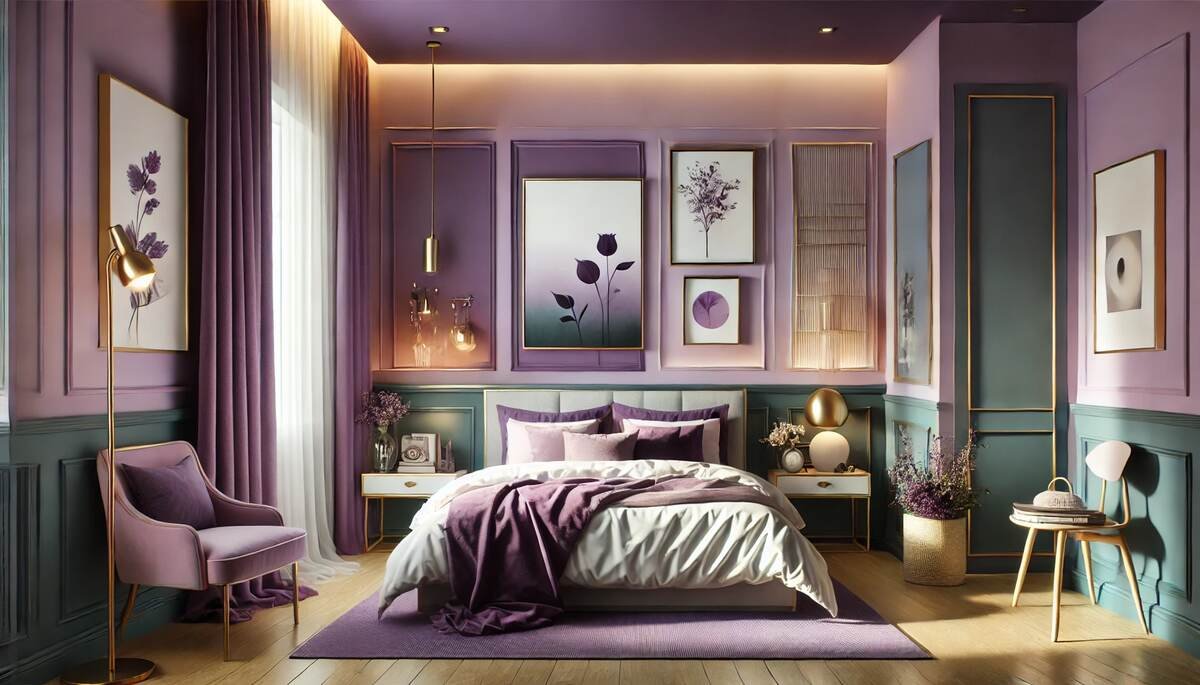
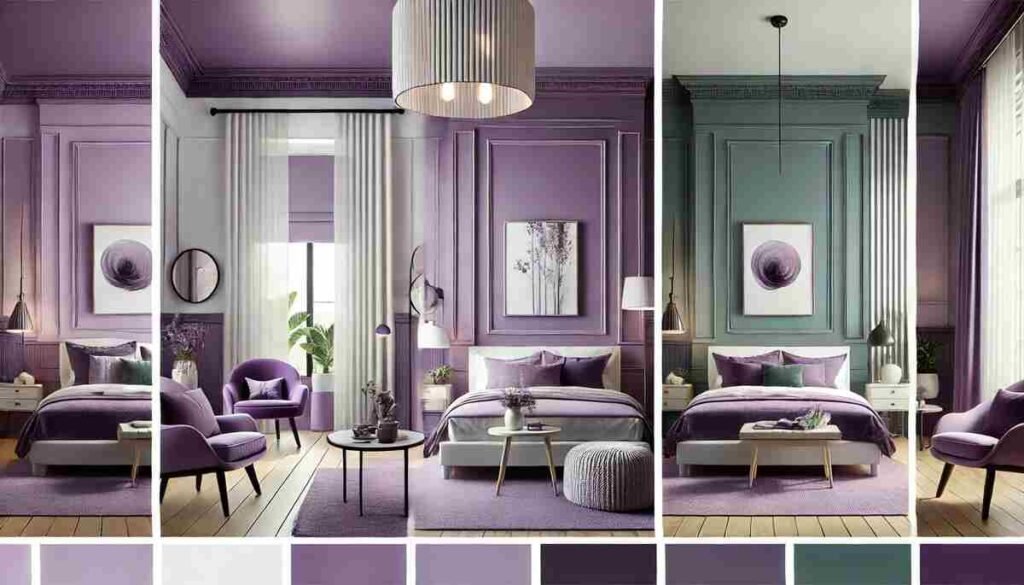
Are you dreaming of a bedroom that feels cozy, stylish, and full of personality? Look no further than the purple two colour combination for bedroom walls! Purple is a magical colour that can make your bedroom feel calm, luxurious, and creative. Whether you love light lavender or deep plum, purple pairs beautifully with other colours to create a stunning look.

Choosing the right colour combination is like creating a masterpiece. Just like achieving radial balance in interior design (source: Radial Balance in Interior Design), the right mix of colours can make your bedroom feel balanced and inviting. This article will explore 10 fantastic ideas for purple bedroom walls, from soft pastels to bold shades. You’ll also learn how to decorate your space with purple curtains, wallpaper, and more.

Ready to transform your bedroom into a dreamy retreat? Let’s dive into the world of purple two colour combinations and find the perfect look for you!

Why Choose Purple for Bedroom Walls?

Purple Two Colour Combination for Bedroom Walls

Purple is a versatile and beautiful colour that can transform any bedroom into a cozy and stylish space. Whether you’re looking for a purple bedroom that feels calming or bold and vibrant, there’s a shade of purple for everyone. Purple offers endless possibilities, from light purple bedroom ideas to deep plum and beige bedroom wall paint combinations.

One of the best things about purple is how well it pairs with other colours. For example, a pink and purple bedroom combination creates a playful and dreamy vibe, perfect for a girl’s room. On the other hand, a blue and purple two colour combination for bedroom walls brings a calm and serene atmosphere. If you want something modern, try a purple and grey bedroom wall design or a purple and teal bedroom wall colour scheme.

Purple also works wonderfully with neutral tones. A purple and white bedroom idea feels clean and elegant, while a lavender and charcoal grey bedroom wall inspiration adds a touch of sophistication. For a luxurious look, consider deep purple and gold bedroom wall designs or purple and silver bedroom wall accents.

No matter your style, purple can make your bedroom feel special. Whether you choose purple paint, wallpaper, or curtains, this colour will bring warmth and personality to your space.

Top Purple Two-Colour Combinations for Bedroom Walls

Collage of purple two-colour bedroom walls, featuring combinations like purple and white, purple and teal, and purple and grey for modern and stylish designs

Choosing the right purple two colour combination for bedroom walls can make your space feel cozy, stylish, and unique. Here are 10 stunning ideas to inspire you:

Purple and White: Classic Elegance

A purple and white bedroom idea is timeless and elegant. White balances the boldness of purple, creating a clean and modern look. Add purple and white curtains or light purple wallpaper for bedrooms to complete the design.

Pink and Purple: Dreamy and Playful

Try a pink and purple bedroom combination for a fun and feminine vibe. This pairing is perfect for a girl’s room or anyone who loves a playful atmosphere. Consider pink and purple bedroom walls with light purple curtains to soften the look.

Blue and Purple: Calm and Serene

A blue and purple two colour combination for bedroom walls creates a calming and serene space. Shades like lavender and soft blue work beautifully together, making this combo ideal for relaxation.

Purple and Grey: Modern and Sophisticated

Pair purple with grey for a modern look. A purple and grey bedroom wall design feels sleek and sophisticated. Add heather purple and light grey bedroom walls for a subtle yet stylish touch.

Purple and Teal: Bold and Vibrant

If you love bold colours, try a purple and teal bedroom wall colour scheme. This combination is full of energy and works well in creative spaces.

Lavender and Charcoal Grey: Subtle Contrast

A lavender and charcoal grey bedroom wall inspiration perfectly balances soft and dark tones. This combo is ideal for a cozy yet modern bedroom.

Plum and Beige: Warm and Inviting

Try plum and beige bedroom wall paint combinations for a warm and inviting feel. This pairing is perfect for creating a relaxing atmosphere.

Mauve and Cream: Soft and Romantic

A mauve and cream bedroom wall decor idea feels soft and romantic. This combination is perfect for a calming and elegant bedroom.

Lilac and Mint Green: Fresh and Cheerful

For a fresh and cheerful vibe, pair lilac and mint green bedroom wall colour pairings. This combo is perfect for a bright and happy space.

Deep Purple and Gold: Luxurious and Glamorous

Try deep purple and gold bedroom wall designs for a touch of luxury. This combination feels glamorous and sophisticated, perfect for a main bedroom.

Table: Top 10 Purple Two-Colour Combinations for Bedroom Walls

Combination Mood/Effect Best For
Purple and White Clean, Elegant Modern Bedrooms
Pink and Purple Playful, Dreamy Girls’ Bedrooms
Blue and Purple Calm, Serene Relaxing Spaces
Purple and Grey Modern, Sophisticated Contemporary Bedrooms
Purple and Teal Bold, Vibrant Creative Spaces
Lavender and Charcoal Grey Subtle, Cozy Cozy Bedrooms
Plum and Beige Warm, Inviting Relaxing Atmospheres
Mauve and Cream Soft, Romantic Elegant Bedrooms
Lilac and Mint Green Fresh, Cheerful Bright and Happy Spaces
Deep Purple and Gold Luxurious, Glamorous Master Bedrooms

Tips for Decorating with Purple Bedroom Walls

Stylish bedroom with light purple walls, purple curtains, and metallic accents, showcasing tips for decorating with purple colour schemes

Once you’ve chosen the perfect purple two colour combination for bedroom walls, it’s time to decorate! Here are some tips to make your purple bedroom look stunning:

Use Light Purple Curtains or Wallpaper

If your walls are a bold shade of purple, balance them with light purple curtains or light purple wallpaper for bedrooms. This creates a soft and harmonious look.

Add Metallic Accents

For a touch of luxury, incorporate metallic accents like gold or silver. A purple and silver bedroom wall accent or a deep purple and gold wall design can make your room feel glamorous.

Choose Complementary Bedding

Pair your purple bedroom walls with bedding that complements the colour scheme. For example, purple and white bedroom ideas work well with white or cream bedding.

Experiment with Wall Art

Add personality to your room with wall art that matches your purple bedroom colour combination. Choose abstract art in similar tones for a modern purple and grey bedroom wall design.

Mix and Match Textures

Combine different textures to make your room feel cozy. For example, pair purple curtains for the bedroom with a plush rug or velvet pillows.

Use Lighting to Enhance the Mood

Soft lighting can enhance the calming effect of light purple bedroom ideas. Use warm-toned lamps or fairy lights to create a cozy atmosphere.

Add Greenery

Plants can brighten up a purple bedroom design. Choose green plants that contrast beautifully with purple and sage green bedroom wall decor.

Keep It Simple

Sometimes, less is more. For a minimalist look, stick to a two colour combination for bedroom walls and avoid overcrowding the space with too many decorations.

For more tips on creating a functional and beautiful space, check out this guide on making a bedroom accessible for disabled adults: How to Make a Bedroom Accessible for Disabled Adults.

Frequently Asked Questions (FAQs)

Which two colour combination is purple?

Purple pairs beautifully with many colours! Some popular combinations include purple and white, pink and purple, blue and purple, and purple and grey. Each combination creates a unique vibe, from elegant to playful.

What colours go best with purple in a bedroom?

White, grey, pink, teal, and gold work wonderfully with purple. For example, a purple and white bedroom idea feels clean and modern, while a purple and teal bedroom wall scheme adds energy to the space.

What colour goes with purple on walls?

Neutral tones like white, beige, and grey are perfect for pairing with purple walls. For a bold look, try purple and navy blue bedroom wall inspirations or purple and burnt orange bedroom wall designs.

What colours best pair with purple?

Purple pairs well with both bold and soft colours. For a calming look, try lavender and charcoal grey bedroom wall inspiration. For something vibrant, consider orchid purple and pastel yellow bedroom walls.

Conclusion

Creating a stunning purple two colour combination for bedroom walls is easier than you think! Whether you prefer a light purple bedroom or a bold, deep purple, and gold bedroom wall design, purple offers endless possibilities to make your space feel cozy and stylish.

From purple and white bedroom ideas to purple and teal bedroom wall colour schemes, the right combination can transform your bedroom into a dreamy retreat. Don’t forget to add purple curtains or light purple wallpaper for bedrooms to complete the look.

For more tips on creating your dream space, check out Contractor Mortgage Solutions at http://contractormortgagesolutions.co.uk for expert advice. Whether redecorating or planning a complete renovation, their insights can help you achieve the perfect look.

Ready to get started? Explore these ideas and make your purple bedroom a reality today! For more inspiration, visit http://contractormortgagesolutions.co.uk.

Smart Home Innovation

0
Smart Home Innovation

Smart Home Innovation: 10 Breakthroughs for Modern Living 2025

Smart home innovation is changing how we live. It brings new technology into our daily routines. New tech, like smart gadgets and green energy, is making homes safer and smarter and making home management easier. Recent data shows that the global smart home market will grow by 20% each year and reach new heights by 2025. This rapid growth highlights how people embrace these technologies to enhance their lifestyles.

This article will explore 10 groundbreaking smart home innovations transforming modern living. This guide will help you add cool new gadgets to your home or learn how homes will work. For example, integrating sustainable design into your home can significantly reduce energy consumption. Learn more about this in our guide on greenery interior design.

Additionally, platforms like partners decoratoradvice .com are leading the way in exploring how partnerships can drive innovation in the home design industry. Let’s dive into the world of smart home innovation and discover how it’s shaping the homes of tomorrow.

What is Smart Home Innovation?

Smart home innovation uses cool, high-tech tools. These tools make your home easier to live in, safer, and more energy-efficient. These cool new ideas use smart tech, like AI and connected devices. They create homes that work better and can meet your needs.

A smart thermostat can learn your routine and adjust the temperature on its own, saving energy and keeping you comfortable. You can also control bright lights from your phone. They can match natural light, making your home cozy and saving energy. 

Smart home innovation aims to make life easier, safer, and more sustainable. Smart gadgets and eco-friendly ideas change how we live and use our homes.

Top 10 Smart Home Innovations Revolutionizing Modern Living

Smart Home Innovations Revolutionizing

1. AI-Powered Smart Home Devices

AI is at the heart of modern smart home innovation. Smart speakers like Amazon Echo and Google Nest use machine learning, and AI thermostats, such as the Nest Learning Thermostat, do, too. They learn your habits and preferences. A smart thermostat adjusts the temperature to match your daily routine, saving energy and keeping you comfortable.

These devices integrate with other intelligent systems, creating a seamless home automation experience. Picture this: your lights dim, your favorite songs play, and your thermostat changes—all with one voice command.

2. Energy-Efficient Smart Lighting

Gone are the days of manually flipping switches. Smart lighting systems like Philips Hue and LIFX let you control your lights from afar. You can use an app or voice commands. These systems can mimic natural light. This helps boost your mood and improve sleep quality.

Also, energy-efficient smart bulbs use much less power than traditional ones, helping you cut down on your carbon footprint. Use motion sensors to turn on lights only when needed, helping save energy.

3. Advanced Home Automation Systems

Home automation is the backbone of smart home innovation. Samsung SmartThings and Apple HomeKit let you control many devices. You can manage lights, locks, cameras, and more from one place.

For example, create a routine called “Good Morning.” Your blinds can open, the coffee maker can start, and the news can play—all at once. These systems simplify daily tasks and bring convenience to modern life.

4. Eco-Friendly Smart Home Solutions

Sustainability is a key focus of smart home innovation. These solutions help reduce your environmental impact, from energy-efficient appliances to solar-powered devices. Smart thermostats and energy monitors give you real-time data on energy use, enabling you to make better decisions.

Smart irrigation systems, like Rachio, use weather data to adjust watering times. This saves water and helps your garden stay healthy. By using these eco-friendly solutions, you can build a home that is both smart and sustainable. For more inspiration on blending technology with timeless design, check out this guide on wooden home decor.

Platforms like decoratoradvice .com partners are also paving the way for innovative collaborations in the home design industry, ensuring that sustainability and technology go hand in hand.

5. Smart Security and Surveillance

Safety is a top concern for homeowners. Smart home technology has changed how we secure our homes. Smart locks, video doorbells (e.g., Ring), and AI security cameras have incredible features. These include facial recognition, motion detection, and real-time alerts.

A smart doorbell can alert your phone when someone is at your door. This lets you see and talk to them from afar. These systems provide peace of mind, whether at home or away.

6. Virtual Reality (VR) for Home Design

Virtual reality (VR) transforms how we design and visualize our homes. You can use Matterport and Google Tilt Brush to take virtual home tours. You can also try out different layouts and décor styles before changing.

This technology helps with home renovations. You can see the final result before you choose a design. It’s a game changer for homeowners and interior design solutions alike.

7. Interactive Design Platforms

Interactive design platforms make it easy to plan and customize your smart home. Houzz and RoomSketcher let you create detailed floor plans. You can try different furniture layouts and see how smart devices fit in your space.

These platforms are great for home design fans. They let you try out different styles and layouts before deciding. They also work with virtual reality (VR) tools, providing a truly immersive planning experience.

8. Smart Home Hubs and Integration

A smart home hub acts as the brain of your smart home, connecting and controlling all your devices. You can control devices like lights, thermostats, security cameras, and speakers. Hubs such as Samsung SmartThings and Google Nest Hub help you do this. They let you do it all from one app.

The charm of these hubs is that they link devices from various brands, forming a seamless home automation system. This smooth integration helps your smart home work well together, making your life easier and more efficient.

9. AI-Powered Washing Machines (Post-2024 Innovations)

The future of smart home innovation includes appliances that go beyond basic automation. AI washing machines will arrive after 2024. They will use machine learning to improve wash cycles. These machines will consider fabric type, load size, and weather conditions.

These machines connect to your smart home network, allowing you to control them from afar and receive maintenance alerts. It’s a perfect example of how home technology is evolving to meet everyday needs.

10. The Future of Smart Home Technology

The future of smart home innovation is inspiring. New trends are popping up. They include AI personal assistants that know what you need. There are also self-healing home systems that find and fix problems independently. Biometric security uses fingerprints or facial recognition to access information.

As technology continues to advance, the possibilities for smart homes are endless. The homes of the future will be safer and more efficient, using sustainable design and new automation features.

Benefits of Smart Home Innovations

Benefits of Smart Home Innovations

Smart home innovation goes beyond cool gadgets. It aims to make life easier, safer, and more efficient. Here are some key benefits of using innovative technologies in your home:

1. Enhanced Convenience

You can control your lights, thermostat, and security system using just your voice or a tap on your phone. Smart home devices, like voice assistants and automation, make daily tasks easier and save you time and effort.

You can create routines like “Good Night.” With this, your lights turn off, doors lock, and the thermostat adjusts automatically. It’s all about making your life smoother and more enjoyable.

2. Improved Energy Efficiency

One significant benefit of smart home technology is that it cuts energy use. Smart thermostats and energy-efficient bulbs help you track energy use and save more.

A smart thermostat can learn your schedule and adjust the temperature when you’re away, saving energy while keeping you comfortable. Over time, these small changes can lead to significant savings on your utility bills.

3. Increased Home Security

Smart security systems provide peace of mind by keeping your home safe 24/7. You can watch over your property from anywhere in the world. They have real-time alerts, remote monitoring, and AI cameras.

A smart doorbell with a camera lets you see and talk to visitors at your door, even when you’re away. It’s like having a personal security guard for your home.

4. Eco-Friendly Living

Many smart home innovations focus on sustainability. Solar devices and smart irrigation systems reduce your impact on the environment.

For example, a smart irrigation system uses weather data to water your garden only when needed. This saves water and keeps your plants healthy, a win-win for you and the planet.

5. Personalized Experiences

Smart home technology adapts to your preferences, creating a personalized living experience. Smart speakers can play your favorite playlist. Meanwhile, your lighting system creates the right mood. These devices help make your home unique.

Challenges and Considerations

AI-Powered Smart Home Devices

While smart home innovation offers countless benefits, it has its challenges. Here are some common issues and how to address them:

1. High Initial Costs

The cost is one of the most significant barriers to adopting smart home technology. Smart devices like thermostats, security cameras, and automation hubs can be costly. This is especially true if you upgrade several systems at once.

Solution: Start small. Focus on one area, like smart lighting or security, and gradually expand your system. Look for deals during sales events or consider refurbished devices to save money.

2. Compatibility Issues

Not all smart home devices work seamlessly together. For example, a device made for Google Home may not work well with Apple HomeKit.

Solution: Choose devices compatible with your existing ecosystem. Before you buy, check for brands that work with Samsung SmartThings or Amazon Alexa.

3. Privacy and Security Concerns

With smart home innovation comes the risk of data breaches and hacking. Smart cameras and voice assistants gather sensitive data. This information can be at risk of cyberattacks.

Solution: Protect your network with strong passwords, two-factor authentication, and regular software updates. Invest in devices from reputable brands that focus on security.

4. Learning Curve

For some, the technology behind smart home devices can feel overwhelming. To set up and manage these systems, you must know about apps, networks, and automation.

Solution: Take advantage of tutorials, customer support, and online communities. Many brands offer step-by-step guides to help you get started.

5. Dependence on Internet connectivity

Most smart home devices rely on a stable internet connection. If your Wi-Fi goes down, your smart home may not function as expected.

Solution: Get a reliable internet provider. Also, consider a backup for important systems, like a mobile hotspot.

FAQs About Smart Home Innovation

Q1: What is a smart home product?

A smart home product is a device or system. It uses technology such as AI, IoT, or automation. These tools make your homework better. Examples include smart speakers, thermostats, lighting systems, and security cameras. These products make your home more convenient, secure, and energy-efficient.

Q2: What are examples of smart technology in homes?

Examples of smart home technology include:

  • Smart speakers, like Amazon Echo and Google Nest.
  • Smart thermostats like the Nest Learning Thermostat are helpful.
  • Smart lighting systems, like Philips Hue.
  • Security devices, like Ring doorbells and Arlo cameras.
  • You can control these devices from afar using apps or voice commands, making your home more intelligent and connected.

Q3: What is smart home innovation?

Smart home innovation is about new technologies that improve how we live at home. It makes homes safer, more efficient, and easier to use. It covers all kinds of products. You’ll find AI-powered devices and eco-friendly solutions. They are all made to boost your quality of life.

Q4: What is smart innovation?

Smart innovation involves creating cutting-edge solutions that use technology to solve problems and improve efficiency. In homes, it includes smart devices, automation systems, and designs that are good for the environment. These features help make living spaces more comfy and sustainable.

Conclusion

Smart home innovation changes our lives. It gives us solutions that make our homes easier, safer, and more energy-efficient. AI devices and eco-friendly systems are changing how we live.

Smart home innovations can make a big difference if you want to upgrade your home with new tech. Even if you’re just curious, there’s a lot to discover. Begin with small steps. Look at the options and slowly create a smarter, more connected home.

Ready to take the next step? Learn more about how property integrity ensures value, safety, and longevity in your smart home journey by checking out our guide on property integrity. For additional insights into the latest trends in smart home technology, visit CNET’s Smart Home Section, a trusted authority in tech innovation.

Additionally, platforms like https// :decoratoradvice .com drive innovation through strategic acquisitions, ensuring that the home design industry continues to evolve and meet the needs of modern homeowners.