Wednesday, March 18, 2026

Submitted As-Builts in Real Estate?

0
Submitted As-Builts in Real Estate?

What Are As-Built Drawings in Real Estate?

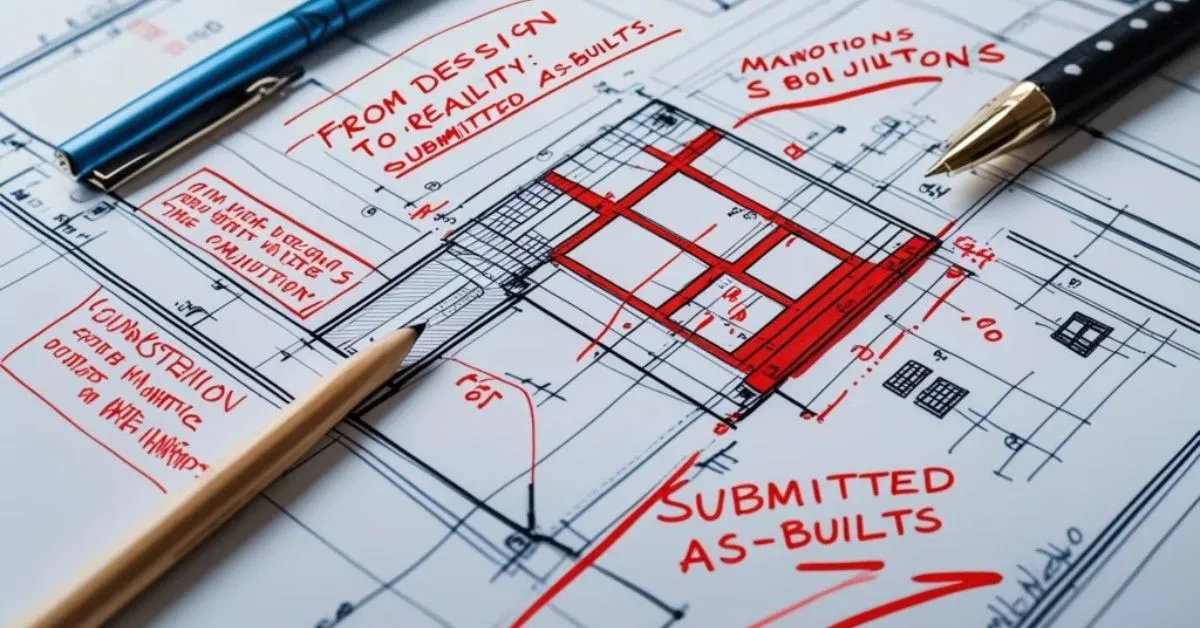
In the dynamic real estate and construction world, Submitted As-Builts in Real Estate—also known as record drawings or red-line drawings—are essential. These documents capture the project’s final state and enhance your design vocabulary by providing detailed insights into the construction process.

Submitted as-builts, a specific subset, are formal documents that reflect the actual construction as completed, differing from initial design plans. This article delves into the essence of submitted as-builts and their importance and answers essential questions related to their creation and use.

What Is Included in the As-Built Plan?

An as-built plan is a detailed document capturing:

Changes to Original Plans:

  • Modifications to dimensions, materials, and locations of structural elements.

Final Dimensions:

  • Accurate measurements of the completed project, including room sizes, window placements, and structural components.

System Installations:

  • Detailed mapping of plumbing, electrical, HVAC, and other systems.

Construction Notes:

  • Logs of changes made, reasons for those changes, and the dates they occurred.

Including these elements ensures that future stakeholders—whether contractors, engineers, or property owners—have a reliable reference point for maintenance, renovations, or compliance needs. This comprehensive documentation allows professionals to discover radial balance in design, ensuring that all elements are harmoniously integrated.

Who Submits As-Built Drawings?


The submission of as-built drawings typically involves multiple parties depending on the project’s scope:

Contractors:

  • Primarily responsible for documenting on-site changes and submitting these revisions.

Architects and Designers:

  • Often review and refine as-built submissions to ensure compliance with design standards.

Subcontractors:

  • Provide detailed information about specific systems or components they installed, such as electrical or mechanical elements.

Collaborative efforts among these parties result in accurate, comprehensive as-builts that reflect the real-world outcome of a construction project.

What Should Be in an As-Built Document?

A complete as-built document should include:

Visual Representations:

  • Floor plans, elevations, and cross-sections updated to reflect changes.

Annotations:

  • Detailed notes explaining deviations from original plans.

System Details:

  • Specifications for mechanical, electrical, and plumbing systems.

Material Logs:

  • Types and quantities of materials used.

Photographic Evidence:

  • Images showing key modifications and final installations.

Compliance Records:

  • Notes on inspections and approvals.

This level of detail ensures as-built documents are functional for future use in property management, renovations, or resale.

What Is the Meaning of “As-Built”?

The term “as-built” refers to the actual condition of a construction project upon completion. Unlike initial design drawings that depict the intended construction, as-builts document the real-world implementation, accounting for:

  • Unforeseen site conditions.
  • Material substitutions.
  • Design adjustments requested during construction.

In essence, as-builts provide a precise snapshot of a project as it stands after completion, making them indispensable for accurate documentation.

Whose Responsibility Is It to Create the As-Built BIM?

Building Information Modeling (BIM) enhances traditional as-builts by providing a digital, 3D representation of the completed project. Responsibility for creating an as-built BIM typically falls to:

General Contractors:

  • They oversee construction and are well-positioned to document real-time changes.

Specialized BIM Technicians:

  • Use advanced software to update digital models.

Architects:

  • Collaborate to ensure the BIM aligns with the original design intent while capturing changes.

BIM technology streamlines the process, offering dynamic, interactive as-builts that are more accessible and detailed than static drawings.

Who Provides As-Built Drawings?


As-built drawings are often produced collaboratively:

Contractors:

  • Supply field-marked changes directly observed during construction.

Subcontractors:

  • Contribute detailed information on specific systems, such as HVAC or plumbing.

Architects and Designers:

  • Integrate these changes into cohesive, final documents.

Ultimately, contractors are the primary providers, ensuring all modifications are captured accurately.

Who Is Responsible for the Production of Working Drawings?

Working drawings, which provide guidance for the construction process, are typically created by:

Architects:

  • Develop detailed design plans.

Engineers:

  • Add structural, mechanical, and electrical specifics.

Draftsmen:

  • Translate designs into precise technical drawings.

While these documents precede construction, they evolve into as-built drawings through field updates and contractor input.

Who is typically responsible for creating shop drawings?


Shop drawings, distinct from as-builts, are detailed, component-specific plans created by:

Subcontractors:

  • For specialized systems like HVAC or steelwork.

Fabricators:

  • Document dimensions and assembly details for prefabricated components.

Suppliers:

  • Provide manufacturer-specific installation guides.

These drawings are integral to the construction process, ensuring precise installation and alignment with overall design.

The Importance of Submitted As-Builts in Real Estate

Submitted as-builts hold immense value for various stakeholders:

Property Owners:

  • Gain a clear understanding of their assets for future planning.

Contractors:

  • Demonstrate professionalism and thoroughness, enhancing reputation.

Government Agencies:

  • Use as-builts to verify compliance with building codes and regulations.

Future Contractors:

  • Reference these documents to simplify renovations or additions.

Final Thoughts

Submitted as-builts in real estate are more than mere drawings; they are a comprehensive record of a project’s life cycle, reflecting its transformation from design to reality. By including accurate details, ensuring collaborative input, and leveraging modern as-built documentation techniques, these records become invaluable assets for property management, maintenance, and compliance.

Whether you are a contractor, property owner, or future developer, understanding the significance of as-built drawings in construction ensures a smoother, more informed approach to real estate management. Proper documentation also aids in regulatory compliance and future renovations, making as-builts essential for long-term property value.

For a comprehensive understanding of as-built drawings, including their importance, components, and best practices, check out this expert guide on as-built drawings.

Wooden Home Decor

0
Wooden Home Decor

Wooden Home Decor: Timeless Style & Sustainability

In the ever-evolving world of interior design, one trend remains steadfast: the allure of wooden home decor. With its timeless elegance and ability to infuse warmth and character into any space, wooden decor is capturing the hearts of design enthusiasts around the globe. Imagine stepping into a room where rich textures and earthy tones greet you with a sense of coziness and sophistication. This is the transformative power of wooden decor, a style that not only endures but also evolves to suit modern tastes.

As we navigate through 2025, there’s a renewed emphasis on incorporating natural materials into our homes, with warm wood tones leading the charge as a top design trend Good Housekeeping. The versatility of wooden decor allows it to seamlessly blend with various design styles, from the rustic charm of farmhouse aesthetics to the sleek lines of modern minimalism. Whether you’re looking to add a touch of tradition or a hint of contemporary flair, wooden elements can be the perfect solution to elevate your living space.

In this article, we’ll delve into the aesthetic appeal and enduring popularity of wooden home decor. We’ll explore its versatility across different styles and preferences, offering insights into how you can transform your home into a sanctuary of timeless beauty. Discover how wooden decor can be your ally in creating a space that reflects your personality and style, all while keeping in tune with the latest trends. For more inspiration and ideas, visit Redfinz for a curated selection of wooden decor items that will help you achieve the perfect balance of elegance and comfort in your home.

The Appeal of Wooden Home Decor

When it comes to elevating your living space, wooden home decor offers a blend of aesthetic charm and functional benefits. Choosing wooden elements not only enhances the visual appeal of your interiors but also contributes to a more sustainable lifestyle. Sustainable wooden decor is increasingly popular due to its eco-friendly properties and the warmth it brings to any setting.

Aesthetic and Functional Benefits

Wooden decor adds a timeless elegance to any home. Its natural grain and texture introduce warmth and depth, making spaces feel cozy and inviting. Interior designers frequently recommend wood for its versatility and ability to harmonize with various design styles, from rustic to modern. Moreover, wood’s durability makes it an excellent choice for households with young children or pets. According to Slideserve, wooden furniture withstands the wear and tear of daily life better than many other materials, ensuring your decor remains pristine for years.

Sustainability and Eco-friendliness

Wood is not just about style; it’s also about sustainability. As one of the most naturally renewable energy sources, wood absorbs carbon dioxide, acting as a ‘carbon store’. This quality makes it a superb choice for those looking to reduce their carbon footprint. Learn more about these benefits at Redfinz. Interior designers often highlight how the use of wood in home decor can significantly impact the ambiance of a room, creating a sense of warmth and comfort that synthetic materials often lack. The natural beauty of wood, combined with its sustainability, makes it a compelling choice for eco-conscious homeowners.

Types of Wooden Home Decor Items

Wooden home decor items, ranging from wooden furniture to charming accessories, offer a unique blend of aesthetics and functionality. The natural allure of wood, with its ability to fit seamlessly into diverse themes, makes it a staple in home decor. Whether you’re aiming for a rustic, modern, or Scandinavian vibe, the versatility of wood can transform any living space.

Wall Art and Hangings

Wooden Home Decor

Wooden wall art provides a canvas for creativity, allowing homeowners to infuse personal touches into their decor. DIY enthusiasts can explore various options, such as crafting handmade wooden picture frames that not only match the decor theme but also offer an eco-friendly approach by repurposing old frames. For those seeking inspiration, consider checking out guides and resources that offer step-by-step instructions on creating custom wooden wall hangings. According to Benchmaster Woodworx, such projects can significantly enhance the charm of your home.

Wooden Furniture

Wooden Home Decor

The elegance of wooden furniture lies in its timeless appeal and the potential for customization. From solid wood dining tables to bespoke cabinets, high-quality wooden furniture adds a touch of sophistication to any room. Investing in custom pieces allows homeowners to personalize their space while ensuring that each item complements their home’s aesthetics. Notably, solid wood construction often carries a premium price tag, reflecting its durability and beauty. Explore unique designs and transformations on platforms like Redfinz to find the perfect piece for your home.

Shelves and Storage Solutions

Wooden Home Decor

Incorporating wooden shelves and storage solutions into your home not only maximizes space but also adds a decorative element. Rustic wooden shelves can serve as focal points, providing platforms to display books, plants, or other decorative items. To style these shelves effectively, consider using a mix of textures and colors to create a visually appealing arrangement. Innovative designs can also enhance functionality, making them ideal for modern homes seeking both beauty and practicality.

Accessories and Accents

Wooden Home Decor

Wooden home accessories, such as handmade decor items, play a crucial role in elevating interior design. The charm of vintage and handmade pieces can transform the atmosphere of a room, making them a favorite among guests. For instance, a decorative wooden circle round mirror can be a standout feature in any room. Discover more about the impact of wooden accents by exploring the work of artisans who craft unique pieces that tell a story.

Current Trends in Wooden Home Decor

In 2025, wooden decor trends are shaping up to be both innovative and deeply rooted in timeless styles. As homeowners seek to infuse their spaces with character and warmth, rustic decor and modern decor are at the forefront of interior design.

Rustic and Farmhouse Styles

Rustic wooden decor continues to captivate with its authentic charm and cozy appeal. The farmhouse style wooden decor is particularly popular, characterized by its use of natural materials and a warm, inviting palette. A significant trend is the mixing of different wood species and finishes, which adds depth and authenticity to any interior. This approach not only enhances the aesthetic but also allows for a personalized touch, as seen in successful transformations highlighted by Vogue. For those interested in integrating these styles into their homes, consider incorporating reclaimed wood elements, which align with the broader trend towards sustainability.

Modern and Minimalist Approaches

On the other hand, modern decor embraces sleek lines and minimalist aesthetics, often influenced by Scandinavian wooden decor. This style is about creating a sense of space and light, using wood to add warmth without overwhelming the room. An emerging trend is the use of curved furniture, which is expanding beyond sofas to include beds and chairs, introducing a soft and inviting feel to modern interiors. This trend is well-documented in the insights shared by House Beautiful.

Eco-friendly and Sustainable Designs

A growing movement within wooden decor is the emphasis on sustainable home decor and eco-friendly interior design. This shift reflects a broader desire for designs that not only enhance living spaces but also support environmental well-being. Reclaimed and responsibly sourced wood are key components of this trend, offering both aesthetic and ecological benefits. As noted by Good Housekeeping, sustainable and biophilic designs are gaining traction, with natural materials fostering a deeper connection to nature.

DIY Wooden Home Decor Projects

Wooden Home Decor

DIY wooden home decor projects offer a creative and fulfilling way to enhance your living space with unique, personalized touches. Whether you’re a beginner or an experienced DIY enthusiast, there are projects to suit every skill level. Here, we explore a range of ideas from simple to advanced, ensuring you can craft beautiful wooden decor that reflects your style.

Easy Projects for Beginners

For those new to woodworking, easy DIY wooden projects are the perfect starting point. These projects require minimal tools and skills, making them accessible to everyone. One popular beginner project is the wooden plant stand, which can be adapted to fit various plant sizes and styles, adding a touch of nature to any room. According to Benchmaster Woodworx, these stands are not only functional but also stylish, making them a great addition to small spaces.

Advanced Projects for Enthusiasts

For those with more experience, advanced DIY wooden projects offer an opportunity to create custom wooden decor that truly transforms a room. Handmade wooden signs, for instance, can be personalized with inspirational quotes, family names, or important dates, allowing for endless creativity. As highlighted by Benchmaster Woodworx, these projects not only serve as statement pieces but also bring a personal touch to your home.

Additional Resources and Inspiration

For more inspiration and practical guidance, explore our video tutorials and downloadable guides. These resources are designed to support you every step of the way, whether you’re crafting DIY wooden wall art or any other decor piece. Additionally, visit Redfinz for further insights and tips on integrating these projects into your home decor.

Where to Buy Wooden Home Decor

When considering where to buy wooden decor, it’s essential to explore both online marketplaces and local artisan shops. Each option offers distinct advantages, catering to diverse preferences and needs.

Online Marketplaces

For those looking to buy wooden home decor online, there are numerous platforms that provide a wide range of options. Websites like Etsy are renowned for offering unique, handmade wooden decor items. This platform connects buyers with small businesses, ensuring that each purchase supports artisans and offers a distinct touch to home decor. According to House Beautiful, Etsy is a top destination for discovering unique wooden pieces.

Another reputable online retailer is John Lewis & Partners, which offers an extensive selection of homeware, including wooden decor, suitable for various styles and budgets. Shopping online not only provides the convenience of browsing from home but also allows for easy comparison of prices and styles, often accompanied by customer reviews to guide your purchase decisions.

Local Artisans and Boutiques

Exploring local artisans and boutiques can be a rewarding experience, offering the chance to acquire handmade wooden decor that carries a personal touch. Supporting local craftsmen not only helps sustain their trade but also ensures that your decor pieces are one-of-a-kind. Rockett St George, for instance, is celebrated for its quirky home accessories, including unique wooden wall hangings and decor items, as highlighted by House Beautiful.

Care and Maintenance Tips

Maintaining the beauty and longevity of your wooden decor items requires a combination of regular cleaning, polishing, and strategic placement to protect them from damage. Here, we provide expert tips for maintaining wooden decor that ensure your pieces remain pristine for years to come.

Cleaning and Polishing

To keep your wooden decor looking its best, a step-by-step cleaning and polishing routine is essential. Begin by dusting the surface with a soft, lint-free cloth to remove any loose dirt or debris. For a deeper clean, use a damp cloth with a mild soap solution, avoiding full-strength vinegar or isopropyl alcohol as they can damage the finish. According to Martha Stewart, incorrect cleaning products can cause lightening, drying, or scratching of the wood.

Protecting from Damage

Protecting your wooden decor from scratches, moisture, and fading is crucial for maintaining its quality. Here are some practical tips:

  • Avoid Direct Sunlight: Prolonged exposure can cause fading and discoloration. Position your decor away from windows or use curtains to diffuse the sunlight.
  • Use Coasters and Mats: These prevent moisture rings from beverages or hot dishes, which can warp or stain the wood.
  • Regular Conditioning: As recommended by experts, polish your wood with a natural conditioner every six to eight weeks to keep it nourished and resilient.

Additionally, placing your wooden items in stable environments free from extreme humidity or temperature fluctuations can significantly extend their lifespan. For more insights on protecting wooden decor, visit our comprehensive guide at Redfinz.

Conclusion

Wooden home decor offers a myriad of benefits, making it an excellent choice for enhancing living spaces. Versatile, durable, and cost-effective, wood aligns perfectly with eco-friendly living while adding warmth and character to any home. According to Zyako, wooden elements seamlessly blend into design themes, from rustic charm to modern minimalism.

By incorporating wooden decor, you invest in timeless aesthetics while supporting sustainability. Whether through small accents or statement furniture, wood transforms houses into inviting sanctuaries. For budget-friendly inspiration, check out this Thrift store decor guide to discover unique wooden finds.

At Ultimate Decor Destination, we curate inspiring ideas and quality products to jumpstart your wooden decor journey. Plus, the rising DIY trend lets you personalize pieces creatively—crafting shelves, frames, or even reclaimed wood art. Dive into wooden decor and let your creativity flourish, making your home unmistakably yours.

Frequently Asked Questions (FAQs)

What are the benefits of using wooden home decor?

Wooden home decor offers numerous benefits, including timeless elegance, versatility, and durability. It enhances the visual appeal of interiors with its natural grain and texture, creating a warm and inviting atmosphere. Additionally, wood is a sustainable material, making it an eco-friendly choice for environmentally conscious homeowners.

How does wooden decor fit with different interior design styles?

Wooden decor is highly versatile and can seamlessly blend with various design styles, from rustic and farmhouse to modern and minimalist. Its natural warmth and texture complement both traditional and contemporary aesthetics, allowing you to personalize your space while staying on trend.

Why is sustainability important in wooden home decor?

Sustainability is crucial in wooden home decor because wood is a renewable resource that acts as a ‘carbon store,’ helping to reduce carbon footprints. Choosing sustainable wooden decor supports eco-friendly practices and contributes to environmental well-being, aligning with the growing trend towards green living.

What types of wooden home decor items are popular in 2025?

In 2025, popular wooden home decor items include furniture like dining tables and bespoke cabinets, wall art and hangings, shelves and storage solutions, and various accessories and accents. These items are valued for their aesthetic charm and functional benefits, enhancing both style and practicality in homes.

How can I maintain my wooden decor items?

Maintaining wooden decor involves regular cleaning, polishing, and protecting them from damage. Dust with a soft cloth, clean with a mild soap solution, and polish with a natural conditioner every six to eight weeks. Avoid direct sunlight and use coasters to prevent moisture damage, ensuring your wooden pieces remain pristine.

Where can I buy unique wooden home decor items?

Unique wooden home decor items can be purchased online from platforms like Etsy, which offers handmade pieces, or from local artisans and boutiques for one-of-a-kind finds. These sources provide a wide range of options, allowing you to support small businesses and add a personal touch to your home decor.


How to Waterproof Your Basement for Under $500

0
Waterproof Basement

How to Waterproof Your Basement for Under $500: A DIY Guide

Did you know that your roof can collect 1,500 gallons of water during just one inch of rainfall? The volume of water from one inch of rainfall is equivalent to filling an average swimming pool.

However, with proper drainage systems, your gutters can effectively channel approximately 600 gallons of water per square foot away from your Foundation. Fortunately, inexpensive basement waterproofing solutions exist that can protect your home from this potential deluge.

From applying waterproof sealants to installing interior drainage systems, we can help you safeguard your basement without breaking the bank. Many effective waterproofing solutions, like crack injections and vapor barriers, can be completed as DIY projects in a few days.

Ready to learn how to keep your basement dry for under $500? Let’s explore these budget-friendly waterproofing techniques that you can implement yourself!

Assessing Your Basement’s Waterproofing Needs

Waterproofing Basement

Properly assessing your basement’s specific needs before investing in waterproofing solutions will save you money and prevent unnecessary work. A thorough evaluation helps identify precisely where moisture enters and what affordable solutions will work best for your situation.

Identifying the cheapest way to waterproof your specific basement

The most cost-effective approach to basement waterproofing typically starts from the inside. Interior waterproofing generally costs significantly less than exterior methods that require excavation. For many homeowners, tackling visible wall cracks with waterproof sealants or epoxy provides immediate results without breaking the bank.

Additionally, simple maintenance tasks can substantially reduce water intrusion. Cleaning gutters regularly costs nothing yet effectively prevents water from sheeting over your roof and soaking the soil around your Foundation. This complimentary maintenance task can dramatically reduce moisture problems.

Consider crack injections with expanding polyurethane if you’ve noticed water seepage through foundation cracks. While professional basement waterproofing contractors typically charge several hundred dollars for this service, it’s significantly cheaper than extensive waterproofing systems.

DIY moisture testing methods

Reliable moisture assessment doesn’t require expensive equipment. Start with a thorough visual inspection after heavy rainfall when issues are most visible. Look for water stains, discoloration, or efflorescence (white, powdery residue) on walls and floors.

For more precise measurements, consider these affordable testing methods:

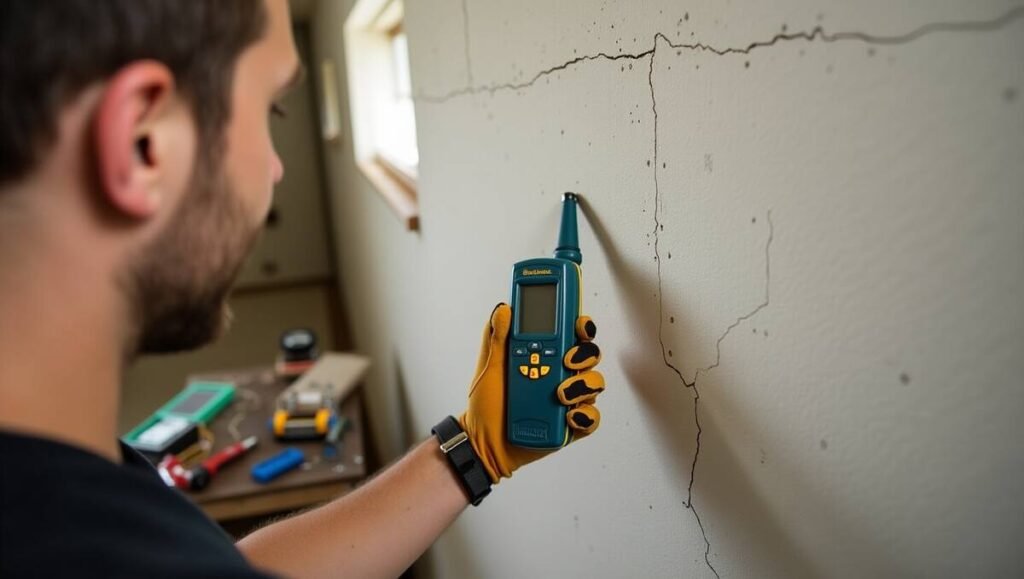
  1. Moisture meters provide quick, non-destructive readings that help pinpoint problem areas without damaging walls.
  2. Hygrometers – These measure humidity levels in the air, helping identify potential condensation issues before they cause damage.
  3. Simple touch test – Feel for damp or soft spots on walls and floors during your inspection.

Also, pay attention to musty odors, peeling paint, or wallpaper – clear indicators of moisture problems.

Creating a waterproofing priority list

Based on your assessment, establish a prioritized waterproofing plan that addresses the most critical issues first:

Start with zero-cost solutions like cleaning gutters and redirecting downspouts at least 10 feet from your Foundation. Next, use affordable sealants to address any visible cracks or leaks in the foundation walls.

Consequently, if condensation is your primary concern, consider affordable improvements like extending downspouts, applying waterproofing paint, or installing a dehumidifier.

Finally, evaluate whether more extensive solutions like interior drainage systems or sump pumps are necessary. Identifying the root cause of moisture problems before implementing solutions ensures that every dollar spent contributes to a lasting solution rather than a temporary fix.

Budget-Friendly Prevention: The First Line of Defense

Cheap basement waterproofing using proper landscaping grading and downspout extensions

Preventing water from reaching the Foundation is the most economical way to dry the basement. The first line of defense against basement moisture doesn’t require expensive professional services or specialized equipment. Instead, focusing on these budget-friendly preventative measures can effectively protect your basement without straining your wallet.

Low-cost landscaping solutions

Proper landscaping around your home’s foundation is crucial – similar to how strategic interior design creates balance in a space, grading your yard correctly creates harmony in water flow.. Creating a graded slope that directs water away from the Foundation is fundamental to any inexpensive basement waterproofing plan. Consider installing a dry creek with gravel around your home to route water away from the Foundation for even better protection.

River rock barriers provide another affordable option that prevents moisture buildup while maintaining visual appeal. When using mulch near your home, always maintain 4-6 inches of space between the mulch and your Foundation to keep the Foundation dry. This simple adjustment can significantly alleviate manageable basement moisture issues.

Expert landscapers can also create grass and valleys that redirect water away from trouble spots, helping to relieve hydrostatic pressure that may originate deep within your yard.

Affordable gutter improvements

Proper gutter maintenance is the most cost-effective waterproofing strategy available. Clean gutters are essential for directing approximately 600 gallons of water per square foot of roof during a one-inch rainfall away from your Foundation.

Extending downspouts at least 10 feet from the Foundation dramatically reduces basement leakage frequency. One homeowner reported that basement leaking decreased from 15-20 times annually to 3-4 occurrences yearly after extending their downspouts. These extensions can be installed at a reasonable cost, whether they run to daylight or terminate in a bubbler pot.

DIY vapor barriers

Installing a vapor barrier in your basement is a practical DIY project that improves moisture control and energy efficiency. Typically made of polyurethane sheeting at least 6 millimeters thick, vapor barriers cost approximately $0.50 to $0.70 per square foot.

These barriers prevent moisture penetration while simultaneously keeping basements insulated and warm. They can be installed on floors, ceilings, and walls to create a tight envelope around the space. For walls, vapor barriers should be installed before the studs and insulation should be placed directly over the frame.

Beyond preventing water damage, vapor barriers provide crucial protection against mold and mildew, which can cause long-term health problems and create unsafe living conditions. Though not strictly necessary, this affordable solution pays for itself through reduced energy bills and prevents moisture damage.

Cost-Effective Repair Solutions for Existing Water Damage

DIY basement crack repair with hydraulic cement - affordable waterproofing solution under $20

Once water damage occurs in a basement, addressing it promptly prevents further deterioration and costly repairs. Fortunately, several inexpensive basement waterproofing solutions can effectively repair moisture issues without breaking the bank.

Patching Foundation cracks on a budget

Foundation cracks provide the perfect entry point for water, but they’re often the easiest and most affordable to fix. Concrete patch mixes and hydraulic cement offer budget-friendly solutions, typically costing between $10-20 per bucket. These vinyl concrete patches dry in under 24 hours and effectively prevent small cracks from growing larger.

For cracks near plumbing pipes, remember that proper sealing requires attention to both the foundation and pipe connections – the same way reducer fittings ensure leak-proof plumbing systems.

For water dribbling through cracks or gaps around plumbing pipes, hydraulic cement or polyurethane caulk provides an effective solution for approximately $10. Nevertheless, it’s important to note that cement sealing should be considered a quick fix rather than a permanent solution.

Affordable options for wall sealing

Waterproof paints and sealants create an effective moisture barrier on interior basement walls. These products are relatively inexpensive and available at most home improvement stores. Before application, thoroughly clean the wall, seal around joints, and patch imperfections.

A quality penetrating concrete sealer works well for foundations with less than 4% moisture content. Alternatively, foundations with higher moisture content require a moisture vapor barrier. Waiting until the walls are completely dry before applying any sealant prevents future moisture problems.

Inexpensive floor waterproofing techniques

Waterproof coatings applied to concrete surfaces minimize future water damage. Furthermore, consider installing a French drain system to prevent water pooling when basement floors require substantial repair.

Flood-damaged floors often require replacement, as materials like carpet retain moisture and promote mold growth. Similarly, water-damaged drywall requires removal—generally to a height of 4 feet if flood levels are below 2.5 feet or 8 feet if water levels are higher.

Although professional basement waterproofing services provide comprehensive solutions, DIY approaches like crack injections, waterproof paints, and simple drainage improvements offer significant protection without the hefty price tag. According to experts, the most effective approach balances cost with the severity of your water problems.

Best Waterproofing Methods for Long-Term Protection

Long-term basement waterproofing with DIY sump pump installation - flood prevention under $600

Long-term basement waterproofing solutions represent valuable investments that protect your home and wallet from recurring water damage. Installing these lasting systems now prevents expensive repairs later, making them cost-effective despite higher initial costs compared to temporary fixes.

Homeowners should evaluate waterproofing options like they would compare gas vs electric water heaters – considering both installation costs and long-term performance.

Comparing waterproofing chemicals for basements

Not all waterproofing products offer equal protection or longevity. When selecting materials for your inexpensive basement waterproofing project, consider these options:

  1. Cementitious waterproofing is relatively inexpensive and easy to apply, making it popular for DIY projects. However, it’s less durable when exposed to harsh weather or high water pressure.
  2. Liquid synthetic membranes: Pre-mixed solutions like polyurethane that can be painted directly onto foundation walls. These are typically the most straightforward coatings to apply.
  3. Waterproof paint is the least expensive option, at $1-$6 per square foot. It creates a moisture barrier but serves best as a supplementary measure rather than a complete solution.
  4. Vapor barriers: Costing approximately $0.50-$0.70 per square foot, these polyethylene sheets prevent moisture penetration while improving energy efficiency.

DIY drainage solutions that last

Interior drainage systems effectively manage water that enters the basement without requiring professional installation. French drains, installed along the perimeter of the basement floor, collect water and direct it to a sump pump or floor drain.

For poured concrete walls, foundation wrap provides a practical pathway for water flow into your drainage system. This rigid plastic material features rows of dimples that create space for water movement behind it.

Moreover, installing an interior drainage system costs between $40 and $100 per square foot—substantially less than exterior waterproofing methods that involve excavation.

Budget-friendly sump pump installation

A properly installed sump pump prevents basement flooding and costs between $300-$600 for tools and materials if you handle the installation yourself. For the best long-term protection:

  • Choose a submersible pump for finished basements as they operate more quietly than pedestal models despite costing slightly more.
  • Select pumps with a vertical float switch, as professionals consider these more reliable than pedestal or standard float switch pumps.
  • Install your basin in an unfinished basement area for easy access and maintenance.
  • Consider a backup battery system if power outages are common in your area.

Compared to cleaning up after flood damage, sump pumps are relatively inexpensive and provide invaluable protection against water that can cause mold and affect foundation integrity over time.

FAQs

What is the cheapest way to waterproof a basement?

The most affordable methods include:

  • Cleaning gutters & extending downspouts (free-$50)
  • Applying waterproof paint (1−6/sq ft)
  • Using hydraulic cement for cracks (10−20/bucket)
  • Installing DIY vapor barriers (0.50−0.70/sq ft)

What is the cheapest method of waterproofing?

Interior solutions like sealants and vapour barriers are the most budget-friendly. Prioritize:

  1. Redirecting water with landscaping/gutter extensions
  2. Sealing cracks with vinyl concrete patches
  3. Applying waterproof coatings before costly drainage systems

What is the best waterproofing method for a basement?

For long-term protection, combine:

✔️ Interior drainage (French drains: 40−100/sq ft)

✔️ Sump pump (300−600 DIY)

✔️ Foundation wrap for poured concrete walls

✔️ Professional-grade sealants for active leaks

What is the best waterproofing chemical for basements?

Depends on your needs:

  • Cementitious coatings: Cheap & easy for DIY (10−20 coverage)
  • Liquid membranes: Best for DIY durability (polyurethane)
  • Penetrating sealers: Ideal for <4% moisture walls
  • Hydraulic cement: Fast fix for active leaks

Conclusion

Protecting your basement from water damage doesn’t require expensive professional services or complicated solutions. Through careful assessment and strategic DIY approaches – similar to those recommended by the EPA’s Home Waterproofing Guidelines – homeowners can effectively waterproof their basements while staying within a $500 budget. Simple steps like proper gutter maintenance, affordable sealants, and smart drainage solutions make a significant difference in keeping basements dry.

Most importantly, addressing water issues early prevents costly repairs later. Basic prevention methods, such as extending downspouts and applying waterproof coatings, provide immediate protection. With proper moisture testing and regular maintenance, these affordable solutions create a robust defense against water damage. Remember – whether waterproofing your basement or renovating a small bathroom while living there, proper planning prevents costly mistakes. Whether using hydraulic cement for crack repairs, installing vapor barriers, or setting up an essential drainage system, these budget-friendly approaches deliver lasting results. Taking action now saves money while protecting your home’s Foundation and creating a healthier living environment for years.

Minimum Bedroom Size

0
Minimum Bedroom Size

Minimum Bedroom Size: Tips, and Design Ideas

The minimum bedroom size refers to the most diminutive dimensions a room must meet to be legally considered a bedroom. Typically, this is 70 square feet with a ceiling height of 7 feet.

Understanding such specifications proves vital for everyone involved in residential construction, including property owners, builders, and prospective buyers. Property owners enforce specific dimensions that combine legal requirements with practical functionality in their living spaces.

These specifications allow builders to create functional housing designs and help buyers make decisions by better understanding comfort and regulatory compliance.

Legal Requirements for minimum Bedroom Sizes

International Building Standards

International standards set a minimum bedroom size of 70 square feet and a ceiling height of 7 feet. This ensures the room is functional, providing enough space for basic furniture and movement.

An egress window stands as a crucial requirement for all buildings. Real estate emergencies demand a safety oversight window that extends 5.7 square feet toward the exterior escape. The presence of egress windows lets in sunlight and fresh air, enhancing building safety and occupant comfort levels.

Variations in Local Codes

Rules established by local jurisdictions differ substantially from those recognized by international communities. In UK building codes, the minimum floor space for single rooms stands at 7.5 square meters (81 square feet), and double rooms require at least 11.5 square meters (124 square feet).

Built-in closets become fundamental for room declaration as a bedroom according to U.S. regions’ billing codes. Working with local authorities enables compliance with building regulations while preventing legal complications.

Recommended minimum Bedroom Sizes for Comfort

Ideal Dimensions for Different Types of Bedrooms

The comfort standard for single bedroom space requires at least 7.5 square meters (75 square feet) of area. The 7.5 square meters (75 square feet) type can hold a single bed and essential furnishings.

A double bedroom must be at least 120 square feet large (11.5 square meters) to fit a double bed, bedside tables, and a wardrobe. Larger rooms can accommodate room-to-room flexibility along with enhanced comfort.

Factors Affecting Bedroom Size

The size of a bedroom depends on its primary function. Cumulatively, children’s fundamental space demands differ from the lenient dimensions required for master bedrooms because master layouts often include luxuries such as sitting areas or attached private bathrooms.

The bed type also matters. You can fit a twin bed in tight spaces, but for a king-size bed to fit correctly, you must maintain at least 24 inches of open space in all directions.

Designing Within Space Constraints

Minimum Bedroom Size

Space-Saving Furniture and Layout Tips

Using space efficiently stands as a vital design principle in tight bedroom areas. Among innovative furniture selections, storage bed units feature compartments that hide away items, including linens and seasonal garments, and eliminate room clutter.

Vertical shelving systems utilize all wall real estate to create a clean and clutter-free area. Single rooms gain maximum benefit from these techniques that maximize floor space distribution.

The flexible design of foldable desks suits tight spaces in rooms. These collapsible writing surfaces stow neatly into the wall when unneeded, thus freeing up walking areas.

Multi-functional furniture that includes storage under ottomans and drawer-equipped beds enables room owners to maximize their space while achieving stylish results. Room layout decisions that position more significant furniture against walls create an open appearance without compromising functionality.

Lighting and Ventilation Strategies For a Minimum Bedroom Size

A neatly lit and ventilated space creates a more spacious feel while becoming more appealing to inhabitants. Mirrors demonstrate powerful interior design capabilities by reflecting light, which generates an impression of increased room size.

When you set a mirror opposite to a windowed area, the natural lighting is reinforced, which causes the room to grow significantly brighter. The Rooms with natural illumination have better moods and reduced feelings of enclosure.

The combination of light fabric and thin window treatments enables the entry of sunlight with protective privacy maintenance. Good ventilation requires windows placed in the correct positions.

Compact fans or air purifiers can prevent the space from becoming stagnant when window expansion or addition is impossible. Good lighting and proper ventilation create living spaces that feel roomier and more comfortable, with positive health benefits.

Real estate value depends heavily on the dimensions of bedrooms

Buyer Expectations

The dimensions of the bedrooms strongly influence how much buyers want to purchase a property. Property buyers frequently prefer homes with enlarged bedroom spaces, particularly those dedicated to master residents.

The benefits of spacious rooms contain multi-faceted design flexibility and enhanced comfort during furniture arrangement, improving overall home appeal. The property value can be negatively affected when bedrooms measure only slightly above official minimum bedroom size regulations.

When a bedroom measures less than 70 square feet, it fails to meet bedroom legal requirements, which results in lower market value. Real estate consumers also desire practical living spaces that offer comfort, so bedrooms that conform to needed dimensions become essential purchase factors.

Compliance Risks

During a home sale, non-compliant bedrooms create significant obstacles for the homeowner. Legal standards define what qualifies as a bedroom; therefore, a space that does not comply with minimum requirements cannot function legally as bedroom space.

Quality bedrooms directly affect property value because deviations from building codes result in value loss, tense buyer relations, and costly pre-sale modifications. Dominion of building regulations exists to protect property value, ensure safety, and maintain marketability across all property regions.

Properties built to conform with safety regulations maintain easier marketability and shield homeowners from potential legal consequences. A property stands to attract more potential buyers when its bedrooms pass both label and accurate world safety inspections.

For more tips on creating functional and stylish spaces, check out our guide on Accessible bedroom tips. Additionally, learn about the ideal humidifier running duration to maintain a healthy and comfortable environment. For further reading on building codes and compliance, visit HomeAdvisor’s guide on bedroom requirements.

FAQs

How small can bedroom spaces get according to building regulations?

Every functional indoor bedroom needs at least 70 square feet to remain usable. A space measuring 70 square feet accommodates essential furniture with enough mobility, although it classifies under compact dimensions.

What stands as the law regarding maximum allowed bedroom dimensions?

The size regulations for minimum bedroom size differ from one region to another under legal standards. Local codes enforce bedroom dimensions reaching 70 square feet while permitting 7-foot ceilings. Various local building rules can have different applications that demand more extensive measurements of bedroom space alongside aspects such as constructed closets.

How big should a bedroom be established as the smallest allowable size?

Functional requirements determine space requirements. A bedroom designed for one occupant should measure at least 7.5 square meters (75 square feet), and double bedrooms usually demand 11.5 square meters (120 square feet) to fit the bed and additional furniture.

Is a 12×12 bedroom too small?

A bedroom measuring 12×12 feet (144 square feet) is appropriate for this space. People find this space sufficient for a bed, a wardrobe, and extra furniture while exceeding legal minimum dimensions in various jurisdictions.

Conclusion

Living spaces require functional rooms because the minimum bedroom size represents a key building element that combines comfort with legal compliance. The safety and usability of bedrooms depend entirely on legal standards, such as minimum dimensions of 70 square feet and requirements for egress windows.

Selecting suitable furniture pieces and considering layouts that enhance comfort and increase overall value can make efficient use of space possible. Residences that maintain legal bedroom standards while incorporating practical and stylish elements not only improve daily life but also boost market value.

For more insights, explore our guide on Accessible bedroom tips for creating functional and stylish spaces. Additionally, learn about the ideal humidifier running duration to maintain a healthy and comfortable environment.

By combining proper guidelines, builders, and homeowners can achieve spaces that prioritize comfort, safety, and functionality without compromise.

Do Construction Workers Work in the Rain?

0
Construction Workers

Do Construction Workers Work in the Rain?

Construction work often involves battling against the elements, and rain is no exception. While some tasks can proceed safely in wet weather, others must be paused to ensure worker safety and maintain project quality. So, do construction workers work in the rain in 2025? The answer depends on several factors, including the type of work, weather conditions, and safety protocols.

Do construction workers work in the rain? Learn how rain impacts construction work, safety measures, and the types of tasks that can or cannot proceed during wet weather conditions.

Can Construction Workers Work in the Rain?

Yes, construction workers often work in the rain, but this depends on the severity of the weather and the nature of the task. Light rain may not halt activities, but heavy downpours or thunderstorms can lead to delays. Here are key considerations:

1. Task-Specific Decisions

Certain tasks, like excavating or framing, can continue in light rain with proper precautions. However, activities such as pouring concrete or working with electrical systems are highly sensitive to moisture and may require postponement to ensure quality and safety.

2. Safety Hazards

Rain introduces hazards such as:

  • Reduced visibility:

    Making it harder to operate machinery and avoid obstacles.

  • Electrical risks:

    Exposing workers to potential electrocution if live wires come into contact with water.

Impact of Rain on Specific Construction Tasks

Do Construction Workers Work in the Rain?

Can Concrete Work Be Done in the Rain?

Pouring concrete in the rain is not advisable as excess water can weaken the mix, compromise curing, and reduce the final strength of the structure. Protective measures like tarps or enclosures are essential if unexpected rain occurs during concrete work.

Do Excavators Work in the Rain?

Excavators can often continue working in light rain, but caution is required to prevent machinery from slipping or getting stuck in muddy terrain. Proper maintenance and anti-skid measures can mitigate risks.

Can Bricklayers Work in the Rain?

Bricklayers may face challenges in the rain since moisture can affect the mortar’s ability to set properly. Shielding work areas and using quick-setting mortar can help reduce delays.

How Does Rain Affect Roofing Work?

Roofing tasks, such as laying shingles, are typically postponed during rain. Wet surfaces can compromise adhesion and increase slip hazards. Roofing crews often use tarps to protect the roof and wait for dry conditions to continue.

Safety Measures for Working in the Rain

Do Construction Workers Work in the Rain?

To protect construction workers and ensure productivity, companies implement several safety measures:

1. Appropriate Rain Gear

Workers should wear:

  • Waterproof jackets and pants.
  • Non-slip, waterproof boots.
  • High-visibility vests.
  • Anti-fog safety goggles.

2. Training and Awareness

Employees are trained to:

  • Recognize hazards like live wires and unstable structures.
  • Move cautiously to avoid slips and falls.
  • Handle equipment with care to prevent accidents caused by wet surfaces.

3. Site Preparation

  • Installing appropriate drainage systems will stop water from building up.
  • Secure loose materials and equipment to avoid accidents.
  • Use rubber mats or platforms to improve traction in slippery areas.

Weather Planning and Project Management

Do Construction Workers Work in the Rain?

Construction companies often rely on weather forecasts to plan activities. By scheduling indoor or less weather-sensitive tasks during rain, they minimize delays and maintain project timelines. Here are some strategies:

1. Flexible Scheduling

Adjusting schedules to accommodate weather changes ensures critical outdoor tasks are completed during dry periods. Indoor tasks, such as electrical wiring or drywall installation, can be prioritized on rainy days.

2. Equipment Maintenance

Rain can affect the performance of heavy machinery. Regular maintenance checks, including the use of anti-skid chains and waterproof covers, help keep equipment operational during wet conditions.

3. Worker Rotation

Rotating workers ensures no one is exposed to wet conditions for prolonged periods, reducing the risk of cold-related illnesses and maintaining productivity.

FAQs About Construction Work in Rain

1. Does Rain Affect Construction Workers Pay?

Pay policies vary by company and contract. Some workers may receive payment for rain delays, while others might only be compensated for hours worked. In some cases, workers may be reassigned to other tasks during rain to ensure continued productivity.

2. Do Construction Workers Work in Thunderstorms?

No, thunderstorms pose significant risks, including lightning strikes and strong winds. Work is usually halted until the storm passes to prioritize worker safety.

3. Do Construction Workers Work on Weekends or Sundays?

Yes, construction workers often work on weekends, including Sundays, depending on project deadlines and agreements. Rainy weekends may see a shift in priorities to indoor or preparatory tasks.

4. Are Trades Allowed to Work in the Rain?

Trades like roofing, welding, or exterior painting are often paused during rain to maintain safety and quality. However, some trades, such as excavation or interior work, can proceed with precautions.

5. How Does Rain Affect Worker Safety?

Rain increases the likelihood of slips, falls, and other accidents. Proper safety protocols, including the use of high-visibility clothing and slip-resistant footwear, are essential to mitigate these risks.

Challenges and Solutions

Rain introduces numerous challenges to construction projects. But proactive steps can aid in resolving these problems:

1. Delays and Deadlines

Rain can disrupt timelines, especially for weather-sensitive tasks. Solutions include building time buffers into project schedules and rescheduling tasks to align with weather forecasts.

2. Material Protection

Exposure to rain can damage materials like wood, cement, and insulation. Covering materials with waterproof tarps and storing them in sheltered areas minimizes damage.

3. Worker Health

Prolonged exposure to rain can lead to illnesses. Providing heated shelters and encouraging frequent breaks helps workers stay healthy and productive.

Balancing Deadlines and Safety

Rain can cause delays in construction projects, but careful planning can mitigate these setbacks. Companies often:

  • Use weather forecasts to plan tasks.
  • Adjust schedules to focus on indoor or less weather-sensitive activities during rain.
  • Equip workers with appropriate gear to maintain safety and efficiency.

Conclusion

So, do construction workers work in the rain? The answer varies based on safety, task requirements, and weather conditions. While light rain might allow some tasks to continue with precautions, severe weather necessitates halts to prioritize worker safety and project integrity. By implementing proper safety protocols and planning, construction companies can minimize disruptions caused by rain and keep projects on track.

Ultimately, balancing productivity with worker safety is the cornerstone of effective construction management.

Elite Riverside Boulevard Condos | NYC Waterfront Living

0
Riverside Boulevard

🏙️ Luxury Riverside Boulevard Condos | NYC Waterfront Living

Hello, future homeowner! 🌆 The exclusivity of Riverside Boulevard leads the NYC elite to seek residences in this location. The dawn brings radiant Hudson River views while you prepare coffee on your private balcony followed by a trip through your elevator to all luxury features. The waterfront location stands unique among NYC neighborhoods as it brings together sophisticated charm with peaceful calmness.

Throughout my ten years as an Upper West Side luxury real estate agent I have assisted numerous clients to discover their perfect homes within this prominent boulevard area. My report describes the key attributes that turn Riverside Boulevard condos into the top picks within Manhattan’s real estate market.

Why Riverside Boulevard is NYC’s Premier Waterfront Address

Sophisticated couple enjoying champagne on Riverside Boulevard penthouse balcony with panoramic Hudson River views

Riverside Boulevard creates an exquisite real estate blend of exceptional geographic position with sophisticated living standards. Located from 59th to 72nd Streets along the Hudson River this elegant community dominates its territory:

Uninterrupted Hudson River Views – Changing views of the water are framed by floor-to-ceiling windows.

Resort-Caliber Amenities – Private cigar lounges and 75-foot infinity pools are available.

Tranquil Yet Connected – Calm seaside living at a short distance from Lincoln Center.

Strong Investment Value – Waterfront properties here appreciate 7-10% annually, backed by exceptional property integrity.

Market Insight: According to Q2 2024 data, Riverside Boulevard condominiums sell 18% faster than other premium Manhattan properties, with average prices at $2,100/sq ft.

The Crown Jewels: Riverside Boulevard’s Finest Buildings

Riverside Boulevard

220 Riverside Boulevard – The Iconic Tower

The neighborhood’s signature skyscraper

  • Height: 49 stories
  • Residences: 440 condos (75% are 2-4 bedrooms)
  • Standout Features:
    • Signature illuminated crown (an NYC skyline landmark)
    • Dual-aspect units with river and park views above 35th floor
    • Herringbone oak floors and smart home innovations.
  • Price Range: 
  • 1.8M studio 28M penthouse
  • Perfect For: Discerning buyers seeking iconic NYC living

Agent’s Tip: The northeast corner units offer the most dramatic sunrise views over the river.

One Riverside Park – Extell’s Masterpiece

Redefining luxury living

  • Amenities: 50,000 sq ft, including LA PALESTRA fitness center
  • Residences: 219 (some exceeding 4,200 sq ft)
  • Design Highlights:
    • Wide-plank white oak flooring throughout
    • Chef’s kitchens with Gaggenau appliances
    • Spa-inspired marble bathrooms
  • Price Range: 
  • 2.1M to 32M
  • Ideal For: Families wanting space and wellness amenities

Building Secret: The 14th-floor terrace garden is rarely photographed but offers stunning river vistas.

The Avery – Boutique Cultural Hub

Where luxury meets the arts

  • Cultural Perks:
    • Exclusive Lincoln Center resident benefits
    • Private performances in building theater
  • Layouts: Studios to 3 beds (600-1,700 sq ft)
  • Unique Spaces:
    • 24-hour library with rare art books
    • Children’s playroom with educational programming
  • Price Range: 
  • 1.2M to 8.5M
  • Best For: Arts enthusiasts and culture vultures

120 Riverside Boulevard – Intimate Elegance

Boutique living at its finest

  • Wellness Focus:
    • 12,000 sq ft fitness center with yoga studio
    • Spa featuring Himalayan salt room
  • Residences: 275 thoughtfully designed units
  • Social Spaces:
    • Rooftop lounge with fire pits
    • Private dining room for entertaining
  • Price Range: 
  • 950K to 6M
  • Great For: Young professionals and empty nesters

50 Riverside Boulevard – Modern Waterfront Sophistication

The newest addition to the boulevard showcases:

  • Floor-to-ceiling curved glass panoramas
  • Rooftop infinity pool with Hudson views

Explore 50 Riverside’s exclusive offerings.

The Riverside Boulevard Lifestyle: A Day in the Life

Morning

6:30 AM – Sunrise yoga in the residents’ wellness center

7:45 AM – Coffee on your private balcony, watching boats glide by

9:00 AM – Quick commute via building shuttle to 72nd Street subway

Afternoon

12:30 PM – Lunch at the iconic Pier I Café

2:00 PM – Remote work from the rooftop lounge

4:30 PM – Lap swim in the 75-foot saltwater pool

Evening

6:00 PM – Pre-theater cocktails in the residents’ lounge

8:00 PM – Lincoln Center performance (just 5 minutes walk)

10:30 PM – Nitecap by your building’s fireplace

Local Secret: The hidden garden at 68th Street offers the neighborhood’s most romantic sunset spot.

Who Belongs on Riverside Boulevard?

75-foot infinity pool at One Riverside Park luxury condo reflecting NYC skyline at twilight

These condos are perfect for buyers who:

Value waterfront tranquility but want urban convenience

Appreciate appreciating assets (8%+ annual growth)

Desire full-service living (from dry cleaning to dog walking)

Seek cultural enrichment with Lincoln Center access

Market Alert: As of July 2024, inventory is moving 22% faster than last year, with only three penthouses remaining across all buildings.

Your Roadmap to Riverside Boulevard Ownership

1️⃣ Get Pre-Approved – Our preferred lenders specialize in luxury condos

2️⃣ View Available ListingsExplore our exclusive inventory

3️⃣ Schedule Private Showings – Experience these homes firsthand

4️⃣ Make Your Offer – Our negotiation experts will secure the best terms VIP Access: Clients registering with us get 24-hour advance notice of new listings.

How to Make a Bedroom Accessible for Disabled Adults

0
How to Make a Bedroom Accessible for Disabled Adults

How to Make a Bedroom Accessible for Disabled Adults

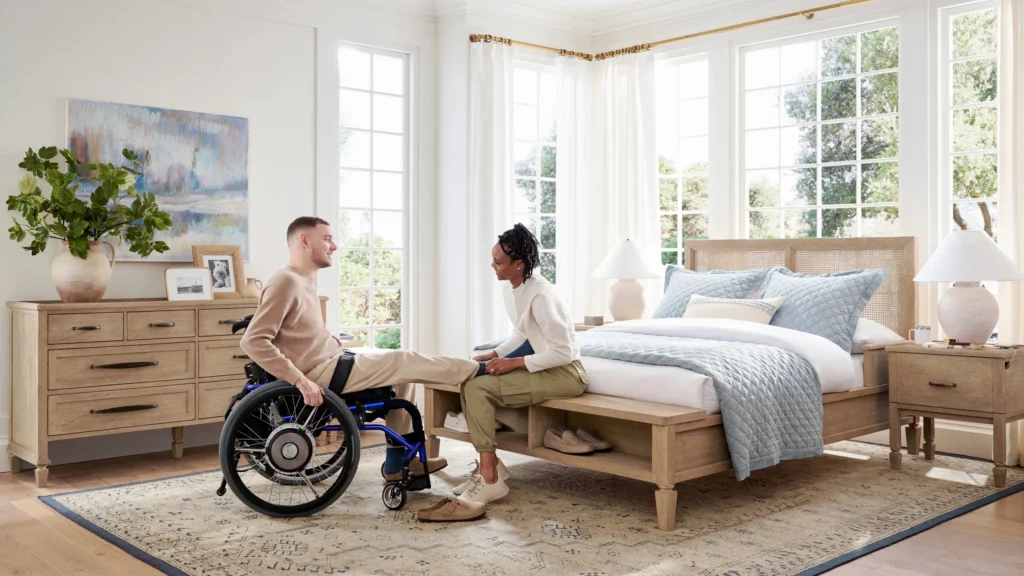
Making a bedroom accessible means ensuring easy movement, safety, and comfort for disabled adults. Key steps include widening doorways for wheelchair access, lowering closet rods and shelves, and using adjustable beds. Clear floor space helps with navigation.

Grab bars near the bed and non-slip flooring improve safety. Furniture should be sturdy and easy to reach. Proper lighting is crucial to prevent accidents. Following ADA guidelines ensures the room meets basic accessibility needs.

Key Elements of a Disabled Bedroom Layout

A good layout focuses on easy movement and safety. Keep at least 36 inches of space around furniture for wheelchair access. Place beds and storage where they’re easy to reach. Use adjustable beds and lighting to fit different needs. Cut down on clutter to avoid tripping hazards.

Think about room orientation, too. Natural light and clear views help users feel calm. Use contrasting colors on walls and floors to guide visually impaired users around the room.

Wheelchair Bedroom Design

Wheelchair Accessible Bedroom Design

Designing a wheelchair-accessible bedroom involves thoughtful planning. Consider the following:

  1. Wider Doorways: Doors should be at least 32 inches wide to allow easy wheelchair access.
  2. Low Thresholds: Use threshold ramps or eliminate thresholds to ensure smooth transitions between rooms.
  3. Bed Height: To ensure safe transfers, the bed should be 20 to 23 inches high.
  4. Accessible Storage: Install lower shelves and drawers within reach of a seated person.
  5. Lighting Controls: Place light switches and controls at wheelchair height (approximately 48 inches).

Incorporate smart lighting systems that can be voice-activated or controlled via a smartphone app. This feature eliminates the need for physical adjustments, enhancing convenience and usability.

Wheelchair  Bedroom Dimensions

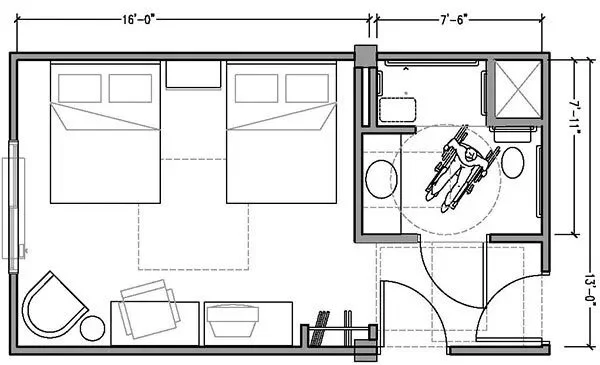
A wheelchair needs at least 60 inches of space to turn fully. Keep 36 inches of clearance around the bed for easy access. Use sliding closet doors and place rods no higher than 48 inches. Workspaces like desks should have at least 27 inches of knee clearance.

To save space, choose foldable furniture or wall-mounted desks. These fit small rooms without sacrificing function.

Choosing Wheelchair  Bedroom Furniture

Furniture selection plays a vital role in accessibility. Here’s what to prioritize:

  • Adjustable Beds: Electric or manual adjustable beds allow users to customize sleeping positions.
  • Ergonomic Chairs: Include supportive seating with armrests for added stability.
  • Customizable Storage: Use modular wardrobes with pull-down rods and adjustable shelves.

Opt for furniture with rounded edges to prevent injuries and ensure safety. Non-slip materials on seating and bed surfaces add another layer of security for users with limited mobility.

ADA Bedroom Requirements

ADA Bedroom Requirements

The Americans with Disabilities Act (ADA) outlines standards for accessible spaces. For bedrooms, these include:

  • Door Width: Minimum of 32 inches clear opening.
  • Maneuvering Clearance: 60 inches of clear floor space for wheelchair movement.
  • Reach Ranges: Switches and outlets should be within 15 to 48 inches from the floor.
  • Bathroom Access: En-suite bathrooms should have grab bars, roll-in showers, and accessible sinks.

Incorporating additional features, such as emergency call buttons near the bed, ensures compliance and promotes peace of mind for both users and caregivers.

Making a Handicap Room in a Hotel

Hotels must cater to diverse needs by providing accessible rooms. Features of a handicap-accessible hotel room include:

  • Roll-In Showers: Bathrooms equipped with grab bars and roll-in showers.
  • Accessible Beds: Beds at appropriate heights for safe transfers.
  • Visual and Auditory Aids: Alarm systems with both visual and auditory signals.
  • Ample Space: Sufficient clearance for wheelchairs around furniture and fixtures.

Many hotels also provide concierge services tailored to guests with disabilities, offering assistance with luggage, transportation, and local navigation.

Accessible Bedroom Amtrak

Amtrak’s accessible bedrooms offer inclusive travel experiences. Key features include:

  • Spacious Layouts: Rooms designed to accommodate wheelchairs.
  • Roll-In Showers: Private bathrooms with accessible shower facilities.
  • Transfer Seating: Movable seating for easy transfers.
  • Call Buttons: Emergency call buttons within reach.

Travelers can also request additional amenities, such as portable ramps or accessible meal services, ensuring a seamless journey.

What Makes a Room Handicap Accessible?

A handicap-accessible room incorporates design elements that cater to various physical needs. These features include:

  • Non-Slip Flooring: Prevents slips and falls.
  • Grab Bars: Provides support near beds and bathrooms.
  • Smart Home Technology: Voice-activated lights and climate controls for ease of use.
  • Lowered Fixtures: Sinks, countertops, and storage at wheelchair-accessible heights.

Including adjustable window coverings operated by remote control can further enhance usability, allowing occupants to manage lighting and privacy effortlessly.

Improving Accessibility for Individuals with Disabilities in Buildings

Accessibility extends beyond individual rooms. To make entire buildings more inclusive, consider:

  • Elevators: Install elevators with wide doors and low buttons.
  • Ramps: Provide ramps with non-slip surfaces at entrances and exits.
  • Signage: Use braille and large-print signs for navigation.
  • Emergency Systems: Include accessible fire alarms and evacuation plans.

Establishing accessible parking spaces close to building entrances ensures ease of access for visitors and residents alike.

Tips for Designing an Accessible Bedroom

  1. Leave at least 36 inches of clear floor space for easy wheelchair movement.

  2. Choose a bed at transfer height (typically 20–23 inches from floor to top of mattress).

  3. Use non-slip flooring like vinyl, rubber, or textured laminate to reduce fall risk.

  4. Install grab bars near the bed and doorway for extra support.

  5. Add lighting that’s easy to control — consider touch lamps or motion sensors.

  6. Place storage between 15 and 48 inches high for easy access.

  7. Use lever-style door handles instead of knobs for easier grip.

  8. Integrate smart home features (like voice-controlled lights or blinds) for added convenience.

  9. Conclusion

Designing an accessible bedroom for disabled adults requires careful planning and attention to detail. From ensuring proper dimensions to selecting wheelchair-friendly furniture, every aspect of the room should promote independence and safety. 

By adhering to ADA requirements and incorporating user-specific features, you can create a space that meets the physical and emotional needs of its occupant. Whether at home, in a hotel, or on an Amtrak train, “how to make a bedroom accessible for disabled adults” is a question that underscores the importance of inclusive design. Understanding “how to make a bedroom accessible for disabled adults” helps foster environments that are both functional and empowering. 

With thoughtful planning and innovative solutions, these spaces can transform daily living into a seamless and supportive experience.

Buc-ee’s 2024 Christmas Nutcracker

0
Buc-ee's 2024 Christmas Nutcracker

Buc-ee’s 2024 Christmas Nutcracker: Holiday Decor Must-Have!

Introduction

The holiday season is all about joy, warmth, and festive decorations that bring homes to life. If you’re looking for a unique addition to your holiday decor or a perfect gift for a loved one, the Buc-ee’s 2024 Christmas Nutcracker Beaver is here to steal the show. This Nutcracker is 16 inches tall and shows Buc-ee’s beaver in holiday clothes. It’s super fun and perfect for Buc-ee’s fans or anyone who loves Christmas decorations!

Whether you’re decorating your home for Christmas, this Nutcracker adds a fun and festive touch. It’s not just a decoration—it’s a conversation starter and a symbol of holiday cheer. Plus, for Buc-ee’s fans, it’s a delightful way to show off their love for the brand during the most wonderful time of the year.

From its vibrant colors to its intricate details, the Buc-ee’s 2024 Christmas Nutcracker is designed to stand out. Whether gifting it to a friend or keeping it for yourself, this festive beaver will surely bring smiles all season long. Check out this guide on mastering interior decorating terminology for more tips on creating a cohesive holiday look. Ready to make your holidays extra special? Let’s dive into why this Nutcracker is the ultimate holiday must-have!

Why Buc-ee’s 2024 Christmas Nutcracker is a Must-Have

Buc-ee's 2024 Christmas Nutcracker Beaver styled on a mantel, under a tree, and as a table centerpiece for festive holiday decor.
Regarding holiday decor, Buc-ee’s 2024 Christmas Nutcracker Beaver is a unique and festive centrepiece. This 16-inch Nutcracker isn’t just a decoration—it’s a celebration of Buc-ee’s quirky charm and holiday spirit. Designed with vibrant colors and intricate details, it’s the perfect way to add a touch of fun to your home during the holidays.

For Buc-ee’s fans, this Nutcracker is more than just decor—it’s a collectable item that showcases their love for the brand. Its playful design, featuring the beloved beaver mascot in festive attire, makes it a standout piece for any holiday display. Whether placed by the fireplace, on a shelf, or under the Christmas tree, it’s sure to catch everyone’s eye.

But it’s not just about looks. The Buc-ee’s 2024 Christmas Nutcracker is also a great conversation starter. Imagine your guests admiring this unique piece and asking where to get one! It’s a great way to spread holiday cheer and share your love for Buc-ees with friends and family.

Once said by decorator Arvylen Queltan, “The right holiday decor can transform a space into a magical experience.” This Nutcracker does that, blending whimsy and tradition into one unforgettable piece. For more tips on creating a cohesive holiday look, check out this guide on creative staircase design ideas. It’s packed with tips to make your home festive from top to bottom—right down to the stair-nosing! Speaking of which, if you’re curious about the importance of stair nosing in home design, you can learn more here.

How It Fits Into Your Holiday Lifestyle

Family enjoying the holidays with Buc-ee's 2024 Christmas Nutcracker Beaver in a festive, decorated home.

The Buc-ee’s 2024 Christmas Nutcracker Beaver is more than just a decoration—it’s a fun way to make your holidays extra special! If you love celebrating Christmas with fabulous decorations, this Nutcracker is perfect. It’s a cute beaver dressed in holiday clothes, making your home festive and fun.

You can put this Nutcracker anywhere in your house. It looks great on the fireplace, under the Christmas tree, or even on the dining table. It’s like having a little piece of Buc-ee’s magic in your home during the holidays.

As said by Arvylen Queltan, “Holiday decorations should make your home feel happy and cozy.” This Nutcracker does precisely that! It’s playful, colorful, and full of holiday spirit. You can add small touches like holiday-themed stair nosing to make your home even more festive.

Look at this wooden home decor guide for more fun ideas on decorating your home for the holidays. It’s full of nifty tips to make your home look fabulous!

Styling Tips for Your Home

Buc-ee's 2024 Christmas Nutcracker Beaver wrapped as a festive holiday gift with a Christmas tree in the background.

The Buc-ee’s 2024 Christmas Nutcracker Beaver is fun to style in your home! Here are some easy ideas to make it look great:

  • On the Mantel: Place the Nutcracker on your fireplace mantel. To make it stand out, add fairy lights or tiny Christmas trees around it.

  • Under the Tree: You can put it under your Christmas tree as a unique decoration. It’ll look cute next to your presents!

  • On the Table: Use it as a centerpiece for your dining table. Add some candles or holiday-themed plates to complete the look.

  • On a Shelf: Display it on a shelf with other Buc-ee’s items or holiday decorations. It’ll add a festive touch to any room.

No matter where you put it, this Nutcracker will make your home feel extra festive and fun!

Why It’s a Great Gift Idea

The Buc-ee’s 2024 Christmas Nutcracker Beaver isn’t just a decoration—it’s also an excellent gift! Here’s why:

  • Unique and Fun: It’s not your average holiday gift. The Nutcracker is cute, colorful, and full of personality.

  • Perfect for Buc-ee’s Fans: If you know someone who loves Buc-ee’s, they’ll be thrilled to get this as a gift.

  • Great for Collectors: It’s a unique holiday item that people will love to collect and display every year.

  • Fits Any Age: Kids and adults will love this festive beaver nutcracker.

Whether for a friend, family member, or even yourself, this Nutcracker is a gift that brings holiday cheer!

Where to Buy and Pricing

If you’re excited to get the Buc-ee’s 2024 Christmas Nutcracker Beaver, here’s what you need to know:

  • Where to Buy: This Nutcracker can be found at Buc-ee’s stores or on its official website. It might also be available at some online retailers.

  • Pricing: The Nutcracker is usually priced between 30 and 50 dollars, depending on where you buy it. It’s a great deal for such a fun and festive decoration!

Make sure to grab one soon—holiday items like this often sell out fast!

FAQs

1. What is a Nutcracker Christmas? A nutcracker Christmas is a holiday tradition where nutcracker figurines are used as decorations. They’re often shaped like soldiers, animals, or characters, adding a festive touch to homes during the holidays.

2. Is Buc-ee’s open on Christmas Day near me? Most Buc-ee’s locations are open 24/7, but checking your local store’s hours for Christmas Day is always a good idea.

3. What is the purpose of a nutcracker? Nutcrackers were initially used to crack nuts, but today, they’re mainly used as holiday decorations to bring festive cheer to homes.

4. What has the Nutcracker soldier got to do with Christmas? Nutcracker soldiers became popular Christmas decorations thanks to the famous ballet The Nutcracker. They symbolize holiday magic and tradition.

Conclusion

The Buc-ee’s 2024 Christmas Nutcracker Beaver is the perfect way to add holiday fun to your home or gift it to someone special. With its cute design and festive vibe, it’s sure to bring smiles all season long.

Whether decorating your home, starting a holiday collection, or looking for a unique gift, this Nutcracker covers everything. Don’t wait too long—grab one before they’re gone and make your holidays extra special!

Dresser with Mirror: 5 Luxury Ideas

0
Dresser with Mirror

Top Dressing Table Mirror Ideas and Styling Tips for Modern Homes

A dressing table helps you keep everything in one place. It’s where you store your daily grooming items and check your look before heading out. With the right mirror, it becomes a space that’s both practical and personal.

Many modern bedrooms use dressing tables not just for function but also to improve how the room looks and feels. Whether you need extra storage or a small corner to get ready, the right combination of table and mirror can make your routine easier and your space more useful.

Why Choose a Dresser with a Mirror?

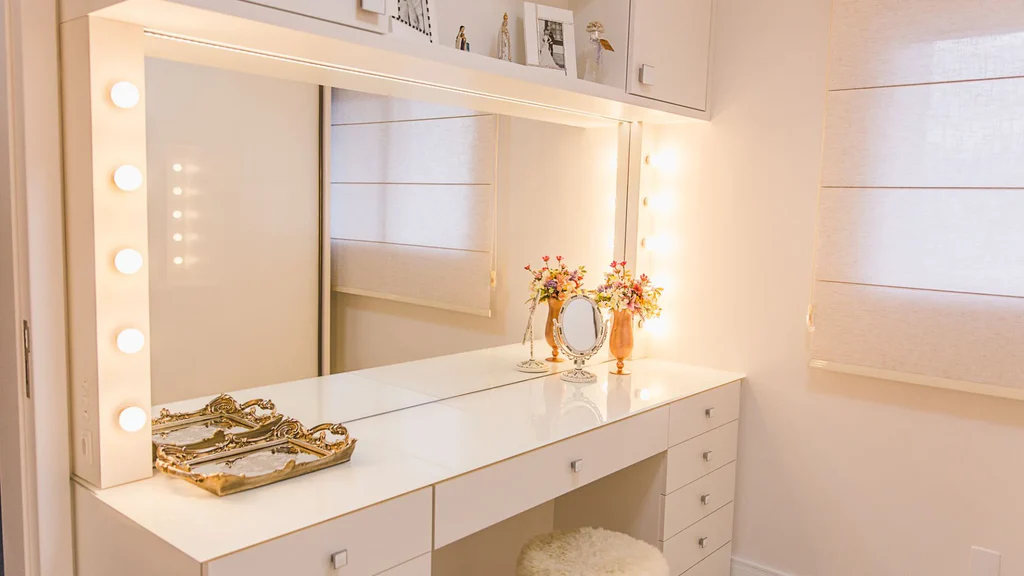
dresser with mirror and lights

A dresser with mirror is a must-have for any bedroom, and here’s why. First, it’s a space-saving solution that combines storage and functionality. Instead of having a separate dresser and mirror, this two-in-one piece keeps your room organized and clutter-free.

Second, a bedroom dresser with a mirror adds elegance to your space. Whether a sleek black dresser with a mirror or a charming vintage dresser with a mirror, it instantly enhances the room’s aesthetic. Plus, the mirror reflects light, making your bedroom feel brighter and more spacious.

Finally, it’s incredibly versatile. You can use it as a vanity for getting ready, a storage unit for your clothes, or even a decorative focal point. No matter your style or needs, a dresser with a mirror is a practical and stylish addition to your bedroom.

Popular Modern Dressing Table Styles

Dresser with Mirror

Modern dressing tables come in many styles. Each one suits a different type of room, routine, and personal taste. Some focus on saving space. Others focus on storage or design. Here’s a look at the most popular options found in today’s homes.

Minimalist Designs: Clean and Clear

Modern dressing tables come in styles suited for all bedroom sizes, storage needs, and design themes. Options range from compact wall-mounted units to freestanding vanities with drawers and dual-purpose tables that double as desks.

These designs offer clear functions, from saving floor space to providing extra storage and wider mirrors. Materials like wood, metal, and glass complement both modern and classic interiors. Whether setting up a small grooming corner or furnishing a larger bedroom, there’s a dressing table style to fit your space and daily routine.

Scandinavian Style: Light and Warm

Scandinavian dressing table designs feature natural wood, gentle curves, and light color tones. They focus on practicality with open shelves or slim drawers for easy storage. These tables blend well with neutral or pastel walls and warm, diffused lighting. The style creates a calm, inviting bedroom atmosphere perfect for minimalist and modern interiors.

Industrial Look: Raw and Bold

Industrial dressing tables combine wood and metal elements for a rugged style. Features often include exposed screws or pipes and frames in black or dark grey. Surfaces usually feature dark wood or matte black finishes. This style adds a strong, solid presence to any bedroom, perfect for those who prefer a bold, urban look.

Luxurious Vanities: Classic and Plush

Luxurious vanities offer elegant designs with plush materials like velvet and marble. They often include gold or brass accents and large mirrors. These vanities provide ample storage with multiple drawers. Ideal for bedrooms that blend classic charm with modern comfort, they create a sophisticated grooming space.

Luxury Designs: Plush and Detailed

Luxury dressing tables have rich finishes like glossy wood, velvet, or metal accents. They often come with large mirrors and padded stools. Drawers have handles in gold or brass. This type adds a bold look to the room without being over the top.

Floating Dressing Tables: Floor-Free Look

Floating dressing tables mount directly on the wall. They keep the floor clear and make the room feel bigger. Most include one or two drawers and a small top surface. Some models add a shelf under the mirror. They work well in tight spaces.

Mid-Century Modern: Retro with Purpose

This style uses wood tones like walnut or teak and often includes tapered legs and simple brass knobs. It balances function with charm. Mid-century dressing tables often include a built-in mirror and wide drawers. The look feels familiar but still fits with modern rooms.

Multi-Functional Tables: More Than Makeup

These tables serve two jobs. During the day, they act as desks. At night, they become makeup stations. Some include a hidden mirror or fold-out top. Others offer deep drawers for both work and grooming tools.

Bohemian Style: Relaxed and Textured

Boho-style tables often use rattan, wicker, or carved wood. No two are the same. Many have mismatched knobs, open shelves, or colorful paint. They look best with plants, rugs, or vintage finds around them.

Custom-Built Dressing Tables: Fit Your Needs

Custom tables are built based on your room size, storage needs, and style. You can choose every detail—wood type, drawers, mirror shape, and height. This is useful when standard sizes don’t fit or when you want a long-term solution.

Top Dressing Table Mirror Ideas

How to Choose the Perfect Dresser with Mirror for Your Bedroom

 Top dressing table mirror ideas can transform your grooming space into a stylish and functional area. From classic frames to smart technology, the right mirror enhances both light and usability. Choosing the right mirror style helps you create a personalized and efficient routine.

classic vanity mirror with lights

Classic vanity mirrors with lights have pretty, detailed frames and built-in lighting. They add a vintage feel to your room while providing good lighting for makeup and grooming. These mirrors look nice and work well, making them great for classic or traditional bedrooms.

Double-Sided Swivel Mirrors: Practical Grooming

Double-sided swivel mirrors provide two views: a standard mirror and a magnified one. This makes tasks like applying makeup or shaving easier. The mirror can be turned and adjusted for the best angle, making it very practical for daily use.

Frameless Wall-Mounted Mirrors: Minimal and Spacious

Frameless mirrors create a clean, open look without visual clutter. Mounted directly on the wall, they reflect more light and make small rooms feel larger. Their simple design fits well with modern and minimalist interiors.

Frameless Mirror Mounting Clips

Frameless mirror mounting clips are small metal or plastic brackets that securely hold the mirror on the wall without needing a frame. They keep the mirror stable and add to the minimal look by staying mostly hidden. These clips make installation easier and support the sleek design of frameless mirrors.

How to Style Floating Shelf Mirrors

Keep the shelf clear by placing only a few essentials, like a small plant or a candle. Use trays or containers to organize makeup or jewelry. Pair with soft lighting to create a cozy, inviting corner. Choose decor that matches your room’s color and style for a clean, balanced look.

Mirrored Furniture: Glamour and Room Depth

Mirrored furniture pieces, like dressing tables or wardrobes, reflect light and add depth. They bring a glamorous feel without overwhelming the room. These pieces help open up the space visually.

Styling Tips for Your Bedroom Dresser with Mirror

black dresser with mirror

Choose a mirror that fits the dresser’s size and style

  • Center the mirror above the dresser with a horizontal or vertical layout based on the dresser’s shape

  • Arrange items of different heights and textures, like lamps, vases, or small plants, for balance

  • Keep the surface tidy by limiting clutter and grouping smaller items on trays

  • Add lighting such as a table lamp or LED strips around the mirror to brighten and warm the area

how to style a dressing table with mirror

  • Use the mirror as the central focus of your dressing table

  • Create balance by arranging decorative objects of different heights and textures on either side

  • Ensure ample lighting with a table lamp or LED strips around the mirror

  • Organize essentials in trays, boxes, or drawers to keep the surface tidy

  • Add personal decorative accents like small plants or photos to soften the look

  • Maintain open space to avoid clutter and highlight key pieces

    FAQs About Dresser with Mirror

    Here are some common questions about dressers with mirrors to help you make the best choice for your bedroom:

    What is the best size for a bedroom dresser with a mirror?

    The best size depends on your room’s dimensions. A small dresser with mirrors works well in compact spaces, while a tall one with mirrors is ideal for larger rooms. Always measure your space before buying.

    Can I add a mirror to my existing dresser?

    Yes! You can buy a standalone mirror for dresser and attach it securely. Make sure the mirror’s style matches your dresser, whether a white dresser with a mirror or a vintage oak dresser with a mirror.

    How do I clean and maintain a dresser with a mirror?

    Use a microfiber cloth for the mirror and wood-safe cleaners for the dresser. Avoid harsh chemicals to prevent damage, especially on delicate finishes like an antique dresser a with mirror.

    Are dressers with mirrors suitable for small bedrooms?

    Absolutely! A dresser with a mirror for small spaces can save room and make the area feel larger. Look for vertical designs or dressers with mirrors and shelves for added functionality.

    What styles of dressers with mirrors are trending in 2023?

    Modern minimalist, vintage, and antique styles are popular. Mirrors with LED lights, like a dresser with mirrors and lights, are also a growing trend.

    Conclusion

    A dresser with a mirror is more than just a piece of furniture—it’s a functional and stylish addition to any bedroom. Whether you prefer the timeless elegance of a white dresser with a mirror, the classic charm of an antique dresser with a mirror, or the sleek sophistication of a black dresser with a mirror, there’s a design to suit every taste and space.

    Following this article’s tips and ideas, you can transform your bedroom into a luxurious retreat. Remember to measure your space, match your style, and choose a design that fits your needs.

    For more inspiration on home decor and design, check out this guide on creative staircase design ideas (external link).

    And don’t forget to explore these helpful articles from Redfinz:

Luxury Sofa Set Leatherette

0
Sofa Set Leatherette

Sofa Set Leatherette: Pet-Proof Luxury for Modern Homes

Pets can turn sofas into battle zones. Claws leave scratches, fur sticks everywhere, and stains happen when you least expect. If you’ve tried regular sofas, you know the struggle: quick wear and constant cleaning.

That’s where leatherette sofas come in. They’re tough enough to handle pets, easy to clean, and still look good. If you want a sofa that stands up to your furry family without losing style or comfort, this guide’s for you.

Why Sofa Set Leatherette is Perfect for Pet Owners

Sofa Set Leatherette

Living with furry friends no longer means compromising on stylish furniture. Leatherette sofa sets provide the perfect solution for pet owners who want elegance and practicality. 

Unlike traditional upholstery, these synthetic alternatives deliver exceptional performance in pet-filled households.

Why do pets damage sofas?

Pets damage sofas because their claws scratch the surface, fur sticks to fabric, and accidents cause stains. Pets are part of the family, but their natural behavior wears down regular sofas fast. 

Fabric sofas trap fur and absorb spills, making stains hard to remove. Claws easily tear soft materials, leaving permanent marks. Even couches made with sturdy fabric can start looking worn and dirty quickly when you live with pets.

The problem isn’t just aesthetics. A damaged sofa loses comfort and value over time. For pet owners, this means replacing furniture more often — which gets expensive and frustrating.

How can leatherette sofas solve these issues?

Leatherette sofas offer a smart solution for pet owners because they resist scratches, repel stains, and are easy to clean. The synthetic surface holds up better against claws than fabric or real leather.

It’s smooth and non-porous, so pet fur doesn’t stick and spills wipe away easily. Unlike cloth sofas, leatherette doesn’t trap pet odors, keeping your living room fresh.

This material combines durability with style at a reasonable price. For families with pets, leatherette sofas provide comfort and long-lasting protection without sacrificing look or feel.

What Makes a Sofa Pet Proof?

A pet-proof sofa uses tough materials like leatherette that resist scratches and stains. It has tight seams to stop claws from tearing the fabric. A strong frame keeps the sofa sturdy when pets jump or climb.

Raised legs make cleaning easier and protect the sofa’s base. Waterproof coatings help prevent damage from spills. These features keep the sofa durable and easy to maintain in pet homes.

What Sofa Features Resist Pet Damage?

Sofas with tightly woven fabrics like microfiber, canvas, or denim hold up well against pets. These materials are strong, shed less hair, and are easy to clean. Leather and leather-like materials are durable and simple to wipe but may show scratches from claws. Look for sofas with firm cushions that maintain their shape over time. Above all, pick sofas that clean easily and offer comfort for both you and your pet.

How Do Regular Sofas Fall Short?

Regular sofas, especially those with fabric upholstery, tend to trap pet fur and stains easily. The fibers hold onto hair, making cleaning difficult. Spills and accidents soak into the fabric, causing stubborn stains and odors. Over time, this wear makes the sofa look dirty and worn out faster than sofas made with pet-friendly materials.

According to interior design expert Sarah Jenkins, “Fabric sofas are a challenge for pet owners because fur and stains embed deeply. Without durable materials and tight weaves, sofas won’t stand the test of active pets.”

Leatherette vs Leather: Making the Right Choice for Pet Homes

Leatherette vs Leather

Leatherette is better for pet homes because it resists scratches and stains more than real leather. It cleans easily and doesn’t absorb pet odors.

Real leather looks premium but scratches easily and is harder to maintain with pets. It also traps oils and smells over time.

For durability, easy cleaning, and pet-friendly use, leatherette is usually the smarter choice.

Why Is Leatherette a Top Pick for Pet Owners?

Leatherette stands out for pet owners because it resists scratches, cleans easily, and doesn’t trap odors. Its smooth surface makes wiping off fur, spills, and stains quick and simple. Unlike fabric, leatherette won’t absorb pet smells or hold onto hair. It also tends to be more affordable than real leather while offering similar style and comfort.

What Makes Cleaning Leatherette Easier?

Leatherette has a smooth surface that wipes clean in seconds. It doesn’t absorb stains or odors, so spills don’t leave marks or smells behind. This makes it simple to keep fresh, even with pets around.

How Does Leatherette Look and Feel?

Leatherette looks like real leather but costs less. It’s available in many colors and styles, so you can find one that fits your home. The texture feels soft and comfortable, making it a practical yet stylish choice for pet owners.

Luxury Features of Modern Leatherette Sofa Sets

Comfort innovations for both humans and pets

Modern leatherette sofa sets often include features like stain-resistant coatings, sturdy frames, and comfortable high-density cushions. They come with stylish designs and a variety of colors to fit any decor. These sofas offer durability and easy maintenance, perfect for pet owners.

Comfort innovations for both humans and pets

Comfort innovations in leatherette sofas include soft, supportive cushions that hold their shape and provide lasting comfort. Many designs offer extra padding or ergonomic support for both people and pets. Breathable materials and pet-friendly textures make relaxing together easy and cozy.

How to Choose the Perfect Pet-Friendly Leatherette Sofa

Best configurations for homes with pets


Selecting the proper sofa set leatherette requires careful attention to detail yet pays dividends when sharing your home with furry companions. Finding the perfect pet-friendly piece means evaluating several crucial factors to ensure years of enjoyment for everyone.

Assessing quality and construction

Quality construction becomes your first defense against wear and tear when shopping for pet-friendly leatherette sofas. Look for solid wood frames that provide stability and support for active pets. Beyond the frame, examine the cushion resilience—high-quality cushions should bounce back to their original shape even after your pets’ repeated use.

Please pay particular attention to the leatherette material itself. Top-grade options feature consistent coloring throughout, minimizing the visibility of any potential scratches. This crucial detail means that if scratches occur, they won’t reveal dramatically different colors underneath.

Furthermore, seek out protected or heavily protected leatherette rather than lightly protected varieties, as these offer superior resistance against pet damage. For ultimate durability, performance fabrics with a rub count above 30,000 provide excellent resilience against pets.

Color selection strategies for hiding pet hair

Choosing the right color proves just as important as construction quality. Selecting colors matching your pet’s fur helps minimize visible shedding between cleanings. Lighter leatherette minimizes visible hair for homes with light-colored pets, while darker pets pair better with deeper tones.

Consider these practical suggestions:

      • Neutral colors (beige, gray, taupe) effectively conceal various pet hair types

      • Mid-tone blues and greens surprisingly hide pet-related messes

      • Patterned or textured leatherette camouflages both stains and fur

    Darker colors typically hide stains better, though they may show light-colored pet hair more prominently. Balance your color choice based on your specific pet’s characteristics.

    Best configurations for homes with pets

    Finally, the physical arrangement of your sofa set leatherette can significantly impact its pet-friendliness. Modular designs offer flexibility for households with pets, allowing configuration changes as needed. Simultaneously, sectional options provide ample space for humans and pets to coexist comfortably.

    Opt for models with removable cushions, which dramatically simplify cleaning after inevitable pet incidents. If you’re remodeling a small bathroom while upgrading your living space, apply the same pet-friendly principles to both projects – prioritizing durable materials and easy-clean surfaces. Sofa sets with reinforced corners and double-stitched seams withstand enthusiastic pets jumping on and off furniture. Additionally, models with higher legs create cleaning access underneath—valuable for reaching shed fur that collects below your sofa.

    Above all, test any leatherette before purchasing by gently scratching with your fingernail to evaluate its resilience. This simple test reveals how the material will perform in your pet-filled home.

    Conclusion

    Leatherette sofa sets are an excellent choice for pet owners seeking style without compromising practicality. These pieces now rival genuine leather in appearance through advanced manufacturing techniques while offering superior resistance to pet-related wear and tear.

    Thanks to leatherette’s scratch-resistant surface and easy-clean properties, your furry friends can enjoy their favorite spots without causing lasting damage. Modern luxury features like premium textures and innovative comfort technologies also ensure you and your pets experience maximum comfort.

    The brilliant color selection and quality construction make leatherette furniture a lasting investment for your home. While genuine leather certainly holds its appeal, leatherette provides comparable benefits at a fraction of the cost, especially when pets are part of your household.

    Remember to examine construction quality, evaluate color options based on your pet’s characteristics, and choose configurations that suit your living space. These considerations help ensure your leatherette sofa set remains beautiful and functional for years, regardless of how many paws call it home.

    FAQs

    Is leatherette furniture suitable for homes with pets? 

    Yes, leatherette furniture is an excellent choice for pet owners. It offers a scratch-resistant surface, easy cleanup for accidents and pet hair, and durability against daily pet use. The non-porous surface repels fur and resists stains, making it ideal for households with furry companions.

    How does leatherette compare to genuine leather in terms of cost and maintenance? Leatherette is typically 3 to 10 times less expensive than genuine leather, making it more budget-friendly. It also requires less maintenance, needing only simple cleaning with mild soap and water. While more expensive, leather can last longer with proper care but requires regular conditioning treatments.

    What luxury features do modern leatherette sofas offer? 

    Modern leatherette sofas have premium textures and finishes that mimic genuine leather, designer styles and configurations, and comfort innovations. They often feature high-density foam padding, breathable panels, and customization options like built-in storage or reclining mechanisms.

    How can I choose the best color for a pet-friendly leatherette sofa? 

    Choose colors that match your pet’s fur to minimize visible shedding. Neutral colors like beige, gray, or taupe work well for pet hair types. Mid-tone blues and greens can hide pet-related messes, while patterned or textured leatherette can camouflage stains and fur.

    What should I look for when buying a pet-friendly leatherette sofa? 

    Look for solid wood frames, high-quality cushions that retain their shape, and heavily protected leatherette material. Opt for models with removable cushions for easy cleaning, reinforced corners, and double-stitched seams. Consider sofas with higher legs for easier cleaning underneath, and always test the leatherette’s scratch resistance before purchasing.