

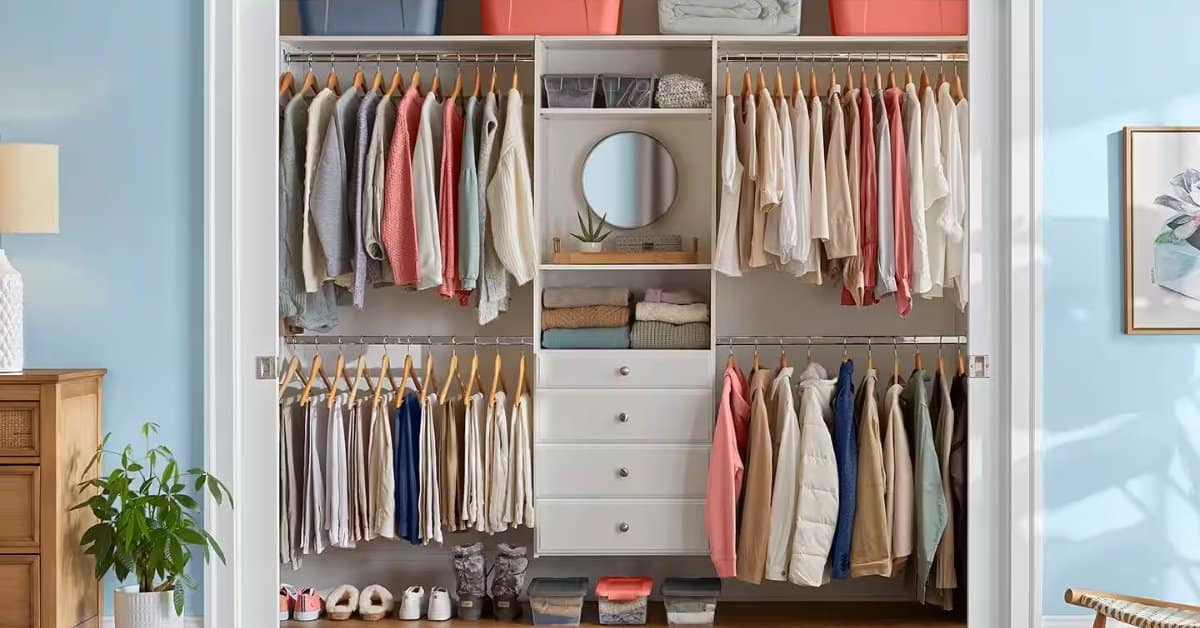
Did you know the diy closet organizer industry reached a staggering $7.93 billion in 2023 and is projected to grow to $15.85 billion by 2032?
This remarkable growth isn’t surprising when you consider how a well-designed closet system can significantly increase your home’s value. A closet organizer system is essentially a combination of rods, shelves, drawers, shoe racks, and other accessories built into your closet to maximize space and functionality.
When you invest time in creating an organized closet, you’re not just decluttering – you’re actually adding real value to your home. Furthermore, having proper closet organizers makes daily organization simple and saves you valuable time when getting ready since all your items are easier to find.
Whether you’re considering premade closet systems or planning to build closet shelves yourself, understanding what a closet system is and its components is the first step toward transforming your storage space. In this guide, we’ll explore everything from closet system components to DIY closet organizer plans that can help you take control of your home and your closet!
What Is a Closet Organizer System?
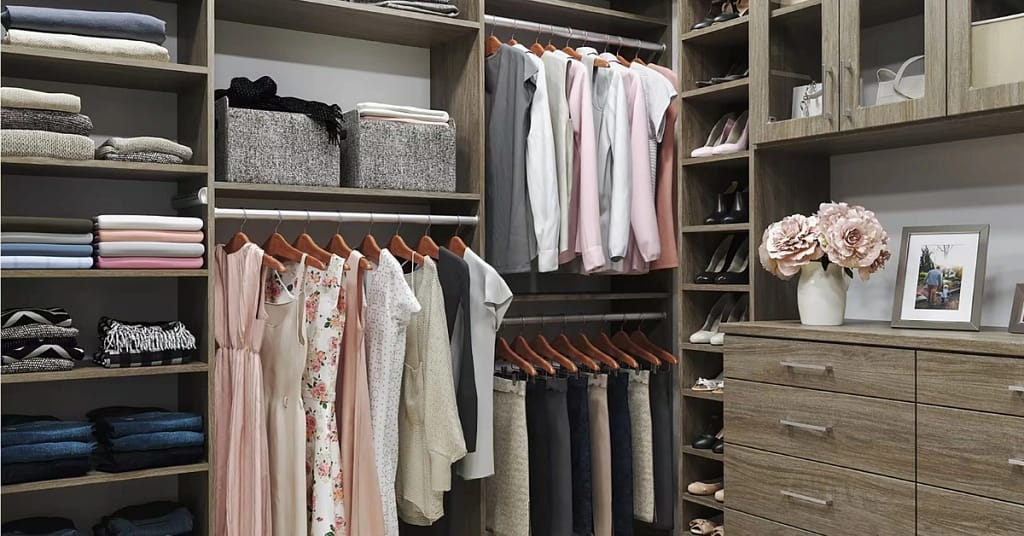
A closet organizer system serves as the backbone of effective storage within your living spaces. Unlike basic storage solutions, a well-designed closet system transforms cluttered areas into functional, accessible spaces where everything has its designated place.
Definition and purpose
A closet organizer system is a comprehensive storage solution that includes a combination of rods, shelves, drawers, shoe racks, and various accessories built into your closet. This integrated set of components works together to create an efficient system for storing and retrieving clothing, accessories, and household items.
The primary purpose of a closet organizer extends beyond mere storage—it’s about creating order and accessibility in your daily life. An effective system utilizes every inch of available space, ensuring that each item has its designated spot. Consequently, finding what you need becomes quick and straightforward, eliminating the frustration of digging through piles of clothing or searching for missing items.
Moreover, a proper closet system helps extend the lifespan of your garments by protecting them from unnecessary damage. Hanging clothes remain wrinkle-free, while dedicated drawers shield delicate items from being crushed or misshapen.
How it differs from regular shelving
Traditional closet setups typically feature what industry professionals call the “rod and shelf” configuration—a single shelf above a rod stretching from one end of the closet to another. Although this basic arrangement has been standard in many homes for decades, it represents an inefficient use of vertical space.
In contrast, closet organizer systems offer several distinct advantages:
- Customization: Unlike fixed shelving, closet systems can be tailored to accommodate specific storage needs, with components placed at optimal heights and configurations.
- Adaptability: Many modern systems feature adjustable components that can be reconfigured as your storage requirements change over time.
- Efficiency: By incorporating multiple hanging areas, varied shelf depths, and specialized storage solutions, closet systems maximize every available inch of space.
- Preservation: The materials and design of quality closet systems help prevent damage to clothing items—no more wire marks pressed into folded garments.
Additionally, closet systems create visual organization through uniformity. Rather than having everything exposed as with wire shelving, many systems incorporate drawers and doors that conceal contents, presenting a cleaner, more sophisticated appearance.
Common components in a closet system
The effectiveness of a diy closet organizer system stems from its thoughtfully designed components that work together to address various storage needs. Depending on your requirements, a comprehensive closet system might include:
- Hanging rods at different heights—typically with top rods at 84 inches for longer items and bottom rods at 42 inches for shorter garments
- Adjustable shelving for folded clothes and accessories
- Pull-out drawers for smaller items
- Specialized storage for shoes, belts, ties, and scarves
- Valet rods for outfit planning
- Hampers for laundry management
- Jewelry trays and drawer dividers
The arrangement of these components depends largely on what you need to store. For instance, if you have numerous purses and folded items, shelves and drawer space might be priorities in your closet design. Alternatively, if your wardrobe consists primarily of hanging clothes, you’ll want to incorporate more rod space at appropriate heights.
Ultimately, the beauty of a well-designed closet system lies in its ability to be personalized according to your specific needs. Whether you opt for a premade closet system or build your own diy closet shelving, the goal remains the same—creating an organized, efficient space that simplifies your daily routine.
Types of Closet Organizer Systems

Choosing the right type of closet organizer system depends on your space, budget, and storage needs. Each system offers distinct advantages based on how it’s constructed and installed.
Modular systems
Modular closet organizers offer flexibility through interchangeable components that work together to create a customized storage solution. These systems feature standardized parts that can be arranged in various configurations to fit your specific space. The primary benefit is adaptability—you can add, remove, or rearrange components as your storage needs evolve.
Most modular systems include a variety of elements such as:
- Adjustable shelving
- Hanging rods at different heights
- Drawers and cabinets
- Specialized storage accessories (shoe racks, tie racks, etc.)
Unlike built-in options, modular systems can move with you, making them ideal for renters or those who plan to relocate. They typically come in prefabricated sizes but can often be cut to your exact measurements with the right tools and skills.
Custom-built systems
For those seeking a perfect fit with premium finishes, custom-built closet systems offer a tailored approach. These systems are designed specifically for your space after a professional measures your closet and discusses your needs. The result is a solution that maximizes every inch while perfectly complementing your home’s esthetic.
Custom solutions typically include a consultation with a closet designer who creates personalized plans considering factors like corner accessibility, light fixtures, outlets, and other structural elements that might be overlooked in DIY designs. This expert guidance helps prevent design flaws that could occur when important structural details aren’t properly addressed.
The investment in custom systems generally includes professional installation and warranties, with prices ranging from around $1,000 for basic options to $5,000+ for high-end designs.
Freestanding and wall-mounted options
The installation method significantly impacts both functionality and esthetics of your closet system.
Wall-mounted systems are suspended from a steel rail fastened securely to wall studs, creating a floating appearance. These systems offer several distinct advantages:
- No need to remove existing baseboards or carpeting
- Easier floor cleaning underneath
- Minimal modifications to existing structures
- Visual appeal with a contemporary, floating look
Floor-based systems sit directly on the floor and are anchored to walls for stability. These systems provide:
- Greater weight capacity for heavier items
- Deeper shelving options (up to 24″ vs 14″ maximum in wall-mounted systems)
- A built-in furniture appearance
- Opportunity for decorative elements like crown molding and base trim
The choice between these options often depends on both practical considerations and style preferences. Floor-based systems require removing baseboards and sometimes carpet, plus they need special cutouts for outlets and vents.
Premade closet systems vs DIY closet systems
Premade closet organizers provide ready-to-install solutions with standardized dimensions. Popular options like IKEA’s PAX system (starting around $200) offer online planning tools and various components, making them accessible for budget-conscious homeowners. These systems typically require assembly but come with instructions and standardized parts.
Conversely, DIY closet systems allow for complete personalization but demand carpentry skills or professional help. Building from scratch lets you choose exact materials and dimensions but requires proper tools and mounting knowledge to ensure the system doesn’t pull away from the wall when loaded with heavy clothing.
The cost difference between custom and DIY isn’t always as significant as expected. While high-end custom systems can reach thousands of dollars, the added expense often includes design expertise, professional installation, and warranties that might outweigh the savings of the DIY route, especially for those without advanced home improvement skills.
Benefits of Using a Closet Organizer
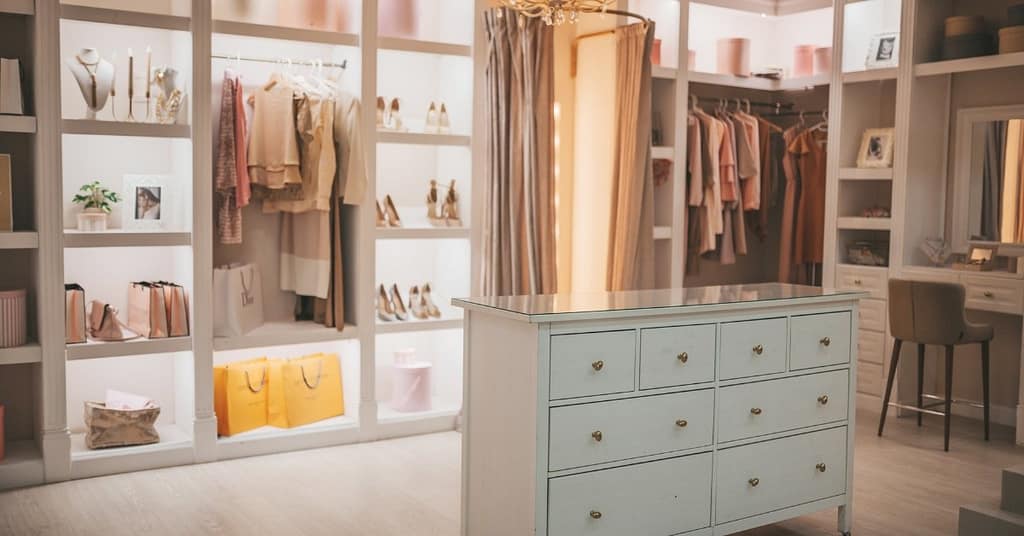
Beyond merely storing items, an organized closet transforms your daily routine and living environment. Installing a diy closet organizer offers numerous advantages that extend far beyond simple storage.
Improved organization and accessibility
A properly organized closet creates designated spots for everything you own, making it dramatically easier to find what you need when you need it. This strategic organization streamlines your morning routine, eliminating the frustration of digging through crowded drawers or tangled clothing. Indeed, well-designed closet systems allow you to locate and access your belongings quickly, kickstarting your day with positivity and efficiency.
The psychological benefits are equally important—a cluttered closet can lead to unnecessary stress, whereas an organized space contributes to mental clarity and a sense of calm in your home. Primarily, this organization helps you maintain order throughout your day-to-day life by making it simpler to put things away properly.
Better use of space
Closet organizer systems excel at maximizing every available inch—particularly vertical space that typically goes unused in standard closets. Through multi-tiered shelving, double hanging rods, and specialized storage solutions, a diy closet system can effectively triple your storage capacity.
Adjustable components allow you to customize heights and configurations based on your specific needs, eliminating wasted space and ensuring efficient storage for items of all shapes and sizes. Pull-out drawers, shoe racks, and specialized hooks transform awkward corners and tight spaces into functional storage areas that keep your belongings neatly arranged.
Increased home value
Custom closets have become increasingly desirable features for potential homebuyers. In competitive real estate markets, well-designed storage solutions can help your home stand out, potentially leading to quicker sales and higher offers. Custom closet installations typically offer a return on investment (ROI) of 50-60%, depending on materials and design.
Many buyers perceive custom closets as luxurious features that bring elegance to any home. Therefore, even budget-friendly closet upgrades can add a touch of sophistication that most traditional homes in the same price range lack.
Enhanced esthetics and design
A thoughtfully designed closet contributes significantly to your home’s visual appeal. Modern closet systems offer diverse style options—from sleek, contemporary designs to traditional, rustic looks—that complement your existing décor.
High-quality materials like solid wood or premium metal finishes further elevate the perceived value and visual impact of your storage spaces. Additional design elements such as glass-fronted cabinets, LED lighting, and decorative hardware transform utilitarian closets into stylish focal points that enhance your overall interior design.
Ultimately, a well-organized closet creates visual calmness through uniformity, with matching hangers, coordinated bins, and consistent spacing between elements—turning formerly chaotic spaces into showcases of order and intention.
DIY vs Professional Installation
Deciding between a DIY approach and professional installation for your closet system largely depends on your skills, budget, and specific needs. The right choice varies based on your situation and expectations.
When to consider DIY closet organizer systems
DIY closet projects make the most sense in several specific scenarios. Primarily, they’re ideal if you’re renting and need a solution that isn’t permanently anchored to walls. Likewise, DIY works well for those with tight budgets who still want to improve their storage situation. Many homeowners choose the DIY route because they enjoy the personal satisfaction of building something themselves—the pride in saying “I built that!” becomes part of the reward. Additionally, those with specific customization needs sometimes find that creating their own system allows for unique adaptations that premade systems don’t offer.
Tools and skills needed for DIY closet shelving
Successfully building closet shelves requires both proper tools and basic carpentry skills. Essential tools include:
- Measuring tape and level for accurate dimensions
- Drill and screws for assembly and mounting
- Circular saw or miter saw for cutting shelving materials
- Stud finder to locate wall supports
- Pocket hole jig for creating strong joints
Beyond tools, you’ll need skills like accurate measuring, straight cutting, and understanding wall structure for proper mounting. The ability to read and follow detailed plans is crucial, as is patience—DIY closet projects typically take 8-20+ hours depending on complexity and experience level.
Advantages of hiring professionals
Professional installation offers notable benefits, especially for complex closets. Expert designers optimize layouts based on experience with thousands of closets. In fact, they often identify storage solutions that DIYers might overlook. Professional work typically features higher quality materials and craftsmanship, subsequently resulting in systems that withstand heavy use without sagging or breaking. Furthermore, most professional installations include warranties and guarantees, offering peace of mind that DIY projects cannot provide. Above all, hiring professionals saves significant time—what might take a homeowner several weekends can be completed by professionals in a single day.
Cost and time comparison
The financial difference between DIY and professional installation varies considerably. Basic DIY wire shelving might cost $150-$400, whereas mid-range laminate systems run $500-$1,500, not including necessary tools. Professional custom closets typically start around $1,000 for basic designs and can exceed $5,000 for premium systems. However, the true cost comparison must consider time investment. While professional installation typically completes in hours, DIY projects often stretch across multiple weekends, especially for novices encountering unexpected challenges. Regardless of cost differences, both approaches have merits—DIY offers satisfaction and savings, while professional installation provides convenience, expertise, and often superior results.
Cost and Planning Considerations
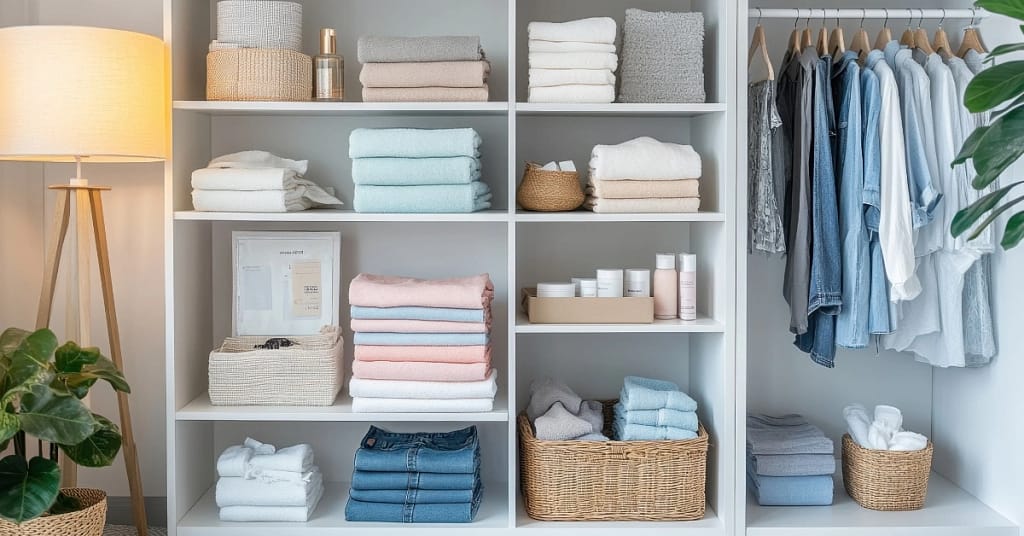
Planning a closet organizer requires careful consideration of costs and materials. Understanding these aspects helps you create an efficient storage solution while staying within budget.
How much does it cost to build a small closet?
The price for small closet organizers varies widely. Prefabricated systems for small reach-in closets typically cost between $500-$1,500, while DIY kits range from $200-$1,000. Meanwhile, custom solutions for small spaces start around $1,000.
Budgeting for materials and labor
Labor costs comprise a significant portion of professional installation, ranging from $200-$1,600. Carpenter rates typically run $40-$100 per hour. For DIY projects, anticipate spending $50-$100 plus on supplies, plus the cost of necessary tools.
Choosing between wood, laminate, and metal
Material selection dramatically impacts both esthetics and durability:
- Wire systems: Most affordable ($500-$1,500) but may catch on fabrics
- Melamine/laminate: Mid-range option ($1,000-$2,500) offering good durability and easy cleaning
- Solid wood: Premium choice ($2,000-$5,000) providing superior durability and classic appeal
Using closet system components efficiently
Selecting components based on storage needs maximizes functionality. Basic hanging rods ($10-$25) offer economical storage, whereas shelving ($15-$60 per shelf) works best for folded items. Consider splurging on key elements while economizing on less visible components.
Conclusion
Investing in a closet organizer system transforms more than just your storage space. Through careful planning and implementation, you can create a functional area that saves time, reduces stress, and potentially increases your home’s value. Whether you choose a modular system, custom-built solution, or decide to tackle a DIY closet shelving project, the benefits extend far beyond basic organization.
As you consider your options, remember that each type of system offers distinct advantages. Modular systems provide flexibility and adaptability, while custom-built options maximize every inch of available space. Similarly, wall-mounted designs create a modern floating appearance, whereas floor-based systems offer greater weight capacity and deeper storage options.
The decision between DIY and professional installation ultimately depends on your skills, budget, and time constraints. Although DIY projects cost less initially, professional installation provides expertise, warranties, and significantly reduces the time investment required.