Looking sun-kissed doesn’t always require sun exposure. In fact, the colors you wear play a powerful role in how warm, deep, and glowing your skin appears. By choosing clothing shades that reflect warmth or create visual contrast, you can instantly make your skin look more tan—without UV damage.
This guide explains which colors make you look tan, why they work, and how to use them confidently in everyday outfits, drawing on color science, skin undertones, and practical styling logic.
What Colors Make You Look Tan? (Quick Answer)
Colors that make you look tan are clothing shades that either reflect warmth onto the skin or create contrast that visually deepens skin tone. Bright whites, warm corals, turquoise, teal, gold, olive green, peach, and champagne tones enhance golden undertones, making skin appear warmer, healthier, and more sun-kissed without actual sun exposure.
Colors That Instantly Enhance a Tan-Like Glow
- Bright white
- Coral and peach tones
- Turquoise and aqua
- Teal
- Gold and champagne
- Bronze shades
- Olive green
These colors work across different skin tones when matched to the right undertones.
Why Clothing Colors Change How Tan You Look
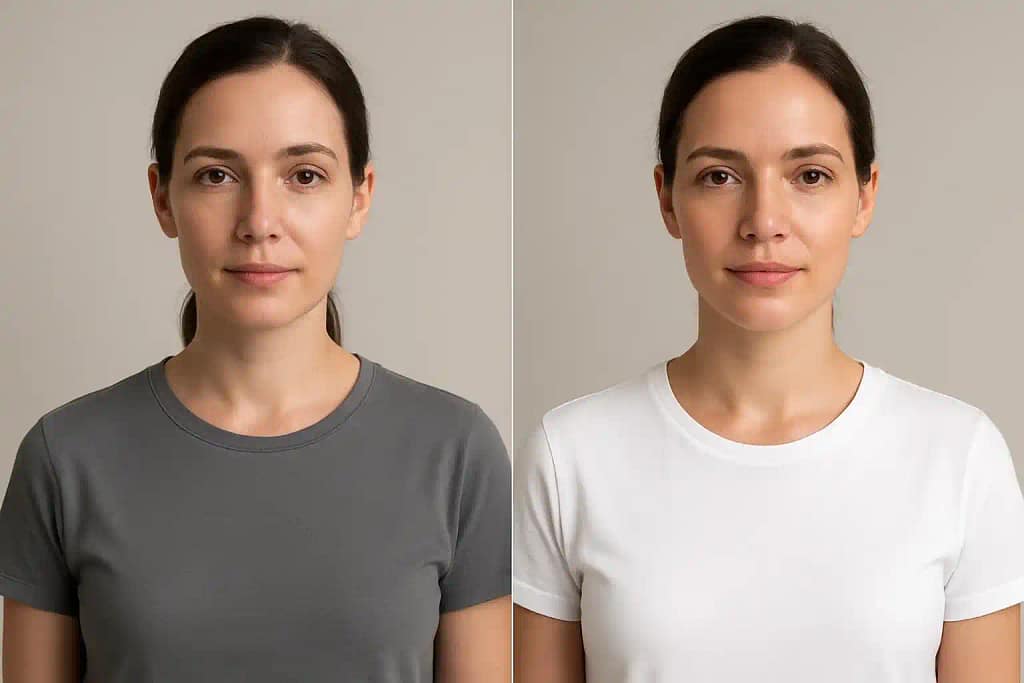
The way colors affect skin tone is based on light reflection and contrast.
- Light colors reflect light onto nearby surfaces, including your skin.
- Warm hues enhance golden undertones, making skin look healthier.
- Cool contrasting colors intensify warmth by visual opposition.
- Muted or flat colors absorb light, reducing glow.
Your skin doesn’t change color—your eye’s perception does.
Best Clothing Colors for a Tan-Enhancing Effect
| Clothing Color | Color Temperature | Best Skin Undertone | Why It Works |
| White | Neutral | All | Creates high contrast that deepens skin appearance |
| Coral | Warm | Warm, Neutral | Reflects warmth similar to sun tones |
| Turquoise | Cool | Warm, Olive | Cool contrast amplifies warmth |
| Gold | Warm | Warm | Highlights golden undertones |
| Olive Green | Warm | Olive, Warm | Reinforces natural warmth |
| Teal | Balanced | All | Adds richness without overpowering |
| Champagne | Warm Neutral | Warm, Neutral | Soft luminosity boosts glow |

Understanding Skin Undertones (Why They Matter)
Skin undertones are the natural hues beneath the surface of your skin that influence how colors appear on you. The main undertones are warm, cool, neutral, and olive.
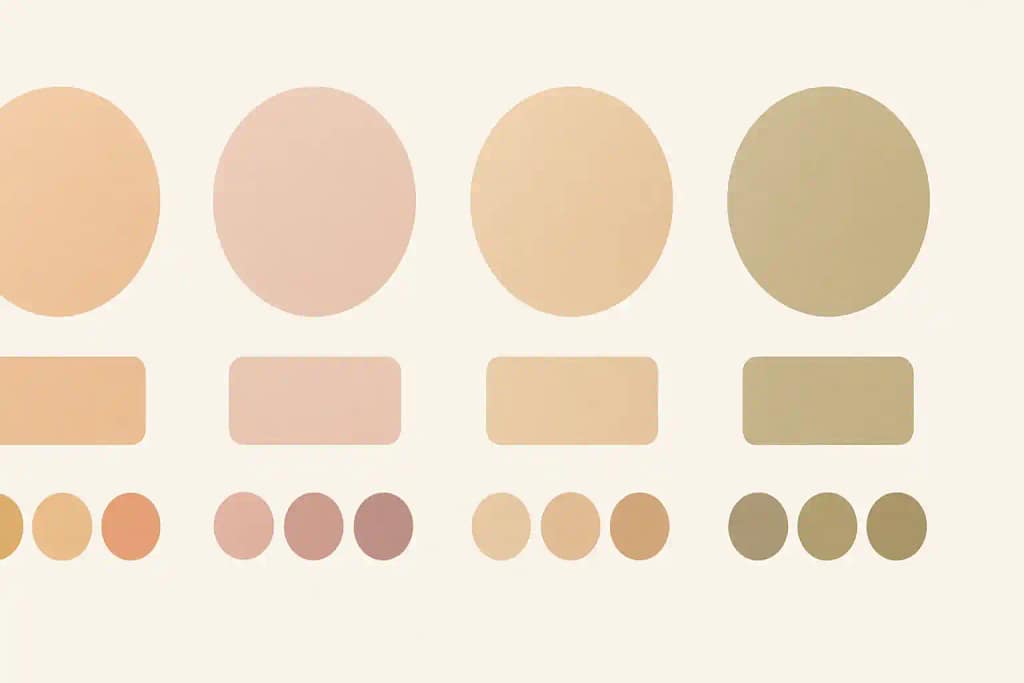
How to Identify Your Undertone
- Green-looking veins → warm undertone
- Blue or purple veins → cool undertone
- Both visible → neutral undertone
- Gold jewelry looks better → warm
- Silver jewelry looks better → cool
Undertone matters more than skin tone when choosing tan-enhancing colors.
Why These Colors Work (Color-by-Color Breakdown)

Coral & Peach
These shades mimic natural sun warmth. Their orange-pink base reflects light upward, enhancing golden tones and creating a healthy glow.
Bright White
White creates maximum contrast. When placed next to skin, it makes the skin appear deeper and more saturated.
Turquoise & Aqua
Cool blue-green tones intensify warmth through contrast. This makes warm or olive skin tones appear richer and more radiant.
Gold, Bronze & Champagne
Metallic warmth reflects light, increasing luminosity. These shades visually echo sun-bronzed skin tones.
Olive Green & Teal
Earthy balance supports natural undertones. These colors add depth without washing the skin out.
Colors That Can Make Skin Look Less Tan
Some shades reduce warmth by absorbing light or clashing with undertones.
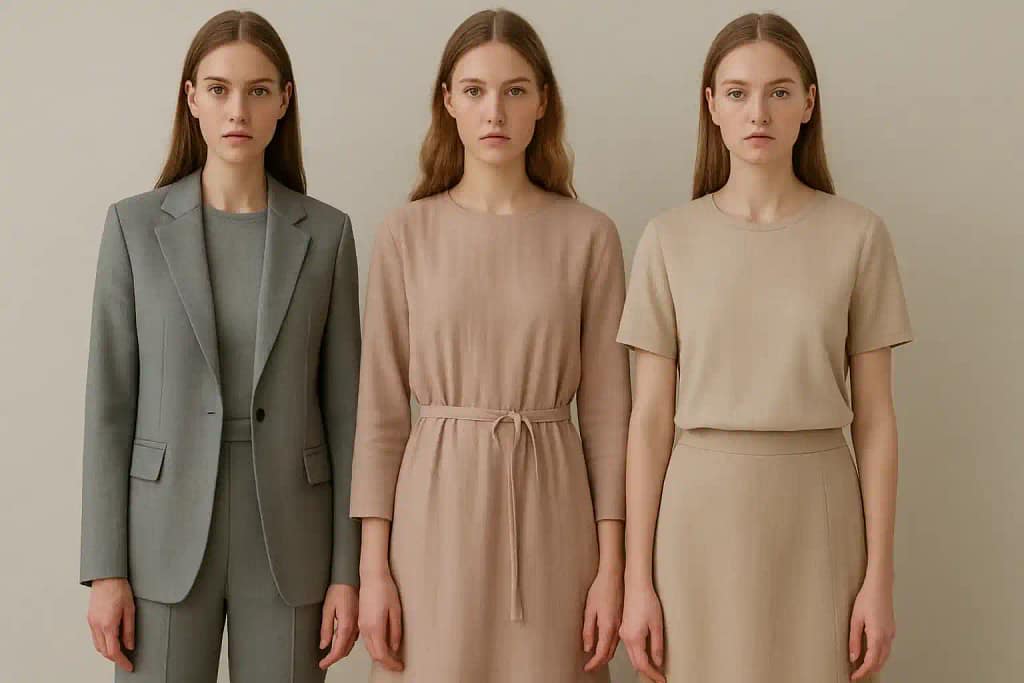
Colors That Can Dull a Glow
- Cool gray shades
- Dusty or muted pastels
- Flat beige tones close to skin color
- Extreme neon colors
These colors either reduce contrast or visually overpower natural skin warmth.
How to Choose the Right Colors for Your Skin
- Identify your undertone
- Choose warm or contrasting shades
- Test colors in natural daylight
- Adjust choices seasonally
- Observe how light reflects on your skin
Photos taken in daylight are often more accurate than those taken with mirrors.
How to Wear Tan-Enhancing Colors in Real Life

- Casual outfits: white tops, coral accents
- Office wear: teal, olive, champagne
- Evening looks: gold, bronze, deep teal
- Summer styling: turquoise, aqua, bright white
Placing these colors closer to your face increases their effect.
How Fabric and Texture Affect Your Glow
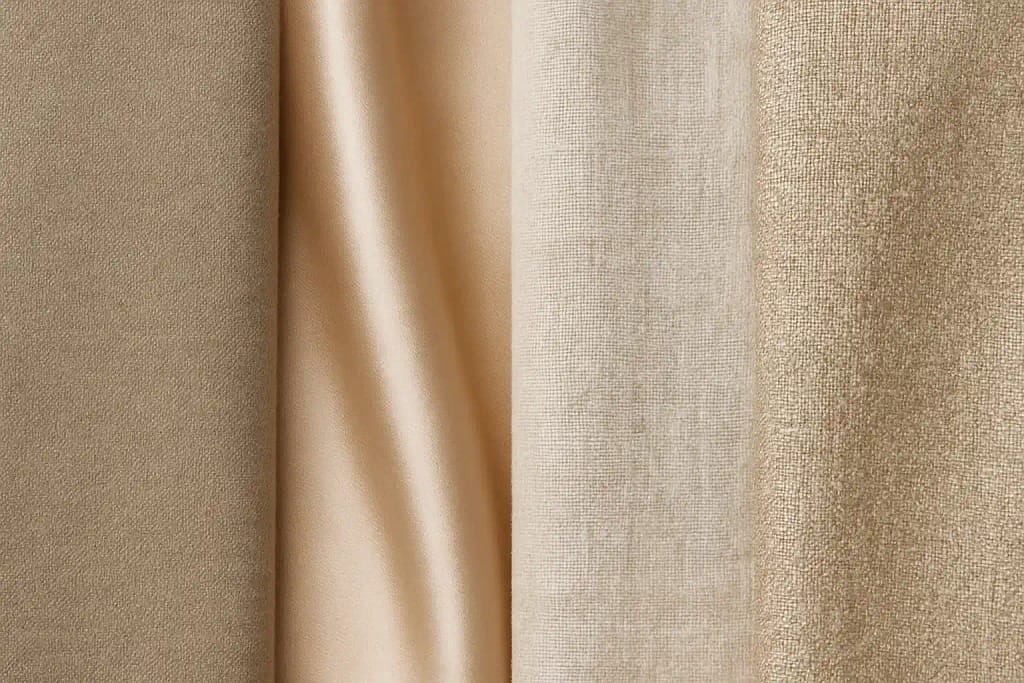
Fabric choice changes how light interacts with your skin.
- Lightweight fabrics reflect more light.
- Glossy finishes increase luminosity.
- Matte textures reduce reflection.
- Metallic fibers amplify warmth.
The same color can look very different depending on the fabric finish.
Best Colors by Season
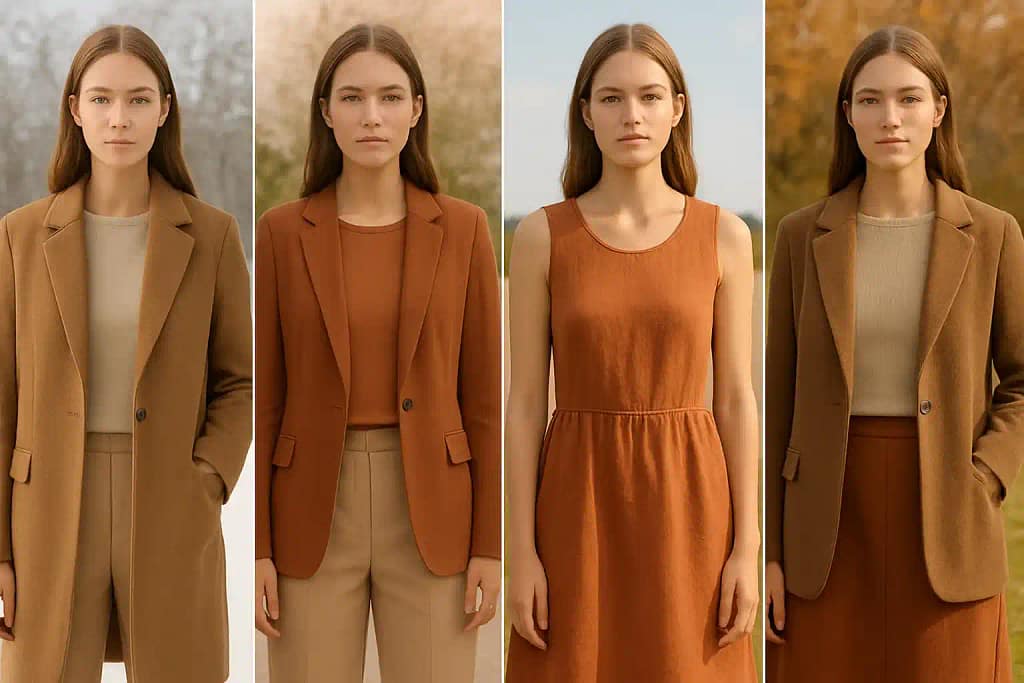
- Winter: bright white, teal, high contrast shades
- Spring: peach, coral, soft warm tones
- Summer: turquoise, aqua, reflective fabrics
- Fall: olive, bronze, champagne
Seasonal skin changes affect how colors perform.
Frequently Asked Questions
Do white clothes always make you look more tan?
In most cases, yes. White creates a strong contrast, making skin appear deeper and warmer.
Can black clothing make skin look darker?
Black increases contrast but absorbs light, which can reduce glow compared to white.
Do cool colors ever enhance a tan?
Yes. Cool blues and greens enhance warmth through contrast with warm skin tones.
Does fabric texture affect skin tone appearance?
Yes. Reflective fabrics enhance glow, while matte fabrics reduce it.
Final Takeaway
Color choice is one of the most effective ways to enhance skin warmth without tanning. By understanding undertones, contrast, and light reflection, you can create a consistent sun-kissed appearance using clothing alone. The right colors don’t just change how you dress—they change how your skin is perceived.